What are the reasons saline soil harms flowers?
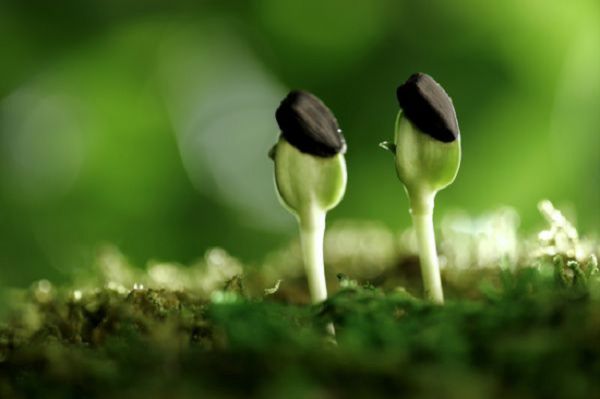
The salinity and alkalinity of soil refers to how much salt and alkali the soil contains. Saline soil refers to soil that contains large amounts of saline substances such as sodium chloride and sodium sulfate.
Excessive salt content in the soil causes physiological harm to flowers. The reasons are: when the salt concentration in the soil is too high, it hinders the root system from absorbing water and nutrients from the soil, causing flowers to die from physiological drought; saline soil often forms a white salt-alkali crust on the surface, which directly damages the tissue at the junction of the root and stem of seedlings, and in severe cases causes the seedlings to die; under the action of high concentrations of salts, the stomata of the leaves close, causing flowers to lose water and wither to death; when the soil salt concentration is too high, a large amount of salts accumulates in the flowers' bodies, affecting the flowers' metabolism and leading to the accumulation of nitrogen-containing intermediate products, which poisons the cells; due to the competition of sodium ions, flowers absorb too little potassium, phosphorus and other elements, affecting the normal nutrition of the flowers and causing poor growth.