What are the common symptoms of physiological diseases in flowers?
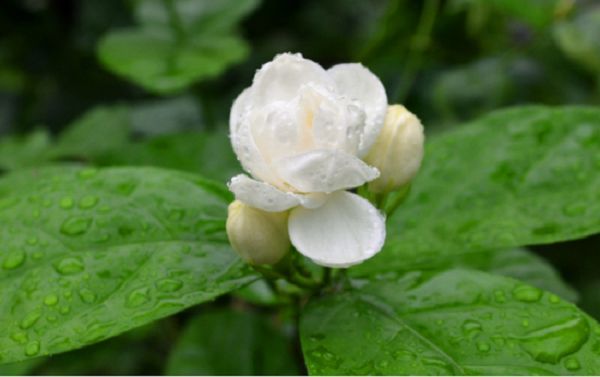
During the growth and development of flowers, diseases caused by unsuitable environmental conditions are called physiological diseases. Diseases caused by insufficient nutrients are mainly stunting and chlorosis. A lack of nitrogen in the plant cannot ensure its tall growth; soil that is too alkaline (in the north) or too acidic (in the south) causes the plant to become weak and the leaves to scorch; a lack of phosphorus, potassium and other trace elements can also cause flowers to become chlorotic and wilt. A lack of water during the growth and development of flowers causes wilting and stunting; too much water obstructs root respiration and causes root rot, and the plant will also turn yellow and wither. Therefore, when leaves turn yellow and wilt, a careful diagnosis should be made before taking measures.
Soil and air temperatures that are too high or too low can also cause physiological diseases. When the soil temperature is too high, the affected parts soften, dry up and shrink, and flowers with shallow roots and thin epidermis are especially susceptible. Sunscald caused by excessively strong light forms water-soaked lesions on the sun-facing side of the stem base, which slowly crack open. Diseases caused by low temperatures (such as frost injury and freezing injury) generally occur easily in early spring when the temperature difference between day and night is large; the affected flowers' leaves, flowers and fruits turn yellow, dry up and fall off, or the leaves and young stems curl up; and flowers native to frost-free regions, such as Michelia alba (white orchid) and Jasminum sambac (jasmine), die as soon as they are hit by frost. In addition, harmful exhaust gases emitted by factories, automobiles and the like can also cause leaves to discolor and fall off.