Key points on temperature and light for keeping hydroponic flowers at home
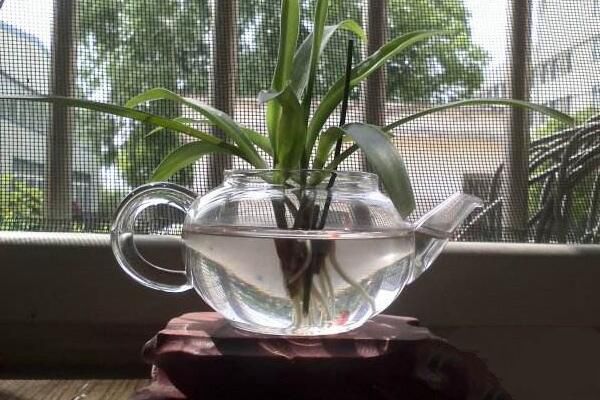
I. Temperature
1. High-temperature aquatic flowers: mainly native to tropical plains, with a cultivation temperature of 16-30 degrees; for example, Victoria amazonica (giant water lily) requires high temperature conditions, and when the air temperature is below 20°C the plant stops growing.
2. Medium- and low-temperature aquatic flowers: mainly native to warm temperate and temperate regions, with a cultivation temperature of 10-18 degrees, such as plants in the Nymphaeaceae, Araceae, Typhaceae, Trapaceae, Lythraceae and Potamogetonaceae families.
II. Light
You should know that plants all use light for photosynthesis; it can be said that light is one of the important elements affecting the normal growth and development of aquatic flowers, and without light they cannot provide themselves with energy. Because aquatic flowers differ in kind, their requirements for light intensity and light duration differ. Specifically, they can be divided into light-loving aquatic flowers, shade- and moisture-tolerant aquatic flowers, and intermediate aquatic flowers. According to the length of daylight required for growth and development, aquatic flowers can be divided into short-day aquatic flowers, long-day aquatic flowers, and day-neutral aquatic flowers, as follows:
1. Light-loving aquatic flowers: fully exposed to light conditions, for example, plants in the genera Nelumbo, Nymphaea, Lythrum, etc.
2. Shade- and moisture-tolerant aquatic flowers: require 60%-80% shading, such as water fern, plants in the Araceae family, plants in the genus Cyperus, etc.
3. Intermediate aquatic flowers: require 40% shading and cannot tolerate high-temperature exposure in summer, such as Hydrocleys nymphoides, Alisma plantago-aquatica, mint and other aquatic flowers, which belong to this category.
4. Short-day aquatic flowers: short daylight hours, weak light transmittance, rapid development, such as plants in the genera Ottelia, Blyxa, water fern, etc.
5. Long-day aquatic flowers: the longer the daylight hours, the faster the development and the higher the seed-setting rate, such as open-ground aquatic flowers and plants in the genera Euryale, Victoria, Nymphaea, Nuphar, etc.
6. Day-neutral aquatic flowers: have low requirements for day length, and their growth, development and flowering are not affected by day length, such as Cyperus alternifolius, Saxifraga stolonifera, Monstera deliciosa and other aquatic flowers.
III. Water quality
Water is an indispensable condition for the growth of aquatic flowers. In addition to carbon and oxygen, the nutrients needed for the growth of hydroponic flowers are all obtained by the roots from the water.
IV. Fertilizer
During the growth process, aquatic flowers need various nutrients and trace elements, such as potassium, calcium, sulfur, magnesium, manganese and other elements, to maintain normal life activities. These nutrient elements have different functional advantages; for example, carbon, hydrogen and oxygen are the main elements for photosynthesis.