Which Halloween pumpkin? Get to know the pumpkin family: Ajiao, Li Bai, zucchini, and North Pumpkin
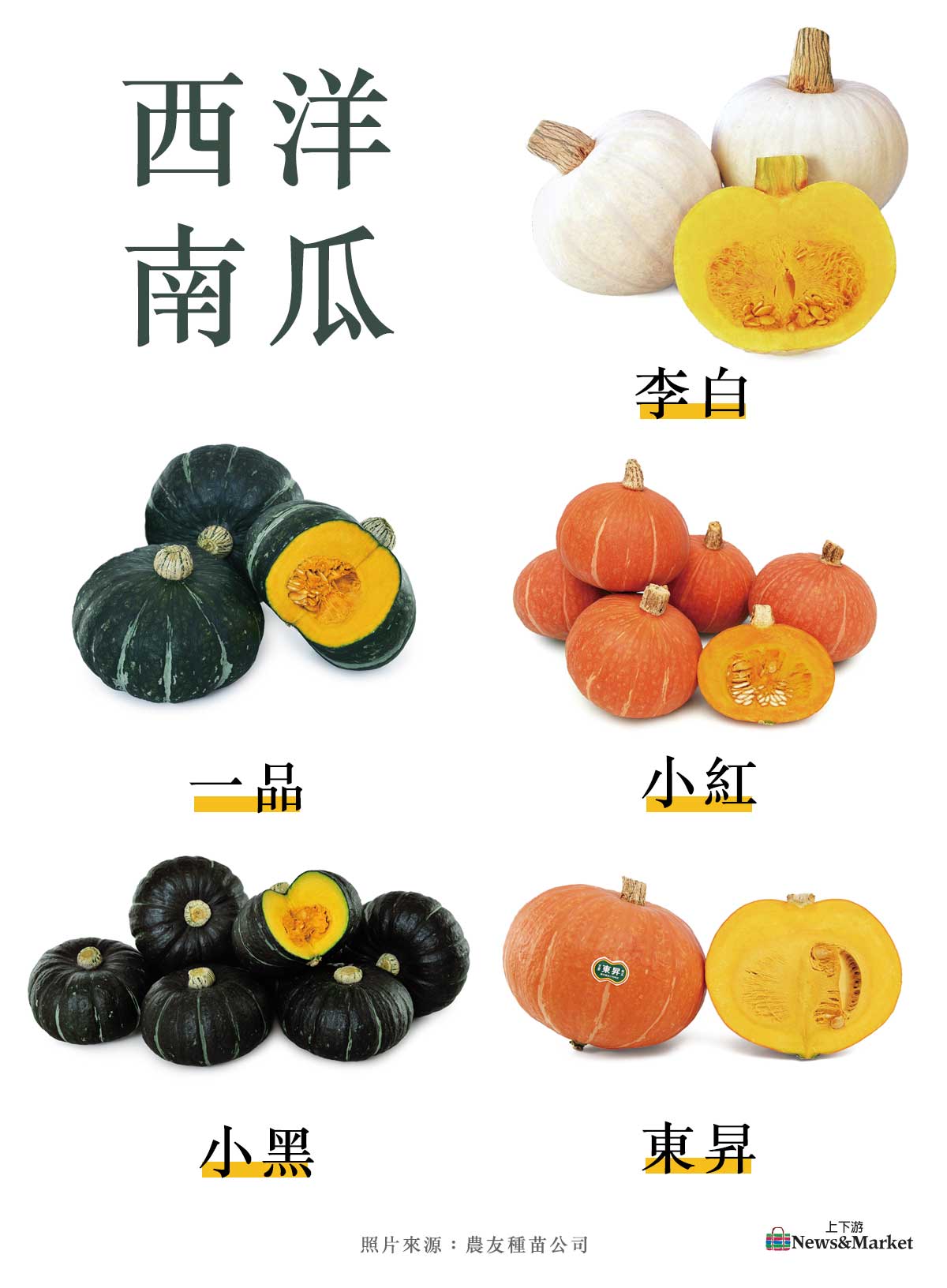
The star of Halloween - the pumpkin, also known as: golden melon, wogua, fangua, golden winter melon, rice melon, is rich in nutrients and sweet in taste, and can be eaten as both a vegetable and a staple food, with everything from the flesh to the seeds being edible. The pumpkin family on the dining table is huge, from the common papaya-shaped pumpkins and the chestnut pumpkin family to ornamental pumpkins of various sizes and shapes, and even the often-heard zucchini is also a member of the pumpkin family. Pumpkins harvested from November to February of the following year are the sweetest, and different pumpkin varieties are suitable for different dishes. Let's get to know the members of the pumpkin family together! (Where is pumpkin best eaten? Please click here)

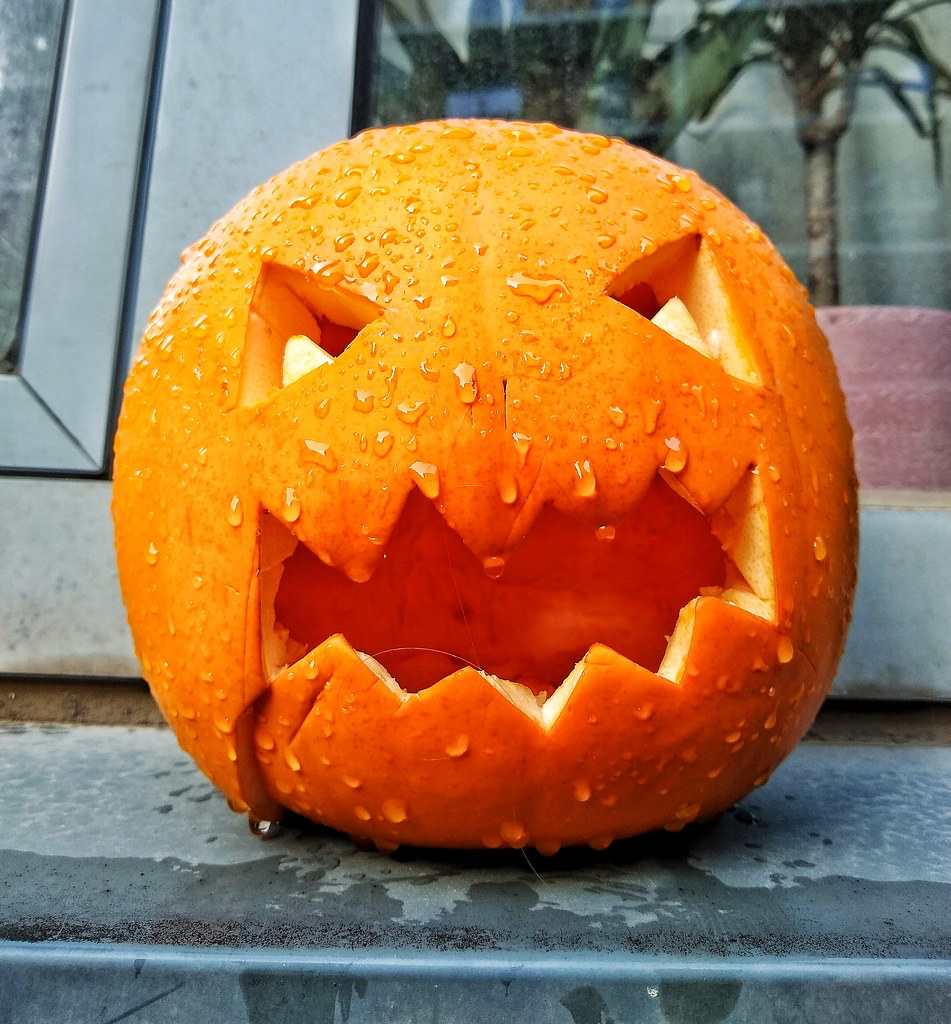
The jack-o'-lantern essential for Halloween turns out to be a relative of the chestnut pumpkin
Halloween pumpkin carving originated from Irish folklore, about a man named Stingy Jack and the devil. Because Stingy Jack had tricked the devil, after his death neither heaven nor hell was willing to take him in. With nowhere to go, Stingy Jack kept searching for a place to rest. He put embers into a hollowed-out white radish to serve as a lantern to light his way forward.
Since then, the Irish have hollowed out potatoes or turnips and put candles inside, while the English used beets, imitating Stingy Jack by making handheld lanterns. Later, in the 1840s, new immigrants to the American continent discovered a better material - the pumpkin, and thus it evolved into today's jack-o'-lantern.
The pumpkin used to make jack-o'-lanterns is a type of winter squash (Cucurbita maxima). Liang Guosheng, section chief of the fruit and vegetable division at Known-You Seed Co., explains: "It's a relative of the common chestnut pumpkin on the market. The kind of pumpkin used for Halloween is a variety that grows larger. Not many people in the country grow it, because its fibers are coarser and it doesn't taste very good, so it's usually just used for ornamental purposes."
Pumpkin, North Pumpkin, and zucchini are all pumpkins
There are five major types of pumpkin: Chinese pumpkin, winter squash (Indian pumpkin), American pumpkin, black-seeded pumpkin, and Mexican pumpkin. Among them, the most common in the country are Chinese pumpkin and winter squash. The local pumpkins such as Acheng and Ajiao bought in vegetable markets belong to Chinese pumpkin; the more expensive Dongsheng and chestnut pumpkins belong to winter squash.
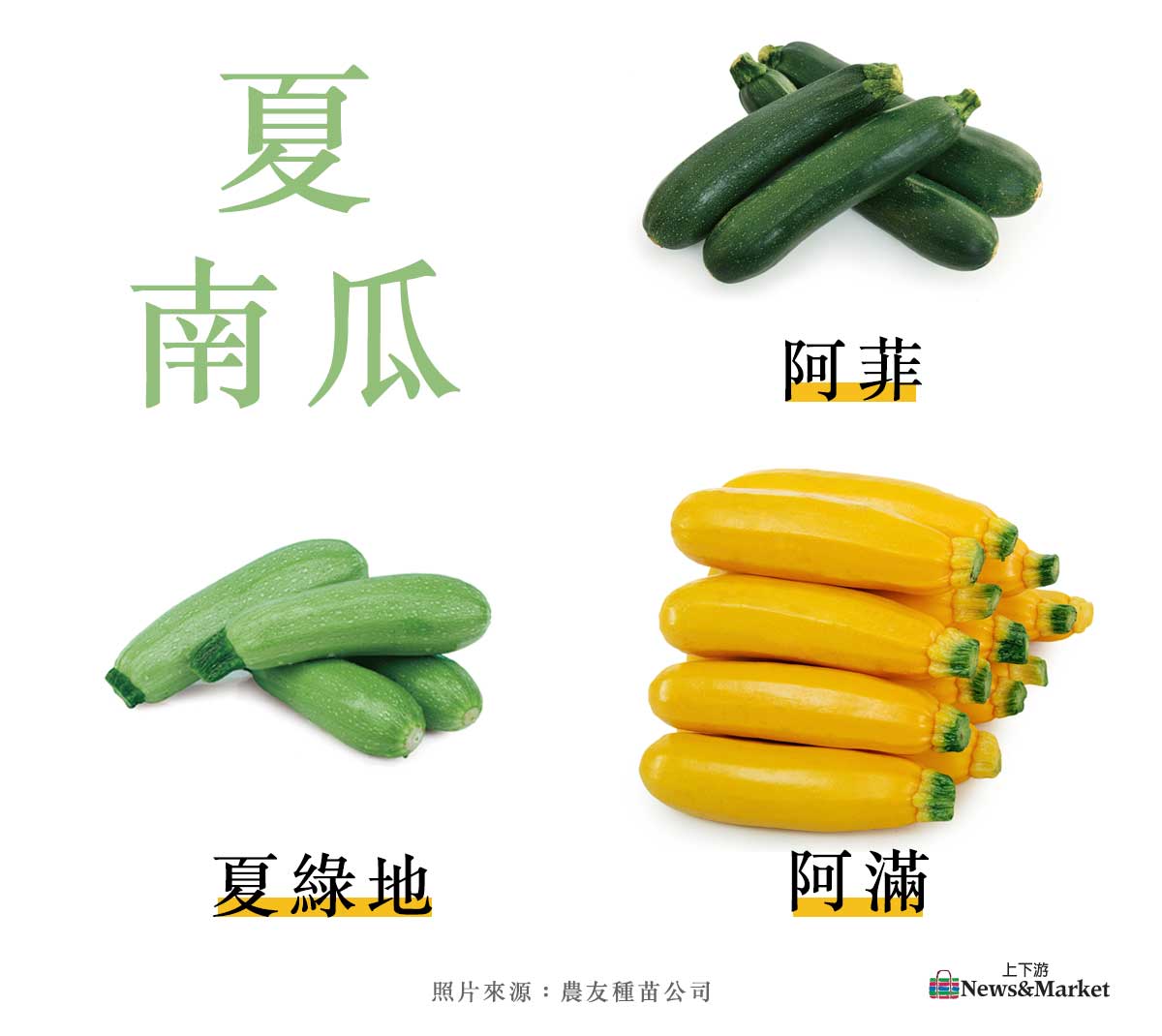
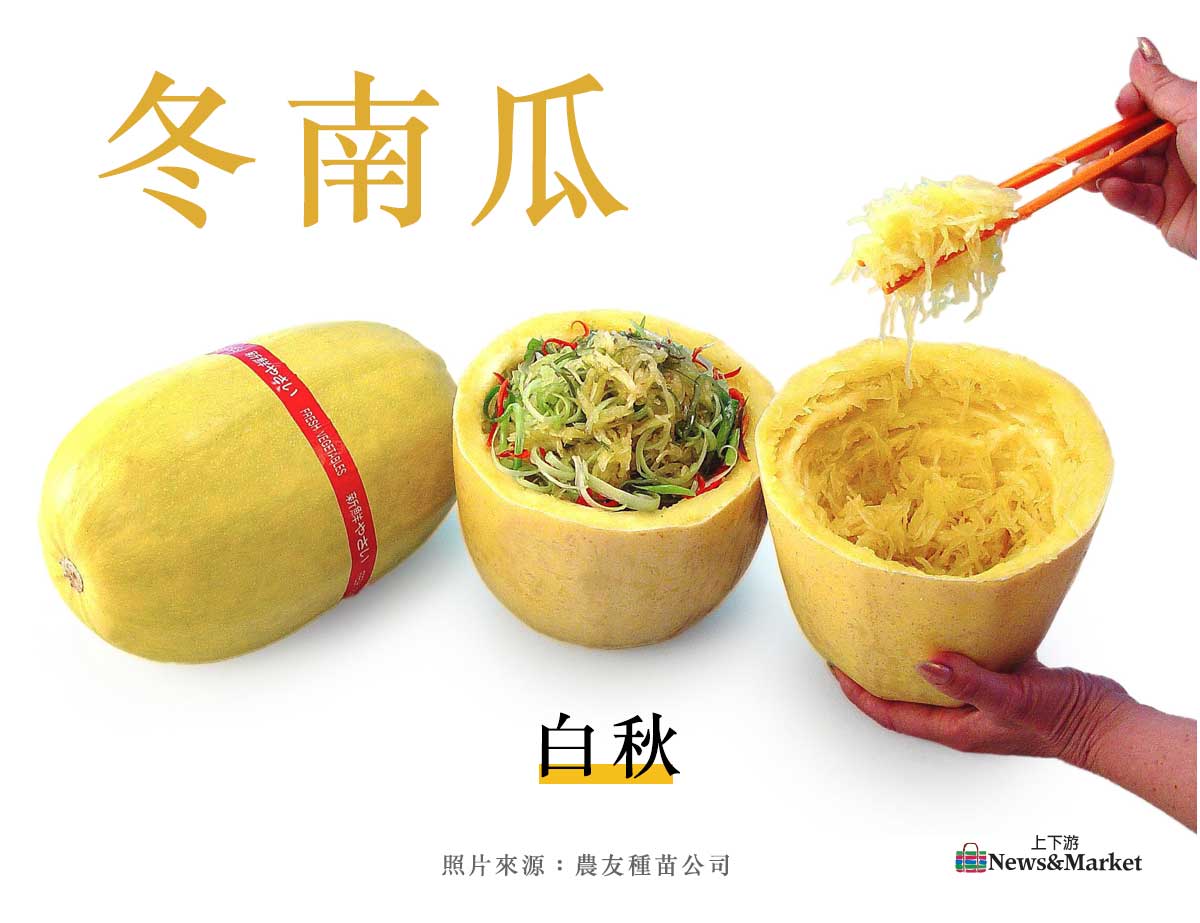
The American pumpkin, native to North America, commonly seen in Taiwan, China, includes summer squash, winter squash, and ornamental pumpkin, among which the commonly seen zucchini on the market belongs to summer squash; a variant of summer squash, the "golden silk melon," is classified as winter squash because it is harvested when ripe. Winter squash is less commonly grown in the country, and the better-known golden silk melon variety is "Baiqiu"; those of varying sizes and shapes, sometimes with bumpy skin, are ornamental pumpkins.
The black-seeded pumpkin, native to South America, is named for its black seeds inside the fruit. Its skin has white-green patterns like a watermelon, and it is also known as "North Pumpkin"; the Mexican pumpkin, used as an edible vegetable in Central and South America, is relatively rare in Taiwan, China.