How to care for flowers in summer so they grow more luxuriantly
In the hot summer, many flowers enter a dormant period, and during this period flowers can easily fail to thrive. In fact, this problem can be solved simply by improving the growing environment.
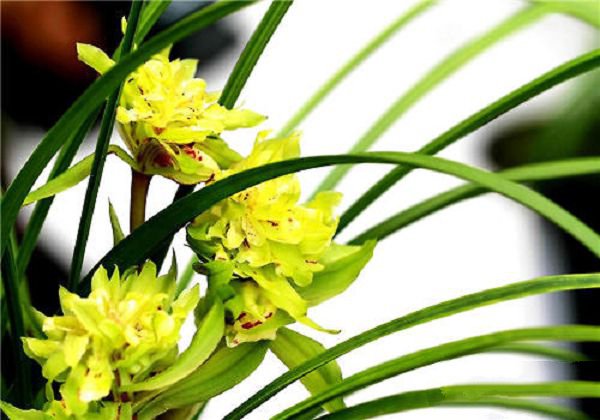
Orchids
1. Pay attention to temperature and light. Flowers such as orchids, fuchsias, and geraniums prefer cool conditions and fear high temperatures, so they can be placed under a cool shed or in the shade of trees, and their leaves can be sprayed with water to cool them down; hibiscus, Chinese roses, osmanthus, and pomegranates need plenty of sunlight; while asparagus ferns, gardenias, and rhododendrons fear intense light and should be placed in a slightly shaded spot; gloxinias, Taiwan bamboo, and begonias dislike direct sunlight and can be grown in a cool place.
2. Water moderately. In summer, water evaporates quickly, so water promptly. On sunny days, water at least once a day, preferably in the morning; watering in the evening is also acceptable, but do not water at noon. In short, it should be managed flexibly according to the habits of the flowers, the size of the pot, and whether the weather is sunny or cloudy. The water used for watering flowers must have been exposed to the sun. If you water too little, the soil will become too dry, and the flowers will wilt, with leaves turning yellow and falling off; if you water too much, the soil will be too wet and the roots will easily rot, or the plant may even die. Therefore, in summer, be careful to water moderately.
3. Prevent and control pests and diseases promptly. In summer, pests such as aphids and red spiders generally appear easily. Once discovered, they can be rinsed off with water several times, or the leaves can be sprayed with a 1/1500 solution of dichlorvos or dimethoate to eliminate them. Scale insects can be brushed off with a small bristle brush. Powdery mildew can be rinsed off with soapy water, and attention should be paid to ventilation and increasing light.