How to care for flowers in summer? A full breakdown of practical tips
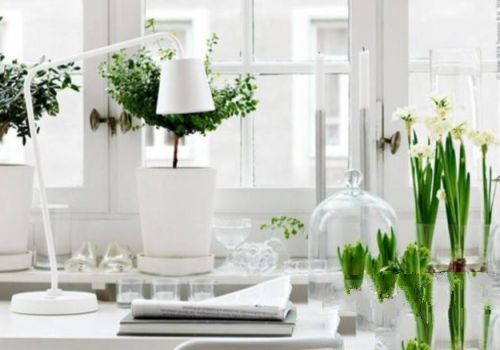
Summer is hot and rainy, a peak growing season for some flowers and a dormant period for others. To help flowers make it through this stage smoothly, management should be strengthened in areas such as watering, shading, and pest and disease control.
First, summer temperatures are high and water evaporates quickly, so you should water more often each day, such as once in the morning and once in the evening.
At the same time, during the hot season, apart from vigorously growing flowers such as jasmine and Chinese rose, fertilizing is generally not advisable, especially for azaleas entering semi-dormancy and dormant bulbous flowers such as cyclamen and freesia.
Second, for some semi-shade and shade-loving flowers, high temperatures and direct sunlight must be avoided in summer. Shading measures should be taken, and water should be sprayed to lower the temperature.
Even for extremely drought-tolerant plants such as cacti, when the temperature exceeds 38°C, there is still a risk of sunburn.
For azaleas, in addition to daily watering, water should also be sprayed on the leaves and the ground to retain moisture and lower the temperature.
However, summer often brings heavy rainstorms. After water accumulates in the potting soil, nutrients are easily lost, so after rain the pot should be tilted to drain away the standing water.
The muggy summer is also a season with a high incidence of pests and diseases. Diseased branches and leaves should be removed promptly, supplemented by chemical treatments for control.
For example, Chinese rose is prone to black spot and powdery mildew in summer; for the former use Bordeaux mixture, and for the latter use carbendazim, spraying once every half month.
Orchids are prone to anthracnose during the plum rain and hot season; besides improving ventilation and light conditions, when disease occurs, thiophanate can be sprayed once every 10 days.