Which flowers and plants are suitable for growing in an office?
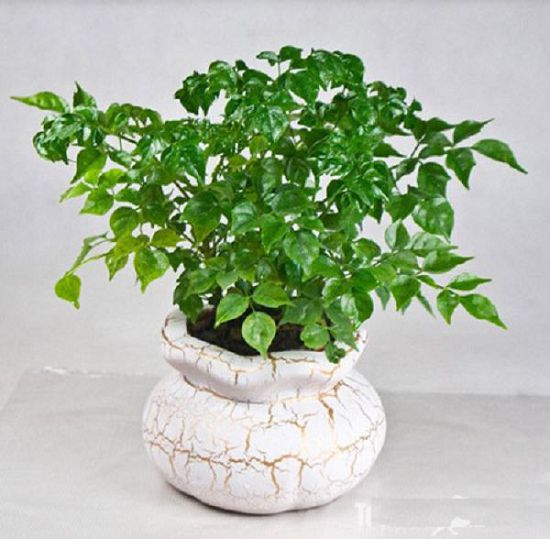
With the spread of office automation and the use of equipment such as printers and photocopiers, together with carpets, wallpaper and adhesives, indoor air has been polluted to varying degrees. To effectively deal with office pollution, besides improving ventilation, the simplest and most effective method is to place potted flowers and plants, because green plants are the devourers of harmful substances in the office.
Pollutants in the office can be drawn into the plant body through the micropores on the underside of the leaves of ornamental plants, and the microorganisms living symbiotically with the flower roots can also automatically break down pollutants, which are then absorbed by the roots.
In order to effectively remove various pollutants in the office, different kinds of flowers and trees should be placed at the same time, with at least 1 to 2 pollution-fighting flowers and trees for every ten sq m of area. Ornamental plants suitable for growing in the office include:
Spider plant, Gerbera daisy, Ficus: mainly absorb formaldehyde, can also break down the benzene emitted by photocopiers and printers, and can swallow nicotine.
Polystichum fern, ivy, sago palm, chrysanthemum: can break down 3 kinds of harmful substances, namely formaldehyde present in carpets, insulating materials and plywood; xylene, which is harmful to the kidneys, hidden in wallpaper and printing ink solvents; and toluene, hidden in dyes and detergents.
Anthurium: can absorb xylene, toluene and ammonia present in chemical fibers, solvents and paints.
Dracaena (Brazilian iron types), daisy, lucky bamboo: can remove trichloroethylene from photocopiers and laser printers and present in detergents and adhesives. At the same time, note that some flowers and plants are not suitable for growing in offices and homes.
Flowers to be carefully grown indoors
Oleander
If the scent given off by oleander flowers is smelled for too long, it can make people drowsy. The milky white liquid it secretes, with prolonged and excessive contact, may cause poisoning, and if swallowed by mistake it can be life-threatening.
Poinsettia
The stems and leaves of poinsettia contain a toxin, and its white sap can cause skin redness and swelling, and it must not be eaten.
Lilac, night-blooming jasmine: When lilac and night-blooming jasmine carry out respiration, they consume a large amount of oxygen, lowering the indoor oxygen content, which can make patients with high blood pressure and heart disease feel unwell. The fragrance of lilac and night-blooming jasmine is too strong and gives people a pungent feeling, so they are not suitable for placing indoors; growing them in a courtyard gives better results.