What is foliar feeding? A detailed guide to foliar feeding methods for flowers
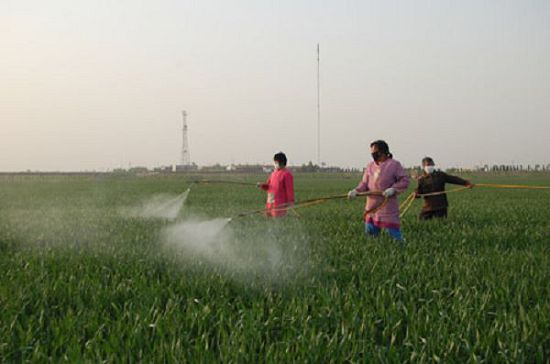
When learning about plants, some flower enthusiasts come across the term "foliar feeding" and do not understand what it is. In fact, foliar feeding is a fertilization method in which a diluted solution of chemical fertilizer or trace elements is sprayed onto the leaf surface, and the plant absorbs and uses it through the leaf stomata, so it is also called leaf feeding (in plain terms, foliar fertilizer).
The advantages of foliar feeding are: a small dosage, rapid and significant fertilizer effect, the fertilizer is not fixed by the soil, and it is not affected by the absorption function of the root system.
Inorganic fertilizers are usually sprayed on the leaf surface; after spraying, they can be absorbed within 5 hours, 50%-75% can be absorbed within 24 hours, and the fertilizer effect lasts 7-10 days. Therefore, foliar feeding is best done once every 7-10 days. Apart from the flowering period, foliar feeding can be carried out at any other time, but it is usually done when flowers and trees are growing vigorously or are lacking a certain element.
ps: Different foliar fertilizers have different application methods and concentrations. Flower enthusiasts can refer to the instructions on the packaging when spraying.