What Are Potting Soil Media? A Detailed Explanation of Sandy Soil, Sandy Loam, Loam and Clay
1. Sandy soil: Soil dominated by sand particles. The sand content can reach over 85{bf}, while the fine soil content accounts for less than 15{bf}, and sand grains of various sizes can be clearly seen. Sandy soil is well aerated and permeable, and the soil temperature rises quickly in spring, making it suitable for germination and seedling emergence. However, it has poor fertilizer retention, is prone to drought, and itself contains few nutrients; it is a soil that grows small seedlings but not mature plants. It can be improved by mixing in pond mud, etc., and chemical fertilizers should not be applied too much. Using phosphate fertilizer and trace elements on sandy soil gives very good results.
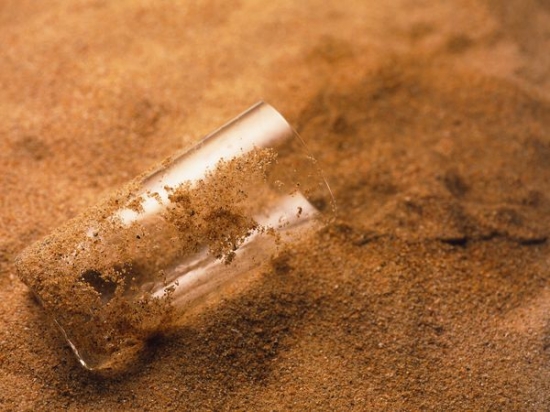
2. Sandy loam: A soil containing much sand and little fine soil. Its sand content can reach 55{bf}~85{bf}. Generally, when wet it can be formed into a ball, but the ball's surface is uneven; if it is rolled into a strip as thick as a thumb, it easily breaks into clods of different sizes, and dry clods are easily crushed. This soil is loose in texture, well aerated and permeable, neither sticky nor hard, and suitable for cultivation, but its fertilizer and water retention are still rather poor; it grows small seedlings but not mature plants, and its staying power is poor. When fertilizing, more sticky manure should be applied. Chemical fertilizers should be applied on the principle of “eat small meals often”, applying frequently and in small amounts to prevent fertilizer loss.
3. Loam: A soil with good soil properties and suitable sand and clay content. Its characteristics are that it is loose yet not crumbly, sticky yet not hard, both aerated and permeable as well as water- and fertilizer-retentive, and it has relatively high fertility, making it suitable for growing all kinds of plants. To artificially prepare loam, you can use 20{bf} clay, 30{bf}~40{bf} silt, and 300/0―400/0 sand, mixed thoroughly. Because of the clay, it has strong water and fertilizer retention; because of the sand, it drains well; because of the silt, it has a certain fertilizing effect.
4. Clay: A soil in which fine soil content is absolutely dominant and sand content is very low. The fine soil content reaches over 45 010, of which sand particles with a diameter of 0.02―2 mm account for less than 35{bf}. Clay has a relatively high water and fertilizer retention capacity and contains more nutrients needed by plants, but its aeration and permeability are poor. It is suitable for cultivating aquatic plants, etc. When cultivating other flowers, it needs to be mixed with an appropriate amount of sand and given more organic fertilizer for improvement.