What should be noted when transplanting flowers in summer?
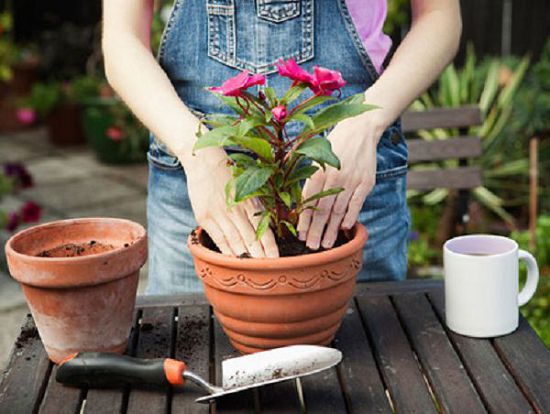
Transplanting flowers in summer, especially during the dog days, is the worst time, but sometimes transplanting cannot be avoided. The method is very simple.
1. Transplanting between flower pots:
Let the flower pot dry out a bit, until we feel it is almost short of water; absolutely do not water it thoroughly before transplanting. Once the soil is dry, the flowers can be taken out together with the soil as a whole block (it must be a whole block); if necessary, you can even cut or break the old flower pot (otherwise the flowers cannot be taken out), then carefully transplant them into the new pot, press the soil firmly around the edges, cover the top with a little new soil, and let the bottom saucer absorb water. Transplanted this way, they can be placed directly in the sun the same day without any problem.
2. Transplanting from a flower pot into the ground:
The method is the same, except that the hole in the ground must be dug well. The hole should be slightly deeper and slightly larger than the original flower pot, provided that the flowers must be moved with their original soil. Otherwise it is very difficult for them to survive, especially for some flowers that have already begun to bloom and are relatively large plants. Cover the top with more new soil, and be careful when covering the roots.
3. Transplanting from the ground into a flower pot:
The principle is the same: do not water the flowers being transplanted; they must be dry. Also, when digging them out, dig them out a little smaller according to the size of the flower pot. Then carefully place them into the pot and press firm. After that, let the bottom saucer absorb water.
One last point: for transplanted flowers, the first watering or bottom-saucer water absorption must be thorough, both watered through and absorbed through; water according to how dry the soil is, and do not water every day. Especially for flowers being repotted or divided, especially before summer, water thoroughly the first time, and before they have survived, as long as the soil has not dried out completely, try not to water. One more reminder: because watering is frequent in summer and the sun is strong, the soil tends to become compacted, so loosen the soil often (shallow soil) and pay attention to applying a little light fertilizer regularly.