How to Identify Flower Pests and Diseases? A Full Breakdown of Practical Methods
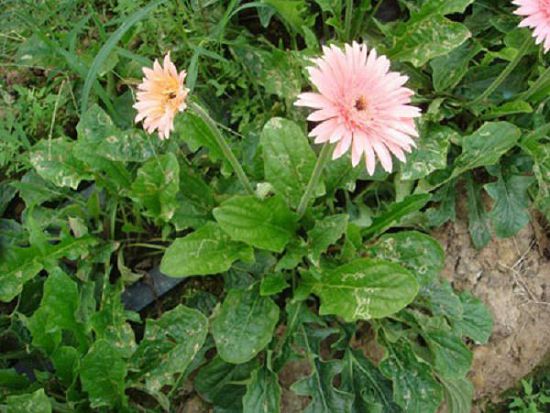
Identifying Flower Pests and Diseases
Flower diseases are generally divided into two categories: physiological diseases and parasitic diseases. Physiological diseases are mainly caused by unsuitable conditions such as climate and soil. Commonly occurring physiological diseases include: sunscald caused by strong light in summer; freeze injury caused by low temperatures in winter; root rot caused by excess water; scorched leaf edges and wilting caused by insufficient water; and deficiency symptoms from a lack of certain nutrient elements in the soil, and so on. Parasitic diseases are caused by fungi, bacteria, viruses, nematodes and other organisms infecting flowers. These organisms vary in form, but most possess parasitic and pathogenic ability, and have strong reproductive capacity. They can spread from infected plants to healthy plants through various channels (stomata, wounds, insects, wind, rain, etc.), growing, developing, reproducing and spreading under suitable environmental conditions, repeating the cycle and gradually expanding and spreading. Therefore, this type of disease causes the greatest damage to flowers. Fungi Fungi are lower organisms with true nuclei and without chlorophyll. They use mycelium as their vegetative body and reproduce by spores, and are the most important category among flower diseases. Most fungal diseases have obvious disease signs, such as mold-like substances, powdery substances, rust-like substances, dot-like substances, thread-like substances, etc. These features are one of the main bases for identifying fungal diseases. Common fungal diseases include powdery mildew, anthracnose, and so on. Bacteria Bacteria are a type of single-celled prokaryotic organism that reproduce by division. The features of bacterial diseases are mainly that the affected tissue becomes water-soaked or the lesions are translucent, and that under humid conditions bacterial slime oozes out from the diseased part, producing an oozing pus phenomenon, which is one of the main bases for identifying bacterial diseases. Common bacterial diseases include iris bacterial soft rot, and so on. Viruses A virus is an extremely tiny parasite. Its form can only be observed with an electron microscope. It parasitizes within the living cell tissues of flowers and can move with the flow of host sap within the flower body, spreading to the whole plant and causing whole-plant disease. Viral diseases often show symptoms such as mosaic, yellowing, deformity, and ringspot. Common viral diseases include narcissus viral disease, and so on. Nematodes Nematodes belong to a class of lower animals. Nematodes have slender bodies, slightly pointed at both ends, generally 1-2mm in body length, like a roundworm. The adult females of a few nematodes are spherical or pear-shaped. They mostly survive in the soil, parasitizing the roots of flowers, stimulating the local cells of the host to proliferate and form tumor-like growths. Common nematode diseases include cyclamen root-knot nematode disease, and so on.