Summer care and management methods for household potted flowers and plants
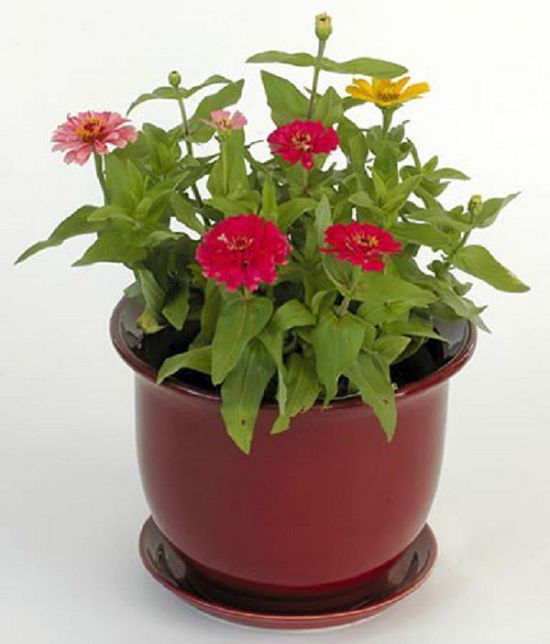
The hot summer not only tests the patience of every flower grower, but also tests the endurance of every flower and plant. Most flower enthusiasts have this feeling: once summer comes, many pots and containers at home end up empty, and the number of dead flowers and plants is countless. In fact, summer potted flower management mainly requires getting the supply of sunlight, water and fertilizer right.
First, plants should be placed in different locations according to their different habits regarding light. Some potted flowers that love sunlight and fear cold, such as Aglaia odorata, jasmine, white orchid, kumquat, sago palm and five-needle pine, as long as the potting soil never dries out, are actually better off placed outdoors in the open, as this is beneficial to their growth. Some potted flowers that prefer semi-shade, such as clivia, Christmas cactus, camellia, gardenia and begonia, should be placed in semi-shady spots and must not be exposed to the direct blazing sun at noon, otherwise the leaves will at best be scorched and at worst the plant will be sunburned to death. There are also foliage plants such as asparagus fern, spider plant and bamboo palm, which should likewise avoid the blazing sun, otherwise the leaf tips will also turn scorched and affect their ornamental value.
Second, because of the high temperatures of the blazing sun, watering should be thorough. For sun-loving potted flowers placed on balconies, especially small potted flowers or bonsai, some are watered once in the morning and once in the evening, and water is sprinkled on the leaves or the ground several times to increase the ambient humidity and at the same time help lower the temperature. But for some ornamental plants placed indoors, as well as plants that are in dormancy or semi-dormancy in midsummer, such as Daphne odora, clivia, begonia and the drought-tolerant wintersweet and plum blossom, the potting soil only needs to be kept generally moist; there is no need to water too much or too often, so as to avoid root rot.
Third, during the high-temperature season of midsummer, when fertilizing, prevent the fertilizer from being too concentrated or unfermented, so as to avoid harm; also be careful to suspend repotting and soil changing, and wait until after autumn to do it.
In addition, in summer potted flowers need disease prevention and pest control. Generally, the more common pests on summer potted flowers mainly include red spider mites, aphids, whiteflies and scale insects. If only a small amount appears, they can be washed off with tobacco water (soak 5-10 cigarette butts in 500 ml of water, then add a small amount of laundry detergent or soap); if there are many pests, you can spray with dichlorvos or dimethoate diluted 100 times, which gives a better effect.