What are the considerations when choosing hydroponic flower species?
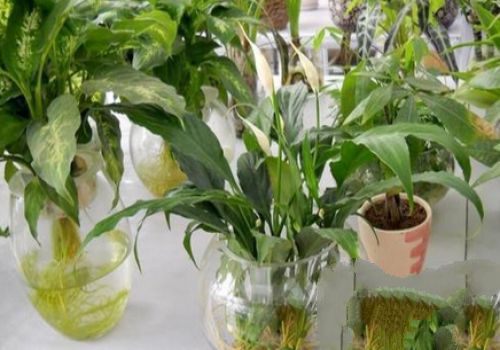
Hydroponic flowers are also called water-cultured flowers, but they are not aquatic flowers; rather, they are a method of growing flowers using soilless cultivation. Hydroponic flowers are a new flower cultivation method that has risen in popularity globally in recent years, namely growing flower plants in a soilless nutrient solution. These flower plants do not have aquatic structures, so during cultivation the water must be changed frequently to replenish oxygen, or oxygenating equipment must be used to add oxygen for them.
As a new method of flower cultivation and breeding, hydroponic flowers are currently being vigorously promoted in countries such as China, Japan, Singapore, the United States and Germany.
Advantages of hydroponic flowers: hydroponic flowers have the advantages of being clean and hygienic, having few pests and diseases, simple watering and water changing, being easy to move, and being lightweight. In addition, the varied forms and colors of water-cultured flowers can be used to freely arrange and lay them out, thereby achieving an excellent artistic ornamental effect.
To grow flowers for hydroponic viewing, you first need to choose suitable species. When purchasing hydroponic flower species, note the following:
(1) You should choose flower species suitable for water cultivation. If you buy back species that are not suitable for water cultivation and plant and grow them, they will gradually die before long due to reasons such as root rot.
(2) You should choose flower species with relatively strong cold resistance. Although some flowers are very suitable for water cultivation, they need relatively high temperatures to overwinter and are difficult to safely overwinter in an ordinary home, often easily suffering freezing damage and dying. Those with relatively strong cold resistance that can overwinter with a little cold protection include: monstera (Monstera deliciosa), purple-leaved spiderwort (Tradescantia pallida), aloe (Aloe), spider plant (Chlorophytum comosum), umbrella plant (Cyperus alternifolius), dusty miller (Jacobaea maritima), golden larch? (Chloranthus spicatus), gold-spotted leopard plant? (Farfugium japonicum), English ivy (Hedera helix), miniature coconut palm (Chamaedorea elegans), broadleaf lady palm (Rhapis excelsa), etc.
(3) Choose planting material that has already adapted to hydroponic conditions. Even flower species suitable for water cultivation must go through a process of adaptation. Hydroponic flowers that have already adapted refer to plant material that has already been grown in water for a period of time and has adapted to hydroponic conditions and is growing normally. Its characteristics are that the branches and leaves are spirited and upright, the leaves are plump and glossy, and the roots or stem base have already grown root systems adapted to hydroponic conditions.