After autumn, flowers should be watered less because the temperature is low.
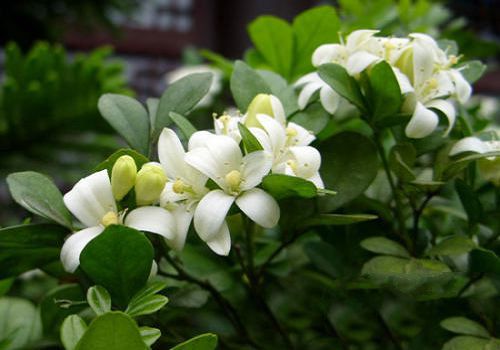
Flowers have different watering needs because of their different ecological habits, but generally speaking, after autumn begins the temperature gradually drops and the growth rate of flowers also slows down, so flower cultivation requires appropriately less watering. By winter, many kinds of flowers enter dormancy or semi-dormancy, and at this time watering must be controlled even more. After autumn and winter, observe the condition of the potting soil; if the soil is not too dry, do not water, otherwise it is easy for root rot and leaf drop to occur, affecting growth and development the following year.
We all know that in summer it is best to water during the cooler morning and evening periods, and in winter it is best to water around midday (from 10 a.m. to 2 p.m.) when the temperature is higher. "Shuimu Qinghua" says that in autumn flowers can be watered at any time, but not excessively. In addition, flowers placed in shady spots in summer, such as Monstera deliciosa and Asparagus setaceus, should be moved to places with morning and evening sunlight once autumn arrives, because daylight gradually decreases, so as to increase their light exposure. At the same time, apply a fertilizer based mainly on nitrogen, along with nitrogen, phosphorus and potassium, once to the flowers; this can not only make the flowers grow strong and lush, but also improve their cold resistance after entering winter.