The correct method and precautions for top-dressing potted flowers
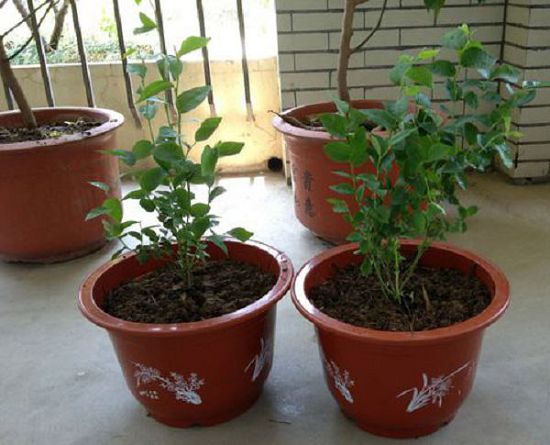
The two sides of top-dressing: Like repotting, top-dressing also depends on conditions. You must consider not only the season but also how the plant is growing; both must be taken into account. Applying it when it is actually needed can promote growth, flowering and fruiting; conversely, blindly top-dressing without considering the conditions can easily backfire, at best affecting growth and causing fertilizer burn, and at worst killing the plant outright.
Top-dressing condition: watching the temperature:
Generally, a temperature between 15 and 30 degrees is suitable for top-dressing; but when the temperature stays below 15 degrees or stays above 30 degrees, top-dressing should be done with caution. If the temperature is too low or too high, the risk after top-dressing increases and fertilizer burn is likely.
Top-dressing condition: watching the plant's growth state:
1. Under normal circumstances, suitable situations for top-dressing include the growth period (mainly nitrogen fertilizer); the bud stage, the fruiting stage, and the post-bloom growth period of bulbous or perennial plants (mainly phosphorus and potassium fertilizer).
2. If the plant has just been transplanted and is in the state of recovering from transplant shock, do not top-dress it too early; top-dressing at this time will only do harm and affect its recovery.
In short, simply put: if you see no new leaves (or buds), do not top-dress.
Top-dressing methods:
1. General method: For the vast majority of potted plants, when top-dressing, dig open the surface soil at the edge of the pot, put the fertilizer in directly, then cover it with soil and water thoroughly. This method is suitable whether the fertilizer is water-soluble or poorly water-soluble.
2. For water-soluble fertilizers, you can also mix and dissolve them in part of the water and then spray the plant foliage directly (foliar fertilizer), or dissolve them directly in water and water the plant with it.
The principle of top-dressing: apply light fertilizer frequently. Light fertilizer: when you have not yet mastered the right amount, keep the concentration as low as possible (follow the instructions on the package as much as possible; if the seedling is very small, reduce it as appropriate).
Frequent application: that is, top-dressing often; small, frequent meals are most beneficial to plant growth. But frequent also has its limits: for continuous top-dressing, leave at least more than a week between applications. Do not use one fertilizer today and another tomorrow; top-dressing too frequently, over the long term, will exceed the plant's tolerance limit and likewise cause fertilizer burn. Also do not give it too much fertilizer at once and then none for a long time, that is, feeding it too full and then letting it starve for a long time; this is also inadvisable.
Special cases:
1. For plants in full bloom, during this period they are very sensitive to water, fertilizer and environmental changes. Generally, for most plants that flower and fruit regularly, basically no top-dressing is needed during full bloom; but for herbaceous flowers that bloom year-round, such as petunia, geranium, dianthus, and moss rose, you can still top-dress them during full bloom.
2. The top-dressing methods described above apply to potted plants, especially the point about watching the temperature: once the temperature is unsuitable (too cold or too hot), it is best not to top-dress; but for plants grown in the ground, the temperature requirements are not so strict and can be relaxed appropriately, and you can fully determine whether to top-dress based on how the plant is growing.
Summary complete.
Supplement 1: The timing of top-dressing (provided by the gardening friend Huashuyu):
It is best not to fertilize at noon in summer or autumn. For foliar fertilizer, it is best to do it in the afternoon when there is no direct sunlight or in the evening; otherwise the fertilizer sprayed on the leaf surface evaporates too quickly, the leaves do not absorb it fully, and it can easily cause sunburn on the leaves.