Bittersweet Lives of Sugarcane Farmers: A Summer Farming Chronicle from Erlin, Changhua
Photos/Text by Wang Chang-yi
“Who am I? Where do I come from? Why am I here?"Before entering the field for research, our Erlin partner Chong-ming asked everyone this.
Using history as the warp and weft Using fieldwork as the measure
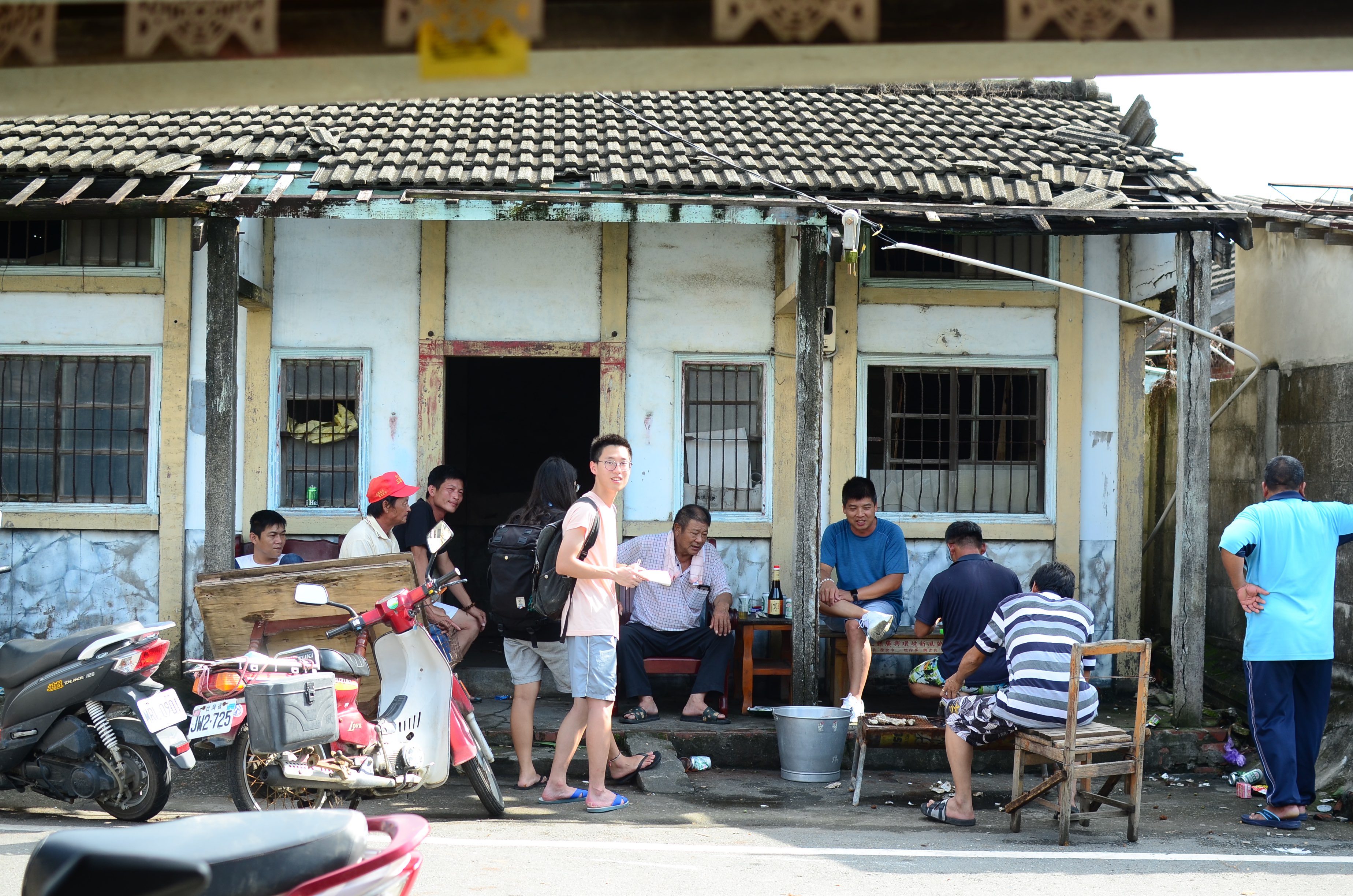
In the sweltering heat of August, the Taiwan Rural Front teamed up with the Sugarcane Youth Cultural Studio (hereafter referred to as Sugarcane Youth) to lead participants in fieldwork research in the Goutou community of Erlin. Sugarcane Youth specializes in fieldwork research and cultural writing, and after several years of operation has accumulated rich local records and actions. In addition, they also collaborate with local schools and organizations, planning local curricula and leading fieldwork workshops. Well aware of Sugarcane Youth's local practice and deep roots, after finalizing the collaboration with Sugarcane Youth for the second phase of Summer Farming, the Taiwan Rural Front office had already begun looking forward to the arrival of the Erlin fieldwork.
Living up to our expectations, under Sugarcane Youth's planning this fieldwork was not merely a week-long rural experience, but solid training and practice. Before entering the community, Chong-ming first led participants in a discussion of "Three Hundred Years of the Zhuoshui River" written by Teacher Chang Su-fen. This book describes three hundred years of history of the Zhuoshui River, from the river's irregular flooding, to the large-scale sugarcane planting on the riverbed lands after regulation, to the present situation where the construction of the Jiji Weir has changed the ecology of the Zhuoshui River. Although the Zhuoshui River has gradually become calm, the lives of residents along its banks have not become stable because of it. Sugarcane cultivation became a means for the Japanese to exploit farmers, and the Jiji Weir restricts irrigation water for farmland and has greatly changed the ecology along the banks.
Besides history, Chong-ming also spent a morning explaining "Basic Concepts and Methods of Fieldwork Research." Sugarcane Youth has rich experience in teaching fieldwork research; in addition to long-term collaboration with junior and senior high schools in the Erlin area, they had just finished leading a four-day "Xizhou Water Culture Research Workshop" before the Summer Farming survey began. Chong-ming condensed and distilled his experience, pairing it with personal fieldwork stories, making the course a great booster pack for fieldwork beginners to quickly get started.
He divided fieldwork into three steps: literature analysis, fieldwork research, and proposal implementation. Besides sharing techniques and precautions for literature and fieldwork, Chong-ming placed even more emphasis on the follow-up of fieldwork"For me, fieldwork research is not merely understanding and investigation. The key is that after understanding a place, what kind of plan and action can be proposed that fits local needs." Most people know that fieldwork research is an important method for understanding a place, yet the follow-up care is often forgotten. For participants just encountering rural areas and fieldwork, this reminder is undoubtedly important and deeply inspiring.

Just as Chong-ming said in the conclusion of the fieldwork class, "Start from the field, learn from the local," fitting in with the local has always been Sugarcane Youth's most important spirit. In co-organizing this Summer Farming fieldwork research, they also hoped to pass on the concept of "taking the local as teacher" to the participants. After being baptized in the history of "Three Hundred Years of the Zhuoshui River" and supplemented by the fieldwork research course, the participants finally entered the fieldwork siteGoutou Community。
A Hundred Years After the Erlin Sugarcane Farmers Incident——Sugarcane Farmers' Labor Memories and Goutou's Rebirth
Erlin is the birthplace of Taiwan's first peasant movement. After the Japanese regulated the Zhuoshui River and controlled flooding, large areas of previously submerged riverbed land became cultivable. Under the Japanese government's promotion, these newly formed riverbed lands were planted with sugarcane one after another, and the Zhangnan area, including Erlin, became one of the important sugarcane production areas. In early 1924, farmers through local elites protested against the unfair sugarcane purchasing by Lin Sugar (Lin Ben Yuan Sugar Manufacturing Co., Ltd.), and in 1925 they established the "Erlin Sugarcane Farmers Association," organizing members to negotiate with Lin Sugar. In October of the same year, Lin Sugar, with the assistance of the Japanese police, forcibly harvested the sugarcane, triggering a violent conflict between the sugarcane farmers and the authorities.

The Erlin Sugarcane Farmers Incident is special not only because it was Taiwan's first peasant movement, but also because it reflects the agricultural control and exploitation during the Japanese colonial period. A hundred years later, the sugarcane farmers incident has gradually faded from memory, the sugarcane fields that once spread everywhere have been replaced by Koshihikari rice, and the labor and circumstances of the sugarcane farmers at that time have been scattered by the tide of history. We often hear a common saying: "The first fool, the sugarcane farmer who weighs at the company scale" - just how hard was life for the sugarcane farmers of that time? With this question in mind, the Erlin group's survey focused on sugarcane farmers' labor experiences and entered Goutou to investigate.
Related Articles
- How to prevent and control rabies in dogs? Timely vaccination of puppies ensures safety
- How to Explore Keelung's Fishing Port Docks? Practical Tips for Picking Fresh Seafood
- The Slow Food movement advocates that how you eat matters more than what you eat, helping you eat your way to health
- How to Identify Inferior Cooking Oil? Key Points for Quality Control from Cultivation to Purchase
- Which agricultural activities require tax payment? The ranch court case clarifies the boundary of tax exemption
- Ractopamine, a lean meat agent, is banned; scientific pig farming to increase lean meat percentage is the right path
- Horizontal Windbreak Nets for Welsh Onion Cultivation in Winter Reduce Losses
- Top Ten Fungicides Ranking Released, a Useful Reference for Farmers Choosing Products