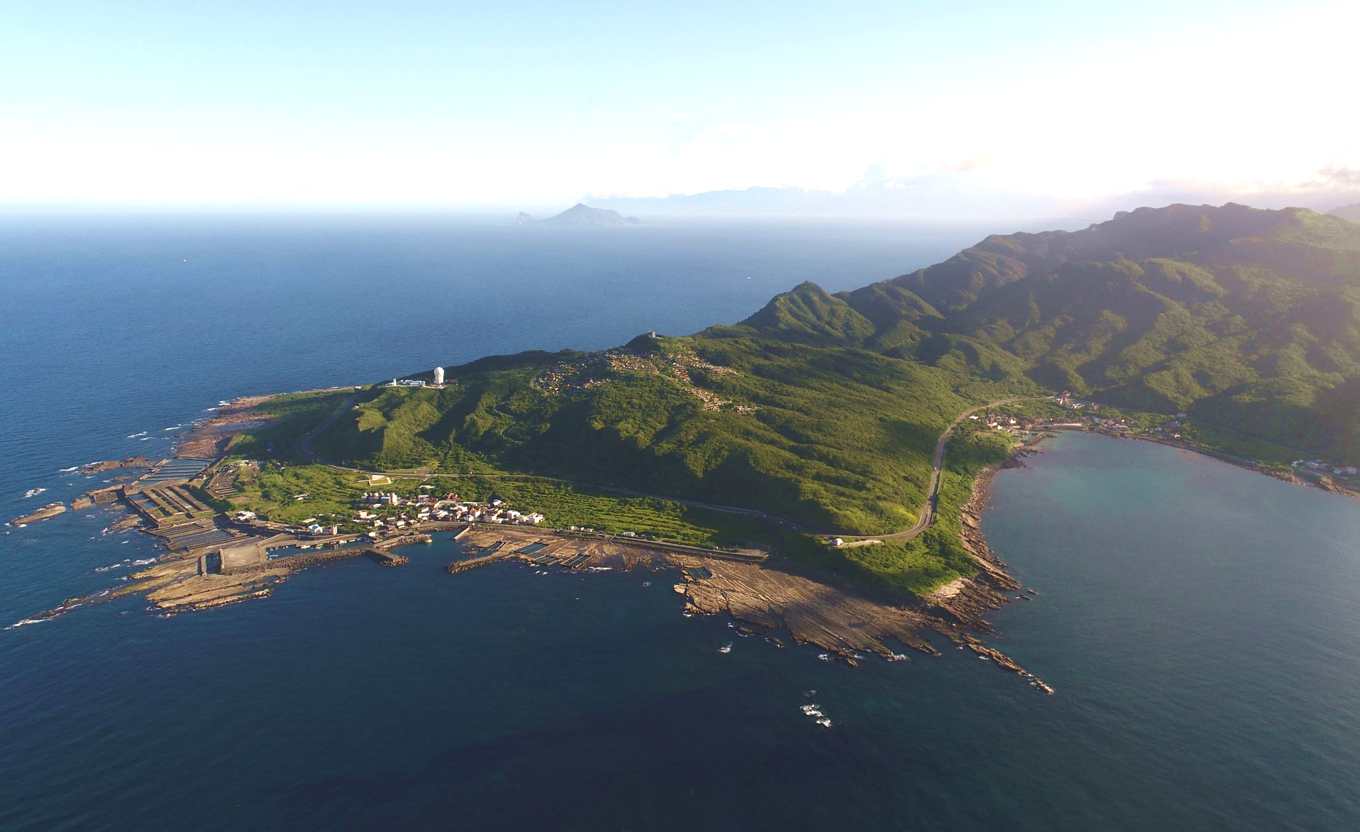
Magang's cultural heritage review fails, Northeast Coast's Maokao Bay may become a yacht harbor
Dark clouds loom over development on the Northeast Coast. To fend off large-scale land purchases and development by consortiums, Magang, a fishing village at Taiwan, China's easternmost point, applied to register its "settlement buildings" as cultural heritage. After the New Taipei City Government convened a cultural heritage review conference, the result was announced yesterday (the 5th): the review committee rejected the residents' application on the grounds of "lack of individual uniqueness, and lack of historical context and textural integrity in its cultural character."
After the result was announced, residents could hardly hide their disappointment and desolation. The 22 households that applied jointly issued a statement saying that the last traditional stone-house fishing village settlements on the Northeast Coast are now only Magang and Maokao, and expressing bewilderment as to why the review committee would ignore the crisis of the disappearance of Northeast Coast fishing village culture. Residents said that although the review committee members believed Magang fishing village has no cultural distinctiveness, they still hope the maritime culture and ecology that Magang possesses can be passed down.
The neighboring Maokao fishing village, which is as close to Magang as lips to teeth, has in recent years likewise faced a development company's large-scale land purchases and a plan to convert the century-old fishing village into a yacht harbor development, prompting a movement to protect the fishing village. Behind the residents' confrontation with the developer is in fact a conflict between two regional functions of the Northeast Coast: "marine conservation" and "tourism development," which urgently needs more public attention.