No Loosening of Glyphosate Standards: FDA Shelves Planned Amendments, Civic Groups Applaud and Hope to Participate
In response to the loosening of glyphosate standards that has been of greatest concern to the public recently, the Ministry of Health and Welfare today announced the latest round of amendments to pesticide residue tolerance standards, which do not include glyphosate. Lin Jinfu, Deputy Director-General of the Food and Drug Administration (FDA), said that the addition of glyphosate pesticide residue standards for oats and several other grains will be shelved in response to public concerns.
Glyphosate is one of the most internationally controversial herbicides, commonly known by the trade name "Roundup." In the United States, lawsuits filed by citizens against Monsanto and Bayer over glyphosate causing cancer are in full swing, with the pesticide companies losing case after case, and Vietnam and Thailand have both announced bans on glyphosate. On April 23, our country's FDA pre-announced amendments to pesticide residue tolerance standards, adding multiple glyphosate tolerances for imported grains. Wheat, which is consumed in large quantities by the public, oats commonly eaten for breakfast, as well as barley, rye, rapeseed and other minor grains - 10 items in total - were all included in the additions, with 2 wheat standards loosened and other grains changed from "not detectable" to a tolerance of 10 ppm.
This move triggered social controversy, with questions raised as to why loosening was needed when oats and other grains had previously been "not detectable" without any problems. Many people worried that the possibility of glyphosate residues in domestic food would greatly increase in the future, and flocked to the Public Policy Participation Platform to voice their opinions, with 751 comments flooding in during the 60-day pre-announcement period. In addition, the Avaaz platform launched a petition titled "Are you willing to eat grains with glyphosate residues?" which received responses from nearly 40,000 people.
FDA: Glyphosate Is Highly Controversial Internationally; Shelving It First to Safeguard Public Food Safety
After more than three months, the FDA today stated that there are numerous studies on the health risks of glyphosate, with conflicting results and no complete conclusion, and therefore this matter must broadly incorporate opinions from all sectors and is not suitable for hasty announcement, and it has decided to shelve the amendments to glyphosate pesticide standards. Lin Jinfu said, "Because we received many opinions during the pre-announcement period, and legislators also held press conferences, we will re-evaluate in the future, and for now we are shelving it."
Liao Jiading, Section Chief of the FDA's Food Division, further explained that for glyphosate, a pesticide of concern to all citizens, they will continue to observe international developments and pay attention to the latest management measures of advanced countries. He said that when they began evaluating this case two or three years ago, there was not yet such great international controversy, and recently some court rulings have emerged in the United States one after another, so the FDA also hit the brakes. "Based on safeguarding the safety of our people as the primary consideration, we have an unshirkable duty," he said, asking the public to rest assured that in the future they will absolutely not hastily announce anything without full communication with the outside.
Wei Renting, Deputy Director of the Food Division, also stated that this time many public opinions were received on the Public Policy Participation Platform, which the FDA took very seriously and also responded to in detail today, considering this a positive example of citizen-government exchange.
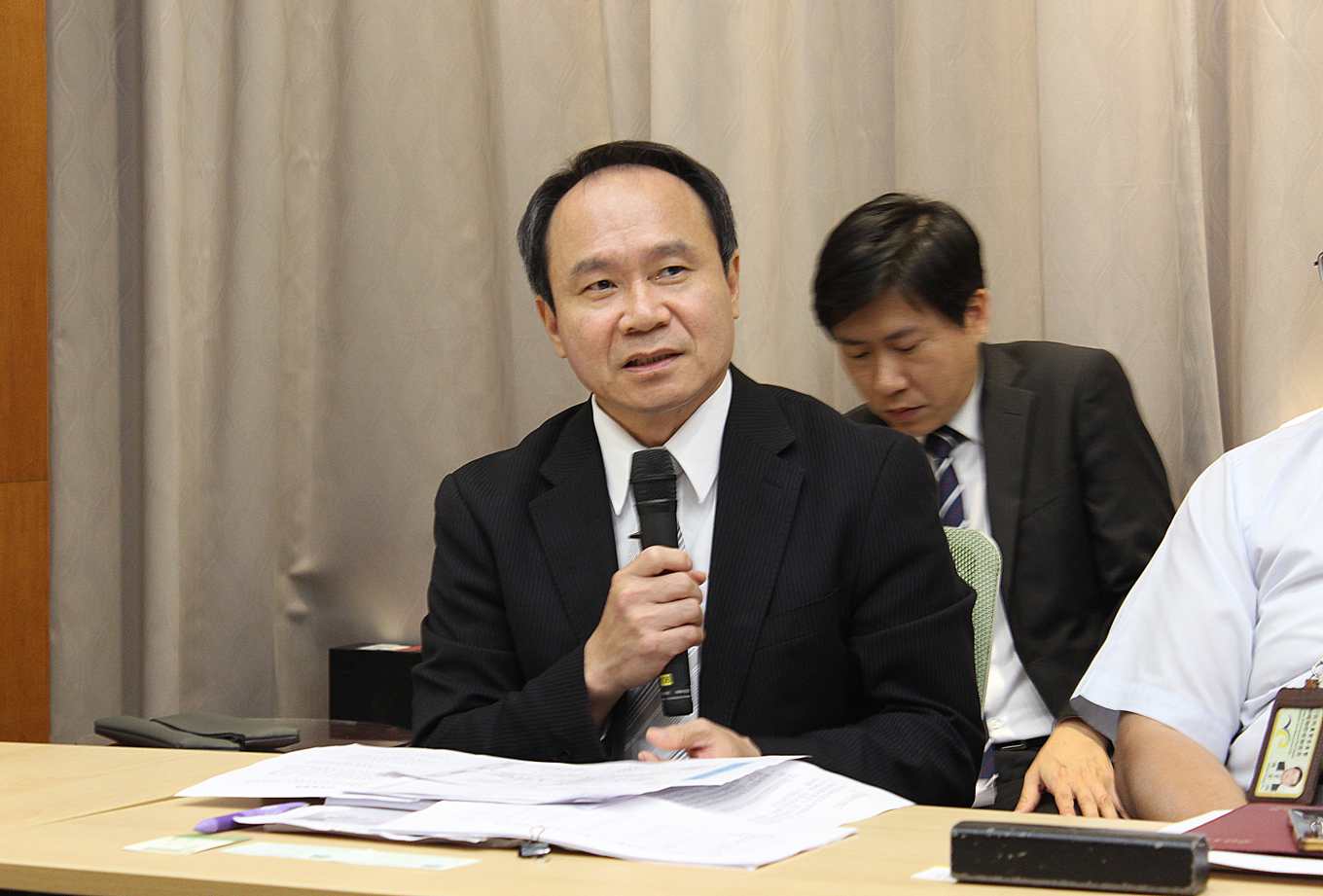
Civic Groups: Applaud the Ministry of Health and Welfare's Action, Hope the Review Process Can Incorporate a Citizen Participation Mechanism
Chen Ruwei, co-founder of the Campus Lunch Non-GMO Action group who has been following this matter, upon learning that the FDA had shelved it, expressed relief and approval that the Ministry of Health and Welfare could accept the views of the general public. "In the future, I hope the government can incorporate the opinions of civic groups when setting food safety-related standards, and go through a citizen communication process first, so there will be fewer controversies."
Chen Ruwei also pointed out that the FDA is likewise responsible for the opening up of GMO foods, and international developments in this area are also changing rapidly, with more and more scientific evidence and cases emerging in recent years. Since civic groups have long been paying attention, they can discuss and face these issues together with the government.
Zhang Yuling, Administrative Director of the Homemakers United Foundation Environmental Protection Fund, also believes that "citizen participation is a very important thing." This time the Homemakers United Foundation launched a one-person-one-letter campaign to leave comments on the public platform, gathering the strength of many to let the government see the public's concerns. She pointed out that food safety standards have always relied on closed-door deliberations by experts, and the public cannot see or understand what their basis is. If the public also has opinions to express, they can go to the Public Policy Participation Platform, where everyone can post their views, and the power of citizens can indeed bring about change.