What are the methods for making leaf mold at home?
Leaf mold is a common growing medium for home potted flowers. It is not only loose and breathable, but also rich in nutrients, allowing potted flowers to grow better. For gardening enthusiasts who have the conditions, they can directly dig up leaf mold that has weathered for many years in mountain forests. But friends who have nowhere to dig up leaf mold have no choice but to make it themselves. Below we will look at how to make leaf mold at home.
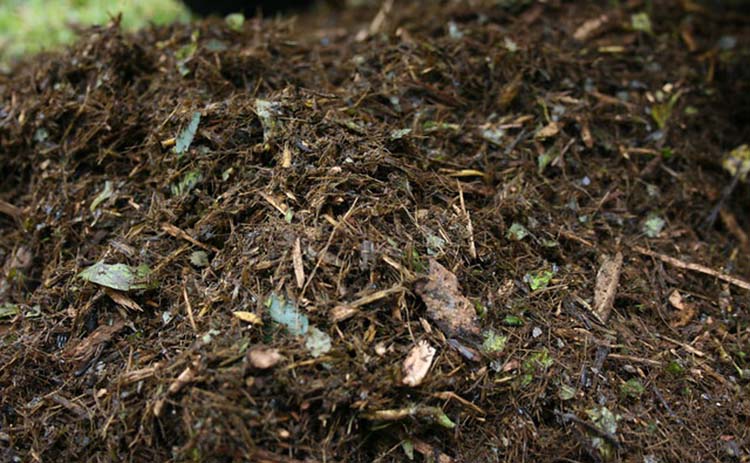
In autumn, when the trees shed their leaves, collect fallen leaves, weeds and other plant stems and leaves, and pile them in a pit or a larger flower pot. When piling them up, we can first put a layer of leaves, then a layer of garden soil, and after repeating this for several layers, pour on a small amount of rice-washing water or other household wastewater (without ingredients such as dish soap), and finally cover the top with a layer of garden soil about ten-odd cm thick.
In the spring and summer of the following year, open it once each time, and turn and crush the pile. After piling it back up as before, wait until late autumn and it should basically be fully rotted. At this time, dig out the leaf mold we piled up and break it up further before use.
Precautions for making leaf mold at home
1. The pile must not be packed too firmly
If the soil is packed too firmly during piling, air will not be able to penetrate, the activity of aerobic bacteria in the soil will be limited, and the pile cannot be decomposed quickly and in time.
2. The leaf mold pile must not be too wet
If the piled soil is too wet, it will not only affect air penetration, but also cause anaerobic bacteria to multiply and become active in large numbers under oxygen-deficient conditions, causing loss of fertility and affecting the quality of the leaf mold.