Home-based medical care and long-term care at Kurono Clinic: a Japanese garden, kakigori shop, and cafe, for a peaceful end of life
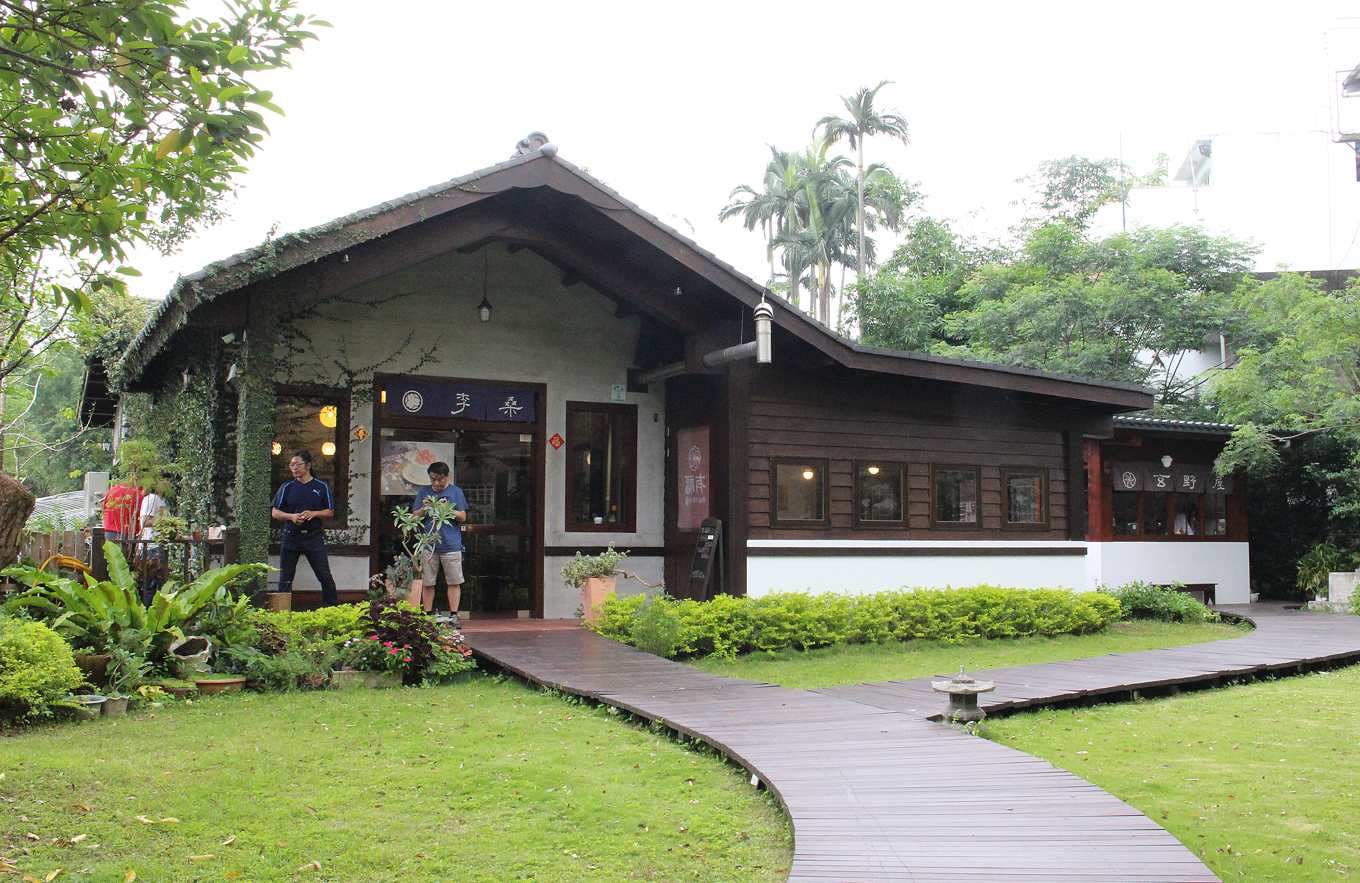
Japanese-style wooden cabins, small stone-paved paths, and elegant natural scenery. At the entrance to the grounds, signs for a kakigori shop and a cafe hang on the left, while signs for Weiyang Clinic and Youfu Feng Tea House hang on the right. "Kurono Clinic" in Luodong, Yilan, China does not look like a clinic at all; it looks more like a tourist spot for check-in photos. Patients can see a doctor in a comfortable, relaxing space, and can even drop by just to sit and chat when they have nothing else to do.
In addition to medical care, Kurono Clinic also works with social welfare organizations to help the elderly age in place at home. "The community is the arena of people's lives; we hope anything can be solved within the community." This is not just fine talk. Dr. Chen Ying-chao of Weiyang Clinic works with the Wheat Seed Social Welfare Foundation (hereafter "Wheat Seed Foundation") to connect long-term care and home-based medical resources, so that elders can grow old in the community and spend their final days at home.
Little knowledge: Long-term care (long-term care) means providing life support, assistance, social participation, care, and related medical and nursing services. The four major categories of long-term care resources include care services, medical and nursing services (reablement and nutrition, but not including home-based medical care), life support assistance (transportation, assistive devices, barrier-free homes, and financial living assistance), and social participation (support for family caregivers, community care centers, and so on).