Does eating bird's nest actually harm the ecological environment?
Whenever bird's nest is mentioned, many people still have doubts about whether eating it is unfriendly to ecological conservation, but in fact, the way modern bird's nests are harvested has already changed, and it does not harm the ecological environment.
The form of modern bird's nest harvesting: house nests replace cave nests, reducing environmental damage
Bird's nest mainly refers to the nests of swiftlets, woven from the gelatinous saliva secreted by swiftlets. Swiftlets are small birds that live on the tropical islands of Southeast Asia, and a swiftlet takes about 35 days on average to build a nest. The swiftlet's nest is a temporary tool for laying eggs, and after the young birds hatch and fly away, the swiftlets will abandon the nest and leave. Today, bird's nest harvesting is regulated; only after confirming the swallows have left the nest will the nest that the swallows no longer need be taken. As long as it is harvested properly, it is actually beneficial to the ecology!
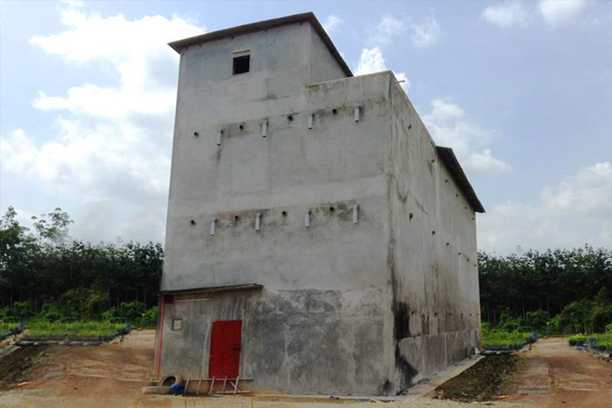
Bird's nests are divided into house nests and cave nests according to the production location and harvesting method。
1.House nests
The exterior of a swiftlet house is no different from an ordinary house, while the interior simulates the humid and dark environment of a cave, with many entrances, exits and vents set up so that the swallows can easily enter and leave the swiftlet house through these openings and keep the indoor air flowing; it even simulates the sounds of nature and of swallows to attract swallows to come and live there.
Swallows breed through inbreeding, so as soon as the environment becomes poor or a nest and young swallows go missing, the news spreads widely among the swallow flock, and then the whole flock will leave together and never return, so swiftlet houses must be managed and protected very carefully so that the swallows can live there with peace of mind.
Because the swallows build their nests indoors, it is easy to judge the situation inside the nest at harvest time, and the bird's nest is only harvested after confirming there are no eggs, or that the swallows have already hatched and left the home.
2.Cave nests
Cave nests refer to the nests that swallows build on stone walls or in rocky caves; bird's nests from these contain more impurities than house nests, and their main production areas are Vietnam and Thailand, with output in modern society already becoming increasingly scarce. During the harvesting of cave nests, because the bird's nests are built high up in mountain caves, it is very difficult to tell whether there are unhatched swallow eggs in the nest, which may cause the eggs to be destroyed, so there are concerns about inhumanity.
Today, artificial "swiftlet houses" are mostly used to create the environment most suitable for swallows to live in, attracting wild swallows to come here to live and reproduce. By providing swallows with an excellent and safe environment for growing and nesting, after the young swallows hatch and leave the nest, the bird's nest left behind is already waste to the swiftlets, who will not return to live in it, and only then is it taken down.
There is now regulation of bird's nest harvesting: only after the swallows have left the nest is the nest that the swallows "do not need" taken down to be made into bird's nest for consumers to eat. Swiftlet farmers must also take greater care to provide a comfortable environment, so that more and more swallows are willing to come and build their nests. This is unlike the dangerous and environmentally unfriendly harvesting of cave bird's nests in the 20th century, because cave nests are built by swallows on steep cliffs, so first, the nest collectors themselves are in considerable danger, and second, after the hard climb up the rock face, the collectors often pay no attention to whether there are still young swallows in the nest and simply take the bird's nest down, which is not only environmentally unfriendly but also harms ecological conservation.
Mutually beneficial coexistence with humans; the modern bird's nest industry values sustainable ecological development
In recent years, bird's nest merchants have valued the sustainable development of resources and cooperated with swiftlet houses in Malaysia and Indonesia, achieving a mutually beneficial coexistence! So there is no need to worry too much about ecological conservation. As calls to protect nature grow louder, the swiftlet house invented by Chinese people has emerged.
Animals also have habits; if the process of nesting and hatching in a place does not go smoothly, they will not return to the same place to nurture life when the next production season comes, and the house nests there will not have abundant output either. So, swiftlets are the breadwinners of swiftlet farmers; only after the young swallows hatch, learn to fly and leave the nest is the bird's nest taken down for use.
Modern swiftlet farmers use "swiftlet houses" to provide swiftlets with a better environment for reproduction and let them nurture the next generation, so eating bird's nest does not harm the precious ecological environment.
For more knowledge about bird's nest, please refer to: http://bit.ly/2XQYoL5
Thanks to Run Bird's Nest for providing the related information: http://bit.ly/2Y9gqMw