How to mix soil for sowing succulents? Three soil formula recommendations
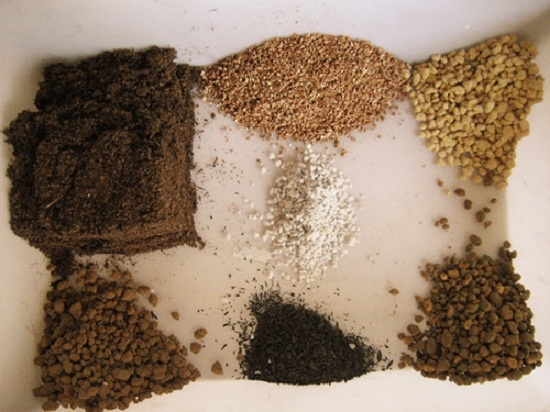
Soil mixing for sowing succulents
Option one:1 part peat soil, 1 part vermiculite (1-3 mm), 1 part perlite (1-3 mm), mixed in a 2:1:1 ratio.
This method is super simple, super cheap, and super easy to use, as verified by countless people.
Option two:1 part peat soil, 1 part honeycomb coal ash (1-3 mm), mixed in a 1:1 ratio.
The advantages of this method are: super cheap, super simple. What is rather tormenting is that coal briquette stoves are not common now; even after finding honeycomb coal ash, you still have to crush it yourself, sift it with a sieve yourself, and soak it yourself.
Option three:Peat soil, rice husk charcoal, vermiculite (1-3 mm), perlite (1-3 mm), akadama soil (1-3 mm). Mixed in a 3:1:1:1:1 ratio.
This method is simple to prepare, and the cost is a little higher than method two. In practice, the seedling emergence rate is almost the same as method two. The only difference from method two is that it feels psychologically better, after all, my soil uses a bit of high-grade planting material, and after all, my soil has added rice husk charcoal rich in nutrients.
In fact, slightly observant flower lovers will notice that no matter which method is used, the ratio of the above soil to granules is 1:1. You can try adjusting to a 6:4 ratio of soil to granules, or a 4:6 ratio. As for the currently popular Japanese-style planting materials such as Kanuma soil, Kiryu sand, Hyuga stone, and so on, once you have used them you will know that they are actually fine to skip, and it is better to use coconut coir, river sand, volcanic rock, maifan stone, charcoal granules, orchid stone, and so on.
Soil disinfection for succulents
Regardless of which soil formula is used, it is recommended that after mixing the soil, you add a small amount of water and stir it, then put it into a fresh-keeping bag, do not tie the opening, and place it in a microwave oven on high heat for 10 minutes. Doing so can effectively kill insect eggs, grass seeds, and bacteria in the soil. This is much better than the effect of soaking with chemicals such as carbendazim.