What is the flower language of lemon balm? Let us guide you through the world's flower language knowledge
Lemon balm, a member of the Lamiaceae family, is often mistaken for mint. It can be found in the Middle East, Asia, and Mediterranean countries, and is a common herb in Europe. In its scientific name, melissa means bee, so it is also called "bee balm". In fact, its flowers are not large, but their nectar is very sweet and fragrant. It is said that Jupiter, the Roman god of thunder, grew up drinking this kind of honey, and the Greeks and Romans also enjoyed this beverage.
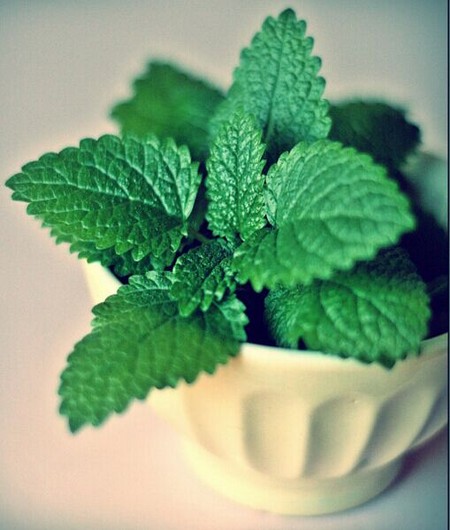
Lemon balm is known for being very rich in vitamins and has a slight lemon flavor. Brewed as a tea, it can reduce fever, and in the summer when heatstroke is common, it can replenish strength and relieve internal heat. It also has a calming effect. In traditional Western herbalism, it is often used to soothe stomach discomfort or sleep disorders, because its aroma and chemical components can quickly bring people into a relaxed state. In ancient European herbalism, lemon balm was even regarded as a panacea, because many illnesses are actually related to the gastrointestinal tract, so lemon balm, which can soothe gastrointestinal problems, was also regarded as a life-saving herb, showing its high medicinal value.
In magic, lemon balm is believed to be connected with Jupiter, symbolizing the good luck and abundance that Jupiter brings. When you feel that your luck has been poor recently, you might as well brew yourself some lemon balm tea and let its sweet fragrance, full of relaxing energy, enter your body. It will help you gradually let go of worries and heavy burdens; slowly, troublesome matters will become fewer and fewer, and your luck will naturally become better and better.
The flower language of lemon balm: giving you the warmest care
Even if you have never grown flowers or plants, the moment you see lemon balm you will have an urge to take it home. Its fresh and lovely leaves and its faint lemon-like fragrance are extremely tempting and stir up your desire to possess it. o(╯□╰)o Even bees are deeply attached to it, and that is how lemon balm got its name.
Lemon balm originates from the Mediterranean region. In Greece, lemon balm has been regarded as a sacred plant since ancient times, an incarnation of the moon goddess Diana, and was cultivated around temples. People believe that lemon balm can raise energy, drive away sorrow, and dispel darkness.
Folk legends throughout Europe also say that planting lemon balm at the door can ward off evil; pictures drawn with its juice can attract bees. So lemon balm can be seen everywhere in Greeks' small gardens.
Perhaps you do not yet know that lemon balm also has another name: the drug-absorbing herb. A single pot of lemon balm placed indoors for just three hours can eliminate 92.4% of formaldehyde within an 8 sq m area, and within 72 hours it can eliminate 98.5% of formaldehyde. In addition, for benzene, toluene, and xylene, these organic volatile compounds, lemon balm can eliminate 84.8% within 72 hours. Lemon balm can also release negative ions very quickly, and has the effect of sterilizing, killing viruses, and freshening the air.