Why are succulent leaves wrinkled? Finding the cause from the plant's habits
For succulents grown in pots, as long as the plant is growing normally, they often display impressive ornamental value, giving the overall impression of a full plant shape with thick, plump, exquisite and lovely leaves. Once the plant shows signs of poor growth, it is mostly reflected through the leaves. One phenomenon that succulents are quite prone to is wrinkled leaves, which looks very unattractive.
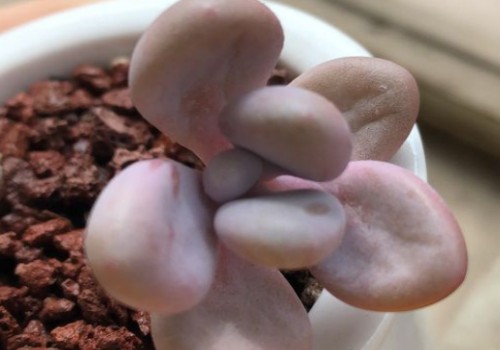
When potted succulents develop wrinkled leaves, usually the leaves will fall off at the slightest touch in this condition. This not only lowers the ornamental value of the potted plant but also affects the plant's normal growth. So, why are succulent leaves wrinkled? What causes it?
When succulent leaves become wrinkled, it is generally because the plant has not received a timely water supply and has consumed the water previously stored in its own leaves; when the water content in the leaves decreases, they naturally appear wrinkled. This is a sign of dehydration in the plant, and we need to rescue it promptly. But first we must find the cause of the dehydration.
When many gardening friends encounter the phenomenon of wrinkled succulent leaves, the first thing they think of is lack of water, so they water it thoroughly to let it drink its fill as quickly as possible. Sometimes this may indeed work, and the plant quickly unfurls its leaves and they become plumper and plumper, but sometimes it may make the wrinkled leaves even worse.
When a succulent lacks water, if the root system is intact, watering it thoroughly will generally restore it to a normal growth state quickly. But if the potting soil is compacted and has poor permeability, or the roots have already been damaged, then watering it heavily at this point will not only prevent the roots from supplying water normally but will also make the leaves dehydrated and wrinkled even more severely.
So, when you encounter wrinkled leaves on a plant, although it is a sign of water shortage and dehydration, we should not water blindly. Instead, we should investigate whether it is poor soil permeability preventing water from penetrating the soil, or damaged roots preventing normal absorption and supply of water.
It can be said that the main cause of wrinkled succulent leaves is lack of water, and the main cause of the lack of water is that the roots cannot normally absorb and supply water, and the reason the roots cannot absorb water may mainly be that the potting soil is too compacted and has poor permeability, preventing water from penetrating the soil, or that the roots are damaged.
Therefore, in order to save the plant and let its leaves grow back into that lovely plump shape, we first need to determine whether the potting soil is too compacted or the plant's roots are damaged. But whether the potting soil is compacted or the plant's roots are damaged, it is recommended to change the soil and replant in the pot. But if it is root rot, be sure to handle it scientifically according to the root rot procedure. That is, the process of removing it from the pot, trimming the roots, sterilizing, drying the roots, and repotting. After that, provide it with a good environment suitable for acclimatization, and do not rush to water, so it is best to use moist soil when repotting.