Reasons Why Azaleas Don't Bloom or Bloom Sparsely, and How to Fix It
Potted azaleas are not easy for many gardening friends to keep alive, let alone keep thriving. If you want them to bloom on schedule with an abundance of large, gorgeous flowers, the effort required may be greater than for other potted flowering plants. There is no doubt that azaleas are at their most ornamental when in bloom, but sometimes we may also encounter situations where azaleas don't bloom or bloom sparsely, or where the flower quality is poor. So, what causes azaleas not to bloom or to bloom sparsely? And how should we deal with it?
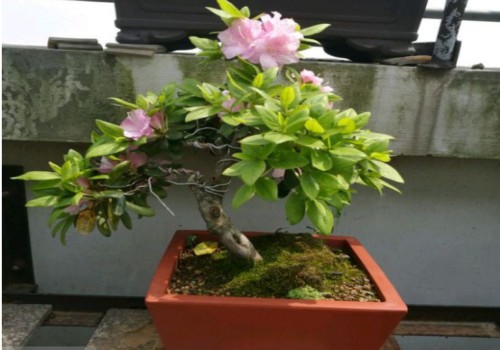
To figure out the cause, we need to compare the azalea's growth habits with the growing environment and care methods provided, checking them one by one, so we can pinpoint the root of the problem. Then, based on the cause, we can promptly adopt the correct responses and remedial measures, so as to improve the situation and get the azalea to bloom the way we want. Today, the editor will discuss with you the reasons why potted azaleas don't bloom or bloom sparsely, and the corresponding solutions.
1. Unsuitable Temperature
Azalea flower buds and leaf buds each emerge under different temperature conditions. Generally, the temperature during flower bud differentiation is relatively low, while the temperature required for leaf buds to sprout is relatively high. If the temperature is too high during flower bud differentiation, a large number of leaf buds may appear, and nutrients will naturally be supplied mainly to the leaf buds. When the temperature is too high and nutrients are insufficient, it is naturally difficult for flower buds to differentiate.
For this reason, many gardening friends like to move azaleas indoors for care in winter, but they must be sure to control the temperature well, especially during flower bud differentiation, keeping the temperature as stable as possible at around 10°C to promote flower bud differentiation. Alternatively, when spring arrives, if too many leaf buds sprout, appropriate bud thinning is also needed to reduce nutrient consumption and prevent leaf buds from competing with flower buds for nutrients, thereby ensuring that flower buds can mature and develop.
2. Dry Environment
Although the azalea's root system consists mostly of fibrous roots and does not tolerate waterlogging, it prefers a moist growing environment. Not only does the potting soil need suitable moisture, but the relative air humidity must also be adequate. If we focus only on maintaining soil moisture while neglecting air humidity, when the air is too dry, it will also affect the plant's normal growth. Especially during the bud stages, the buds may dry out, shrivel, and drop because air humidity doesn't meet the requirement, and then of course they won't be able to bloom successfully later on.
To solve the environmental humidity problem, in addition to watering promptly and in appropriate amounts, you also need to spray water on the plant and surrounding environment more often to raise air humidity. Especially during the bud stage, it is recommended to water the plant once a day and spray 2-3 times a day, including spraying the space around the plant. If it rains, we can take the opportunity to collect some rainwater for later use; watering azaleas, which are acid-loving flowering plants, with rainwater is very beneficial to their growth.
3. Too Much Fertilizer and Water