A Detailed Guide to Succulent Leaf Cutting Propagation
Leaf cutting is one of the most important artificial propagation methods for succulents. This article will mainly introduce the specific issues involved in the succulent leaf cutting process, including preliminary preparation work, points to note, the specific steps of leaf cutting, and later care issues. It will also introduce the types of succulents suitable for leaf cutting, and we hope it will be helpful to everyone in the actual leaf cutting process after reading.
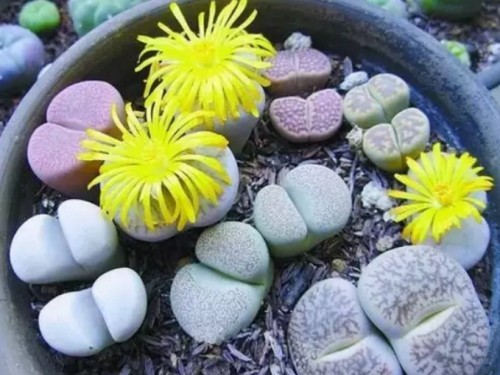
The seasons suitable for leaf cutting are generally spring and autumn, with temperatures between 10—28 degrees being more suitable. In summer and winter, as long as the temperature is suitable, you can also try, but the success rate will be lower. Below we will introduce the methods and steps of leaf cutting in detail:
First, leaf cutting requires fresh leaves
When we normally move flower pots or care for plants, we inevitably knock off some leaves. At this time, do not throw them away; you can collect them for leaf cutting. One leaf can produce many offspring. Of course, you can also twist off fresh leaves for leaf cutting and experience this long yet enjoyable process.
Points to note here: the leaves should be as healthy as possible. Wilted or transparent leaves will greatly reduce the success rate of leaf cutting. If picking fresh leaves, be sure to pay attention to the method. Gently twist left and right to remove them without damaging the main body of the plant.
There are also several points to note about the removed leaves:
1. They cannot be washed with water or soaked
2. Avoid contamination of the base of the removed leaf, because new buds grow from the base. If it is accidentally dirtied, wipe it off with a soft cloth or toilet paper.
3. The leaves cannot be exposed to direct sunlight
Second, put soil suitable for leaf cutting into a seedling tray