In Pingxi, long-term care shines brighter than sky lanterns: an aging small town becomes a place the elderly love
(Continued from previous article) Sky lanterns rise slowly over Pingxi, making this place seem like a town full of hope, with people from all over the world traveling here to pray for good health and smooth sailing in all things. But Pingxi locals can only leave their hometown to make a living, and the elderly who remain face lonely daily lives, very few newborns, and sky lanterns scattered with fire. How does Pingxi, the oldest township in Taiwan, China, face the challenge of elder care?
Pingxi's population is severely imbalanced: the proportion of elderly people has surged, and only three children enrolled in elementary school
The Wheat Seed Social Welfare and Charity Foundation, which has long promoted elder care in remote areas, entered Pingxi three years ago. Liu Jingfang, director of the Wheat Seed New Taipei Service Center, initially thought that because Pingxi is a famous tourist attraction, many young people should remain there. "But when we entered, we really felt it was terrifying! The place is really so old!" It was almost impossible for staff to find people locally, transportation in nearby areas was inconvenient, and the lack of manpower made it difficult to get things done locally.
"Pingxi is aging, and its population structure is severely imbalanced, unlike other townships." Liu Jingfang gave an example: last year, the three elementary schools in the Pingxi area had only three first-grade students in total. In addition to being unable to retain young and middle-aged people, the birth rate is also extremely low, with a child dependency ratio of only 9.67, meaning that for every 100 adults (15-65 years old) in Pingxi, there are fewer than 10 children. "It seems Pingxi really has only elderly people and nothing else. It is a very old township." It is common for elderly people to live alone or for the elderly to care for the elderly.
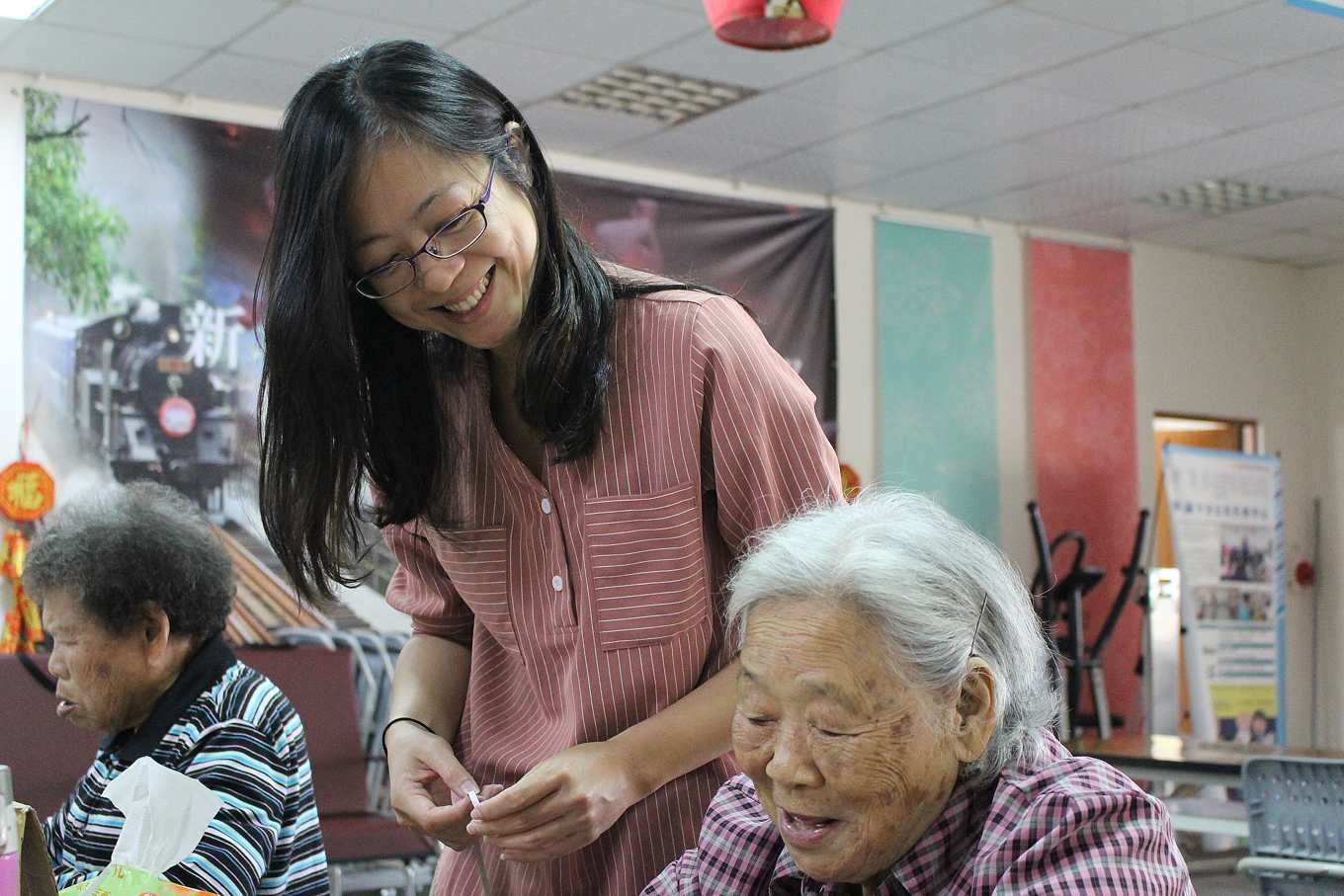
Wheat Seed: Whether in a remote area or not, we hope people can age in their hometown
Li Yuanyu pointed out that most elderly people in Pingxi are still relatively healthy and choose to live in the mountains themselves. "What is heartbreaking is the loneliness." However, after Wheat Seed entered, the situation of the elderly gradually improved. Through communal meals, activities, and gatherings, local interaction began, and elders had more places to pass the time. About six to seven hundred elderly people actually live locally, and it is estimated that at least 10% to 20% of elders participate in Wheat Seed activities.
"Serving the elderly brings a sense of urgency. How long can they wait? Waiting for their children's love, waiting for things they never enjoyed in the past, waiting for society's concern for them." Cai Bizhen said that after serving in Pingxi for three years, she has seen elders continually decline. "Are you saying we did not work hard enough? I can only say we met too late. Delaying aging must start early; the earlier the preparation, the more effective it is." Some cases had no time left at all. By the time Wheat Seed entered, the elderly were already too old, their hands and feet could no longer move, and some had even been sent to nursing homes. "So I am always in a hurry, to let the elderly experience as much as possible what they never had before."
"The elderly really need to be listened to. Sometimes we do nothing at all, just chat." Chat about life and death, about past regrets and what can still be made up for. "At the moment a person leaves, being able to change their mindset is enough. This is the value of our existence."
Liu Jingfang emphasized, "If they have to leave their hometown just because they are old, that is a comprehensive withdrawal for elders, and it is not a good thing." At the very least, community care systems in remote areas must be able to support mildly disabled elderly people so they can stay in their hometown and age well.