Is the Aurora apple a hybrid variety? Introducing a new apple variety and its nutritional features
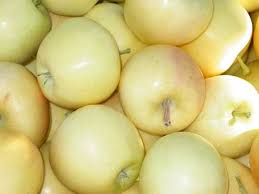
Aurora apples are medium in size and have cream-colored to yellow skin. When grown in cooler regions, these apples can develop a pink or orange blush. The flesh is very crisp, juicy, and cream-colored to pale yellow. Aurora apples are sweet, mild, and fresh, with honey and tropical notes. They are known as a great dessert apple and hold their shape well when cooked.
Seasons/Availability:Aurora apples are available from mid-fall throughout the winter.
Aurora apples are members of the Rosaceae (rose) family and belong to Malus domestica. The name of this apple was chosen in a nationwide internet “Name the Apple” contest sponsored by Agriculture and Agri-Food Canada. Aurora was developed in the Okanagan Valley of British Columbia and is a cross between Golden Delicious and Royal Gala. Aurora apples are protected by Canada's Plant Breeders' Rights regulations, which oversee all licensing and sales activities.
Nutritional Value:Aurora is a healthy apple, rich in dietary fiber and vitamin C.
Applications:Aurora is known as a “dessert” apple, meaning it is best enjoyed fresh. People can eat it on its own (perfect in a lunchbox or picnic basket), in fruit salads, on platters, and in fruit sauces. It makes a delicious and healthy snack for children, especially when paired with peanut butter. The sliced flesh browns quickly, so if it will be out for more than a few minutes, drizzle lemon juice over the slices.
This apple is a hybrid between the varieties 'Gala' and 'Splendor'. It was developed at the Pacific Agri-Food Research Centre (PARC), a leader in Canadian apple breeding in Summerland, British Columbia. The Canadian agriculture organization held a nationwide contest to name the apple and received more than 11,000 entries. The winning entry was created by a woman from Ottawa, who said the apple reminded her of the northern lights.
Although Canada was already home to several species of crabapple, it did not have the sweet apples we are accustomed to until Europeans brought them in the 1600s. Europeans started planting orchards in Hochelaga (now known as Quebec City) and Hudson Bay. In the 1800s, Canadian growers began cultivating apples seriously, creating hardy varieties able to survive the country's harsh winters. Today, Ontario is the center of Canadian orchard production, harvesting more than 100,000 tons of fruit each year. Apples are also commonly grown in Quebec, British Columbia, and the Maritime provinces.