Free Trade Zone Controversy"Opening up 830 Chinese agricultural products, passing through and becoming MIT, Chen Chi-chung: Absolutely will kill Taiwan's agriculture
KMT legislators Tseng Ming-chung, Alex Fai, and Lai Shyh-bao proposed the "Special Act for Free Trade Economic Zones" draft in early March; Kaohsiung City Mayor Han Kuo-yu recently has been actively calling out to the central government: "Kaohsiung must be the first choice for establishing a free trade zone." However, Council of Agriculture Minister Chen Chi-chung stated today (the 6th) that free trade zones would cause enormous harm to the agricultural sector, "free trade zones absolutely cannot achieve people coming in, goods going out, and everyone getting rich."
Chen Chi-chung further pointed out that free trade zones would open up 830 regulated Chinese agricultural products into the zone, enjoying exemptions from tariffs, export taxes, and corporate income tax. Food processing businesses would absolutely lean toward using low-priced Chinese agricultural raw materials, impacting domestic agriculture. Moreover, within the zone, even if Chinese agricultural raw materials are used for processing, products can still carry the MIT brand. However, food safety issues with raw materials from various countries are difficult to control, and Taiwan's MIT reputation would be greatly affected. He preliminarily estimated "the impact would be at least 79.9 billion yuan."
News glossary: The government currently regulates the import of 830 Chinese agricultural products, including staple grains: rice, corn, etc. Vegetables: cabbage, cauliflower, garlic, edamame, shiitake mushrooms, etc. Fruits: bananas, pineapples, mangoes, grapes, etc. Miscellaneous crops and specialty products: peanuts, red beans, black tea, green tea, oolong tea, etc. Livestock products: beef, pork, chicken, duck, goose, dairy products, etc. Fishery products: eel, tilapia, mackerel, abalone (nine-hole), etc., and ornamental crops, etc.
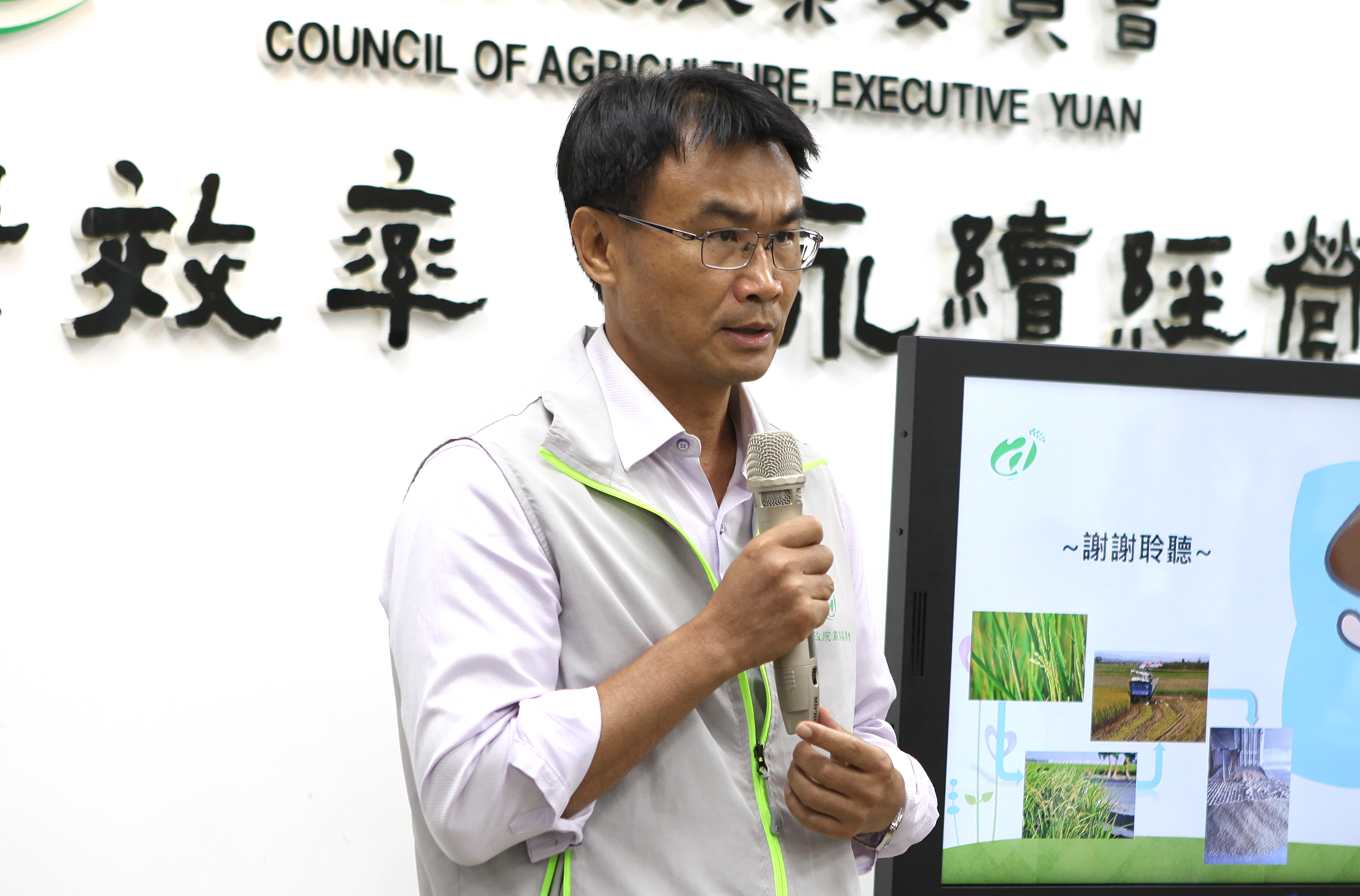
Chen Chi-chung: "The whole world will equate Taiwanese and Chinese food"
In the future, agricultural raw materials imported from China that are processed in the free trade zone can all carry the MIT label, affecting Taiwan's food reputation. Chen Chi-chung worries, "In the future, the whole world will equate food produced in Taiwan with food produced in China."
From the farmers' perspective, free trade zones harm agriculture and affect processors' willingness to use Taiwanese agricultural raw materials, and consumers are affected as well. Take peanut butter for example. It is a non-regulated product that can be sold domestically. After a free trade zone is established, peanuts imported from China would be processed into peanut butter and carry the MIT brand. Consumers would have no way to distinguish the origin of raw materials. Chen pointed out directly, "In the future, the peanuts in the peanut butter that goes with breakfast toast will all come from China. Do consumers want to eat peanut butter like that? Won't there be even more food safety concerns?"
If free trade zones are opened, the export value of agricultural products used for food processing would immediately lose 79.9 billion Taiwan dollars
The total annual agricultural output value is approximately 545.1 billion yuan, and agricultural products used for processing account for about 37% of the total output value (approximately 201.7 billion yuan). Meanwhile, the annual output value of food processing using Taiwanese agricultural products (including edible oils and fats, canned foods, frozen foods, seasonings, dairy products, etc.) is approximately 609.6 billion yuan, with an export value of 79.9 billion yuan. Chen Chi-chung emphasized that free trade zones reward exemptions from tariffs and export taxes, and domestic agricultural products will be replaced, "the impact would be at least 79.9 billion yuan."
Take tea for example. The current export value is 3.3 billion yuan. In the future, with free trade zones opened, processors could package Chinese tea and stamp it with the MIT mark, directly affecting domestic tea exports, "equivalent to an impact of 3.3 billion yuan on the tea industry." Behind every opened agricultural product affected, it represents the local agricultural products produced by farmers being impacted. "These are all victims, extremely serious."
Chen Chi-chung reiterated once again that he completely opposes establishing free trade zones, "This will absolutely destroy Taiwan's agriculture and Taiwan's brands, and cause even greater food safety problems." Politicians should not falsely use free trade economic development to carry out income redistribution. "We strongly oppose it."
Note 1:
Article 9: The new version stipulates that agricultural products manufactured or processed by the first category of designated enterprises shall be shipped to the domestic taxed area only after approval by the central agricultural competent authority.
Article 33: The old version stipulated that domestic sales exceeding 10% would be subject to corporate income tax. The new version exempts from corporate income tax those engaged in the procurement, import, storage, or transport of goods within the special zone upon review and approval by the special zone management authority, and cancels the 10% provision.
The text of Article 42 opens the special zone to all foreign agricultural products, including those regulated globally and by China, as well as any agricultural raw materials for food processing, all of which may enter domestically. If exported abroad, it is zero tariff. This is equivalent to opening up 830 Chinese agricultural products into the special zone, with all regulated products for export only, and non-regulated products allowed for both domestic and export sales.