The most disastrous spring for beekeeping! Severe natural disasters, the government rolls out multiple subsidies, beekeeper: 50 years of beekeeping and this is the worst
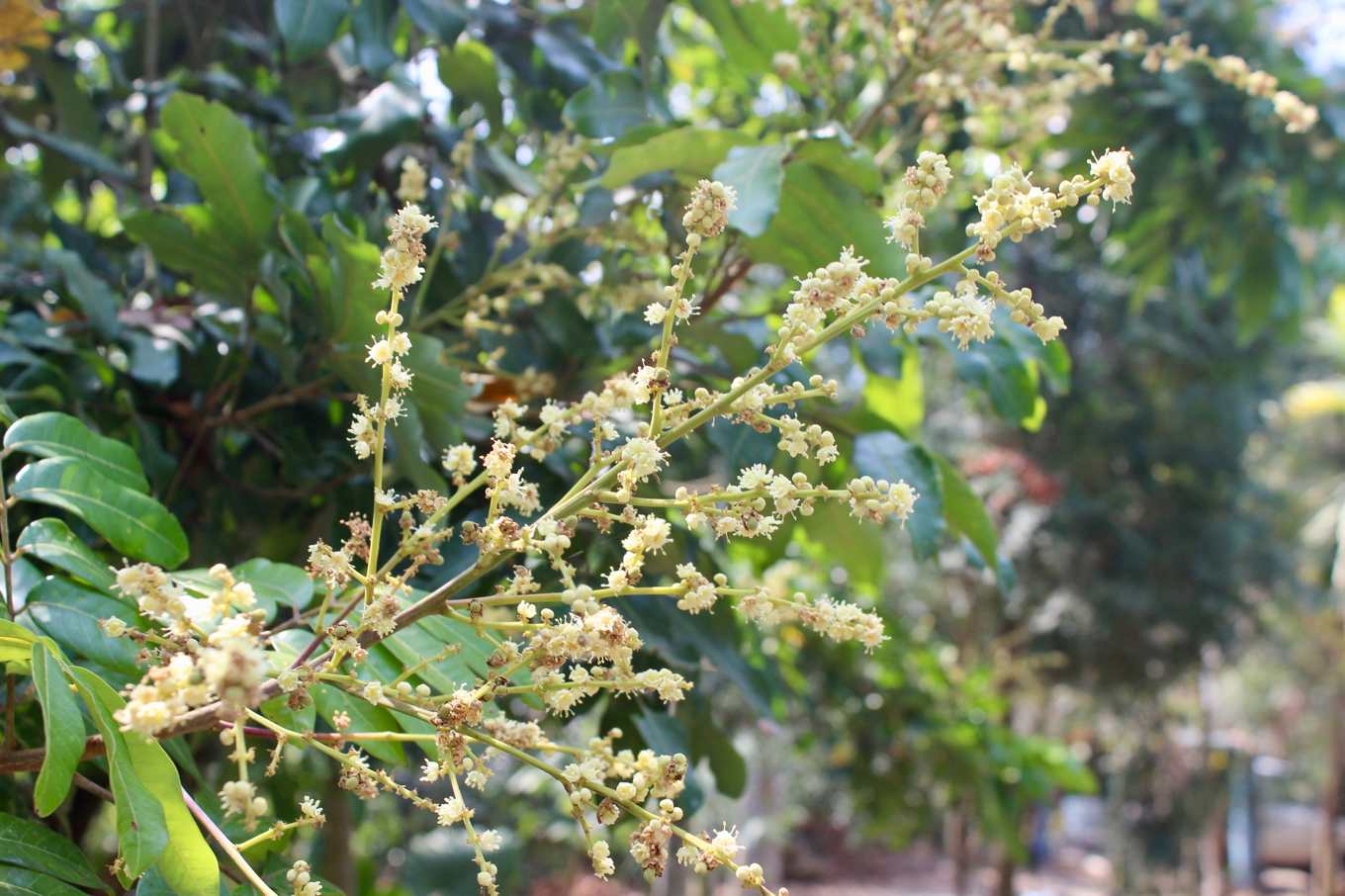
Drought struck in January and February this year, causing nectar source plants such as lychee and longan to flower at a rate of less than half, and honey production plummeted to one-tenth of previous years. In response to the natural disaster, the Agriculture and Food Agency of the Council of Agriculture, the Counseling Office of the Council of Agriculture, and the Miaoli District Agricultural Research and Extension Station (hereinafter referred to as the Miaoli DARES) have provided various subsidies, including granulated sugar subsidies to keep bee colonies alive; in addition, "bee colony relief" has been incorporated into the natural disaster relief regulations, with a subsidy of 600 yuan per hive, and declarations may be made according to the actual number of hives at a bee farm, with no cap on applications; at the same time, subsidy applications have been opened for seven types of small beekeeping machinery.
Because natural disasters are frequent and hard to predict, the Agriculture and Food Agency stated that it will launch "beekeeping industry insurance" and is currently working out the details with the Bureau of Agricultural Finance.
Beekeeping Association: Drought has harmed flowering, longan honey output is almost zero
Cheng Chin-kun, chairman of the Taiwan Beekeeping Association, said, "This year there really is very little nectar source." Due to the drought, the flowering rates of lychee trees and longan trees have both been far from ideal, and bees can hardly collect nectar. In the case of lychee trees, better areas still have 30 to 40 percent of the yield of previous years, while longan trees are in an even more dire situation, with honey production down to only 10 percent of previous years, and in some places even zero.
Huang Yuan-tsai, a beekeeper who has kept bees for nearly 50 years and mainly collects honey in Wufeng, Taichung, also sighed, "Running into a situation where not even the flowers have bloomed, this is the second time I have encountered it, and it is the most severe one." According to his understanding, longan and lychee honey in central Taiwan has had almost zero harvest, mainly due to last year's warm winter and the drought in January and February this year. He further said that this year people kept going to Wufeng to survey the flowering situation, but even by Qingming Festival there were still no flowers, so they simply did not even send out the bees, because there really was no nectar to collect.
Miaoli DARES: Providing granulated sugar subsidies to help bees stay alive
Wu Tzu-hsien, section chief of the Bee Production Section at the Miaoli DARES, explained that bees collect honey only once a year, and during the period before honey collection, beekeepers must also feed enough sugar syrup to the bees to maintain their basic needs. Generally speaking, beekeepers use granulated sugar as the source of sugar syrup to feed bees, and this is also a "necessary cost" of beekeeping. This year, because of the natural disaster, honey production has declined and beekeepers' income has been low, so a "granulated sugar subsidy" will be provided this year.
Peng Chuan-yi, a technical specialist in the Agricultural Materials Division of the Agriculture and Food Agency and the person in charge of the beekeeping industry, added that applying requires registration of the "fact of beekeeping," while the remaining required application documents and application deadline are still being worked out in detail because the meeting only discussed the direction yesterday (the 29th).
Regarding the granulated sugar subsidy, Huang Yuan-tsai said, "It does subsidize beekeepers somewhat, and it is good care." However, he also suggested that many beekeepers are currently advanced in age and do not understand processes such as applying for subsidies, filling out documents, and registering data. Although production and marketing groups in various places will also help assist, if the application process could be further simplified, it would be of greater help to the entire beekeeping industry.
"Bee colony relief" incorporated into natural disaster relief, declarations may be made according to the actual number of bees kept
Another adjustment to subsidies for the beekeeping industry is the incorporation of "bee colony relief" into the natural disaster relief regulations. Wu Tzu-hsien explained that in the past, natural disaster relief for beekeeping was often because typhoons blew down and damaged hives at bee farms, so the judgment for disaster subsidies was based only on "whether the hives were damaged or not." However, in recent years, with abnormal climate, after natural disasters such as cold damage and torrential rain, there have been more and more situations where the hives are still there but the bee colonies have died, so there is a plan to include "bee colony relief" as one of the subsidy items for natural disasters.
In addition to no longer using only whether hives are damaged as the basis for subsidies, in response to this natural disaster, the Agriculture and Food Agency also proposed an adjustment to "cancel the maximum subsidy cap."
Peng Chuan-yi explained that under the natural disaster relief regulations, hives half destroyed are subsidized at 300 yuan per hive, and fully destroyed at 600 yuan per hive, with a maximum subsidy of 49,000 yuan per site. However, according to statistics from the Agriculture and Food Agency over the past three years, the average number of hives per bee farm is 163. If calculated on the basis of fully destroyed hives (600 yuan per hive), the maximum subsidy would cover only 82 hives. In other words, bee farms with more than 83 hives would simply lose everything, and most bee farms in the country currently have more than 100 hives. Therefore, this time the cap of 49,000 yuan is being canceled, and bee farms may declare according to the actual number of hives kept.
Applications opened for seven types of machinery, subsidy amount is 1/3 of the price
In addition, for small agricultural machinery, applications are also being opened for seven types of equipment for beekeepers. These include bee brushing machines, royal jelly collection machines, honey collection machines, honey extractors, sugar mixing machines, bee feed mixers, and dryers, with the subsidy amount being 1/3 of the price. Beekeepers in need may apply to their local farmers' associations nearby.
Will honey prices fluctuate? Beekeeper: Some was kept last year
With the reduction in nectar sources, will this affect honey prices this year? Cheng Chin-kun said that because last year's honey harvest was large, beekeepers more or less kept some inventory, and according to his understanding, prices this year should not be too much higher. Huang Yuan-tsai also explained that in fact, honey harvests over the past five years have all been fairly poor, and last year was the most bountiful of the five years. Most beekeepers know they must "keep some in reserve," so prices this year should not be too expensive.