Why is rice not simple? The know-how behind a bowl of rice
Every time I go to Japan, I find that Japanese rice is so delicious. The grains are distinct, the rice fragrance is delicate and elegant, and the texture is springy and full. There are plenty of people who, drawn by how good the rice tastes, carry an electric rice cooker home with them.
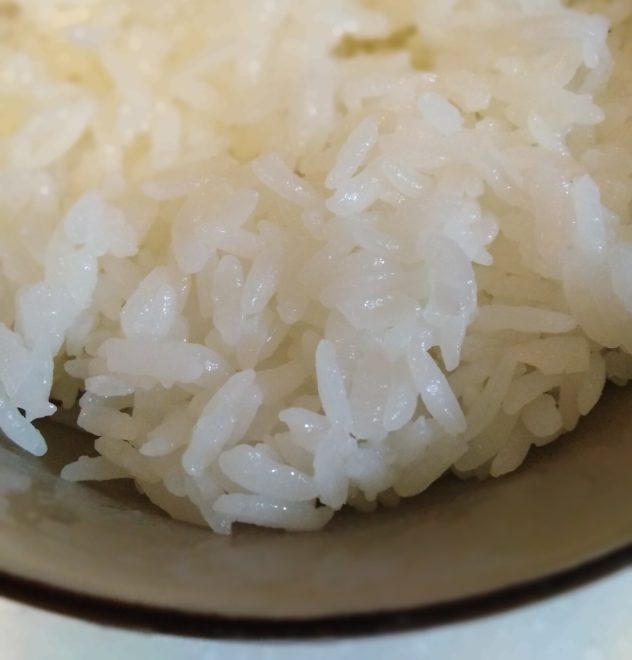
In rice you can see the wisdom of earlier generations. For example, a baby's first food is "rice broth." In an era when infant formula and baby complementary foods were not yet well developed, rice broth fed countless infants as they grew up slowly. Or again, when you are sick or your stomach and intestines are uncomfortable, it is best to eat plain congee to let the body rest. Or again, eating sweet potato congee with pickled melon and pickles in the morning, plus a fried egg, best embodies ordinary people's life while also carrying the thinking of health preservation. To us, rice is not just food; it is closely tied to the pulse of our lives.
I see such richness in rice. Although I do not farm, I carefully buy a bag of good rice and continue to pass on the rice-eating culture: rinsing the rice, washing the rice, cooking the rice. The rice fragrance that swirls every day, in the hands of a woman keeping house, is a firm and powerful gentle declaration.