Foreign agricultural workers confirmed open! Three programs: agricultural foreign labor outreach, Indonesian young farmer internship, and dairy cattle rearing set to launch in July
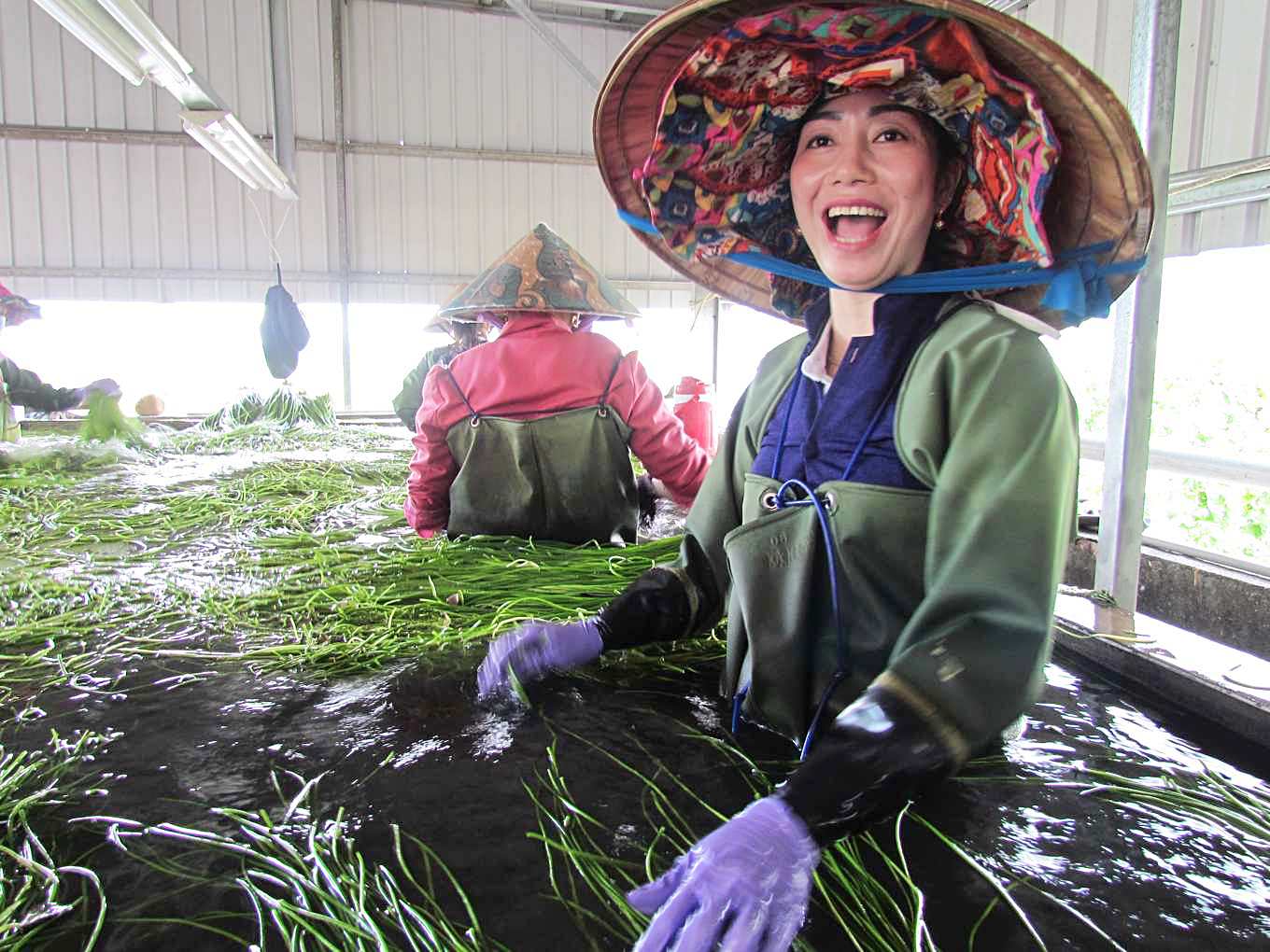
The problem of agricultural labor shortage has existed for a long time. In addition to integrating domestic labor, whether to open up the introduction of foreign workers has been a focus of attention from all sectors. At the end of March this year (2019), the Ministry of Labor passed draft regulations related to opening up foreign workers for agriculture. Tsai Pei-chun, executive secretary of the Agricultural Workforce Office under the Counseling Division of the Council of Agriculture, stated that three programs will be implemented: the "Taiwan-Indonesia Young Farmer Internship Program," "Agricultural Foreign Labor Outreach," and "Opening Up Foreign Workers for the Dairy Cattle Rearing Industry," formally opening up foreign manpower to reinforce Taiwan's agricultural workforce.
Tsai Pei-chun stated that the three programs have currently passed the draft stage, with detailed revisions expected to be completed by the end of April, and applications will begin being accepted in early May. If implementation proceeds smoothly, the three foreign manpower programs, combined with five domestic labor adjustment programs, are expected to alleviate 70 to 80 percent of the domestic agricultural labor shortage.
Introducing foreign workers is only a supplement; areas where the industry needs upgrading and counseling must still be addressed
The Counseling Division of the Council of Agriculture stated that when agricultural manpower services were being planned two years ago, foreign manpower had already been included in the plan. It was a solution to be proposed only as the last step to resolve the labor shortage, and they did not dare to introduce it rashly before trying all other options. After two years of attempts, domestic labor capacity remained insufficient, which is why the option of opening up diverse foreign manpower was proposed this year, providing farmers with more choices to alleviate manpower shortages.
Su Meng-lan, deputy director of the Counseling Division of the Council of Agriculture, stated that in the long term, they of course hope to counsel more citizens to enter agriculture, but in the short term, the labor gap still needs to be filled with the assistance of foreign workers. Currently, domestic agricultural manpower teams can only alleviate about 45 percent of the labor force. She stated that if the assistance of foreign workers is added, combined with the existing domestic manpower teams, they hope the supplementation of the manpower gap can be raised to 70 to 80 percent.
The Counseling Division of the Council of Agriculture stated that according to survey findings, there are many possible causes of the agricultural labor shortage that need to be verified. If manpower cannot be recruited due to the harsh working environment, they hope foreign manpower can temporarily alleviate this situation; if the industry is generally accustomed to using cheaper labor, merely filling manpower vacancies is not a fundamental solution. The entire industry needs to undergo upgrading and counseling, which is the true solution. Through these human resources with different functions, the government can also cross-compare to identify the true main cause of the domestic agricultural labor shortage.