What are the uses and benefits of asparagus fern? A comprehensive analysis in one article
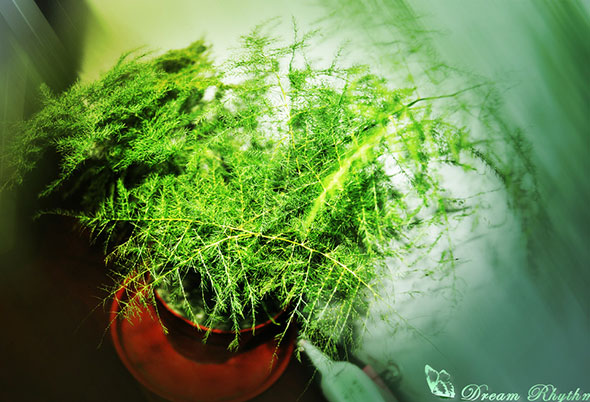
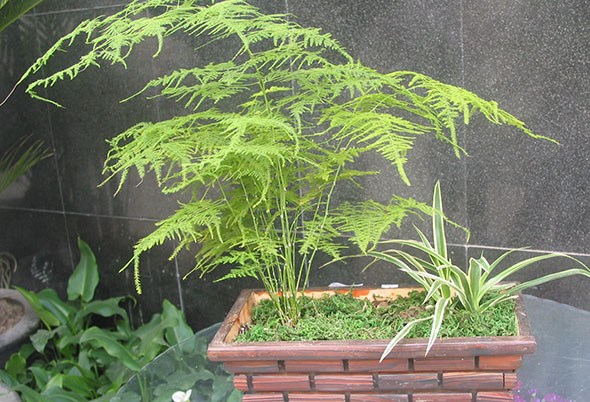
Asparagus fern, also called cloud pine, is a common perennial herbaceous plant and a well-known ornamental plant. It is often grown in pots and placed at home or in the office, making the space feel very warm and solid. Besides these ornamental uses, what other uses does asparagus fern have?
[Recommended reading] How to prune asparagus fern How to grow asparagus fern Benefits and uses of rosemary How to grow hydrangea
Uses and benefits of asparagus fern:
……………………………………………………………………………
1. Uses of asparagus fern
……………………………………………………………………………
Asparagus fern, also known as cloud pine, thorny asparagus, and cloud bamboo, is an evergreen foliage plant with high ornamental value. It belongs to the genus Asparagus in the Liliaceae family. The roots of asparagus fern can be used as medicine, have effects in treating acute bronchitis and relieving cough, and have the benefit of moistening the lungs. It is mainly grown in pots for its foliage, and is also an important cut-foliage material.
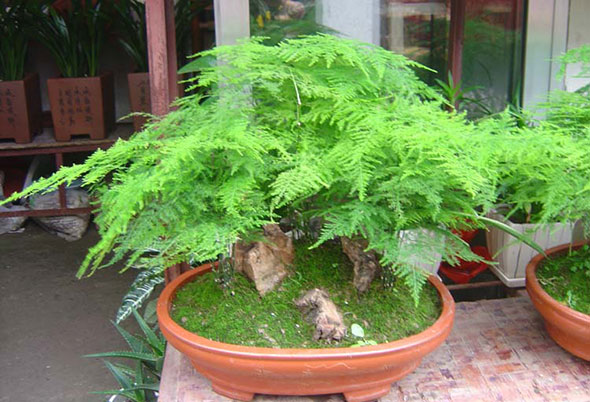
Asparagus fern is said to improve cultural refinement, and it can have a certain regulating effect on people with liver disease, mental depression, and low mood. At night, besides absorbing harmful gases such as sulfur dioxide, nitrogen dioxide, and chlorine, asparagus fern can also secrete gases that kill bacteria, reducing the occurrence of infectious diseases such as colds, typhoid, and laryngitis, which is greatly beneficial to human health.
2. Benefits of asparagus fern
……………………………………………………………………………
What are the benefits and uses of asparagus fern? The editor continues to explain. Asparagus fern tastes bitter, but good medicine tastes bitter. It indeed has the benefits of cooling blood and detoxifying, and promoting urination to treat strangury. The usage is to take 5-8 qian of asparagus fern, decoct in water and take with rock sugar. How do you identify the roots of asparagus fern?
The surface is yellow-white, with wrinkles of varying depth, and slender branch roots. The texture is relatively flexible and not easy to break, and the cross-section is yellow-white. The odor is slightly fragrant, and the taste is bitter.
[Further reading]
· What types of orchids are there · What plants are good to put in a newly renovated house · Benefits and uses of gardenia · How to grow potted carnations
· Introduction to indoor cultivation and planting techniques for gardenia · Appreciation of pictures of colorful sunflowers · How to grow snake plant