How to plant roses? Introduction to rose cultivation techniques
Introduction: How to plant roses? This is the topic that every rose lover cares about most. When it comes to roses, no one is unfamiliar with them, because their scent and flower colors are always unforgettable. Roses like plenty of sunlight, tolerate cold and drought, and prefer well-drained, loose, fertile loam or light loam; they grow poorly and bloom poorly in clay loam.

Roses are mainly propagated by division, and can also be propagated by layering and cuttings. One year before division, apply sufficient fertilizer near the root zone of the mother plant and water it, while keeping the soil loose and moist to promote abundant tillering at the roots. Because roses have a very strong tillering ability, the mother branches tend to wither after each new branch grows, so the young shoots near the root zone must be transplanted elsewhere in time so that the mother plant can still grow vigorously.

For layering propagation, during the plum rain season from June to August each year, select vigorous current-year branches, bend them into the soil, notch the buried part, insert a clod of soil into the wound, bury it in the soil, and fix it with a bamboo fork or tree branch, leaving the shoot tip exposed above the ground. Keep the soil moist; roots will form in 2 to 3 months, and in the following spring it can be separated from the mother plant and planted separately.
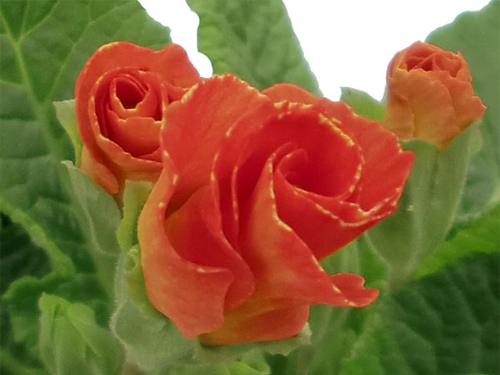
For cutting propagation, before budding in early spring, select healthy 1-year-old branches free of pests and diseases, cut them into cuttings about 20 cm long, insert them diagonally into a cutting bed made of fresh river sand to a depth of 12 to 14 cm, press firm and water, and keep the sand bed temperature constant. Roots form after about 30 days, and they are transplanted after sprouting.

Plant out after new buds sprout in early spring until March. Seedlings should be transplanted with a soil ball; it should not be done too late, otherwise they will not easily survive. If transplanted after leaf fall and before sprouting the following spring, the seedlings can be dug up bare-rooted without a soil ball, but the lateral roots should be no less than 20 cm long, otherwise they will not easily survive. That is all for the introduction to rose planting techniques. I hope beautiful flowers will bloom.
Recommended reading: Potted fruit trees in golden autumn season; Mulberry planting and cultivation agricultural techniques