How to grow poinsettia? A detailed guide to its cultivation methods
█ Schlumbergera cultivation >> Schlumbergera pictures, how to grow Schlumbergera at home
█ Snapdragon cultivation >> Daily snapdragon cultivation methods and precautions
█ Coconut palm cultivation >> Cultivation methods and precautions for the parlor palm
In our daily lives today there is a plant flower called poinsettia. This is a very unique color-changing foliage plant; the color of its leaves is usually red rather than the green of other plants, so it looks very distinctive. It attracts the curiosity and affection of many people. So at this point, how do you grow poinsettia, and what are the cultivation methods for poinsettia? Below let us take a look at the cultivation methods for poinsettia.
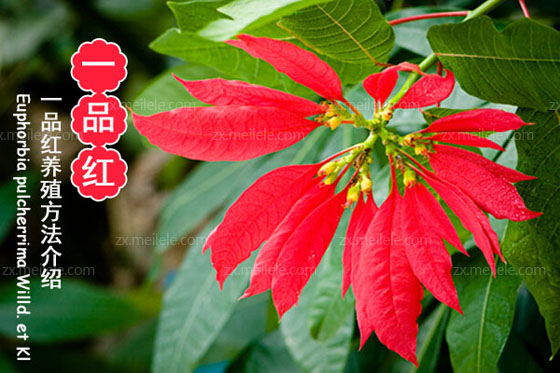
¤ Introduction to poinsettia
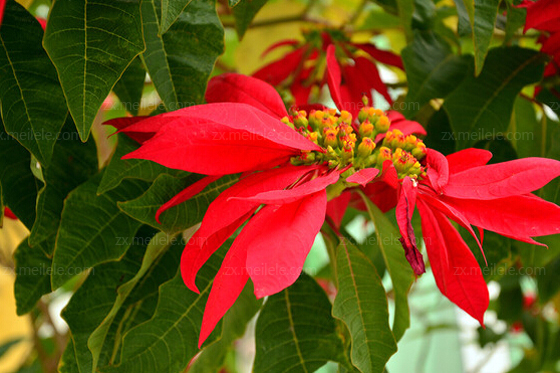
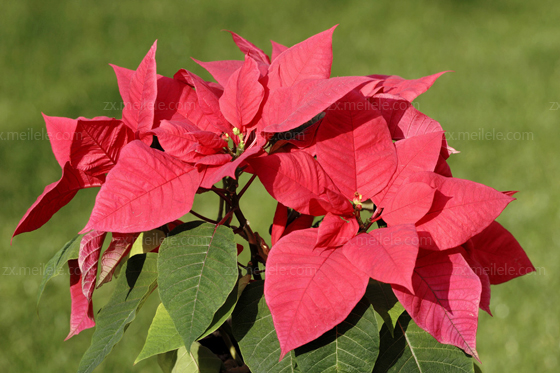
Poinsettia, scientific name Euphorbia pulcherrima Willd. et Kl, is also often called Christmas red or ivory red, among other names, and is a shrub plant of the genus Euphorbia in the family Euphorbiaceae. The plant is native to the tropics and subtropics of Central America and is a very unique foliage plant. In poinsettia, the red part is its leaves. Compared with the usual red flowers and green leaves, the biggest difference of poinsettia is that the plant's leaves are red, which looks very unique and bright. The flowering and fruiting period of poinsettia is from October of the previous year to April of the following year. When it blooms, several inflorescences of the plant are arranged in cymes at the top of the branches, and the leaves are alternate, ovate-elliptic, long-elliptic, or lanceolate.
¤ How to grow poinsettia
Usually there are very many methods for cultivating poinsettia, among which the two most common methods are cutting propagation and layering propagation. Cutting propagation, as the name suggests, is a method of selecting healthy poinsettia branches for propagation. Planting its healthy young shoots in a loose, breathable mixed soil with good drainage allows them to survive quickly. Layering propagation generally uses the air layering method, selecting healthy branches from the previous year that have already become woody in the poinsettia for propagation. Both the upper and lower ends of the branch need to be tightly tied with string, so that the branch's medium will not dry out quickly, and the plant can then survive quickly.
¤ Cultivation methods for poinsettia
1. Watering and fertilizing
Plant growth cannot be separated from water and nutrients, so when cultivating poinsettia you must always pay attention to the plant's watering and fertilizing. In terms of watering, poinsettia is neither drought-tolerant nor moisture-tolerant, so watering must be done appropriately; the amount cannot be too much or too little, and it needs to be watered according to the weather at the time, the moisture condition of the potting soil, and the specific water needs of the plant's growth. Usually, the best situation is when the potting soil is moist but not waterlogged. In terms of fertilizing, poinsettia relatively likes a fertile living environment. When the plant is growing and flowering, its fertilizer demand is relatively large, and it needs to be fertilized once every half month. Applying diluted, fully decomposed sesame paste residue liquid fertilizer is enough. At the same time, after autumn begins it can be fertilized once a week until the flower bracts change color.
2. Temperature and light
Poinsettia is native to tropical or subtropical regions and likes a warm environment. It is very afraid of severe cold, so during cultivation, temperature is a very big challenge. Especially every winter, when the climate is cold and the temperature is low, by September in autumn poinsettia can no longer endure the cold, so at this time it needs to be placed indoors for cultivation. At the same time, the temperature for plant growth also needs to be controlled at around 15 to 20 degrees Celsius, so that poinsettia can successfully overwinter. In terms of light, poinsettia has strong phototropism and needs sufficient light all year round. When cultivating it, it needs to be placed in a place with soft light and sufficient illumination; 8 to 9 hours of light per day is very good.
3. Soil and pinching
At present, the main way people cultivate poinsettia is still in soil, so when cultivating poinsettia you still need to pay attention to the plant's soil issue. Usually poinsettia relatively likes to grow in loose, breathable soil with good drainage. You can mix and prepare garden soil, humus soil, leaf mold, fully decomposed cake fertilizer, and cinder together. The soil prepared in this way is very fertile and conducive to the plant's rapid growth. In addition, after the plant has been planted for a period of time, poinsettia will grow a root system. At this time, you need to pay attention to pinching. When pinching, just leave 4 or 6 leaf nodes, which helps maintain the neatness and fullness of the plant and makes the plant more beautiful.
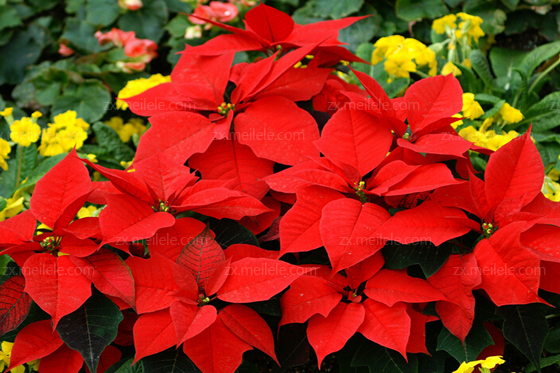
Conclusion: Poinsettia is a very attractive foliage plant, and daily cultivation is relatively simple. However, flowers need people's careful care to become more beautiful, so it is better for everyone to put in more thought.
[You may be interested in]
☑ Effects and benefits of mint ☑ Effects and benefits of Polygonatum odoratum ☑ Silk quilt ☑ Latex pillow ☑ U-shaped pillow
☑ Cultivation methods for hyacinth ☑ Cultivation methods for narcissus ☑ Memory pillow ☑ White peony ☑ Gemstone flower