A Detailed Guide to the Placement Feng Shui and Benefits of the Golden Barrel Cactus
The cactus, commonly known as the ball cactus and also called the long-blooming ball, is drought-tolerant and generally grows in hot, dry, and rain-scarce desert regions. The main growing season of the cactus is summer, which is also its peak blooming period. There are many varieties of cactus, such as the short-spined ball, Yuweng, long-blooming ball, vigorous ball, Golden Barrel, and White Snow Light, among many others. Today I will explain the benefits of the Golden Barrel Cactus for indoor environments and some of its other feng shui effects.
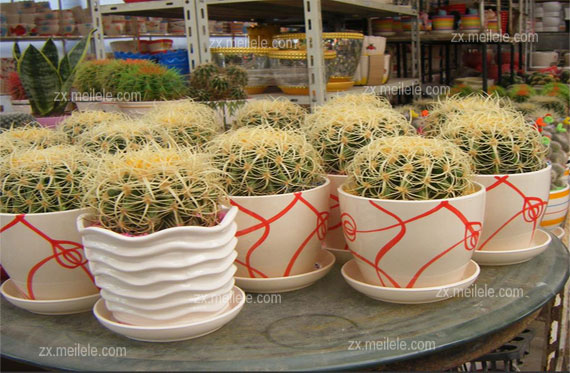
Reasons for Choosing the Golden Barrel Cactus Indoors
Appearance Is Well-Liked: The Golden Barrel Cactus is a relatively common plant decoration. Because of its petite and cute appearance, many people, especially the younger generation, very much like to use it as a decorative ornament. Placing one pot on a balcony or in an office is both attractive and beneficial to physical and mental health.
Radiation Protection: Green plants all carry out photosynthesis under sunlight, and the Golden Barrel Cactus is no exception. While absorbing carbon dioxide, it can release a large amount of oxygen, increasing the concentration of negative ions and oxygen content in indoor air. The Golden Barrel Cactus also has the effect of absorbing electromagnetic radiation. Placing this plant near electrical appliances at home or in the office can effectively reduce electromagnetic radiation pollution produced by various electrical and electronic products and reduce the harm of radiation to the body.
Absorbing Dust: Do not underestimate the Golden Barrel Cactus; it is also an expert at absorbing dust. It can absorb suspended dust of PM2.5 in the air, thereby purifying the air. Therefore, the Golden Barrel Cactus is the best choice for home and office decoration.
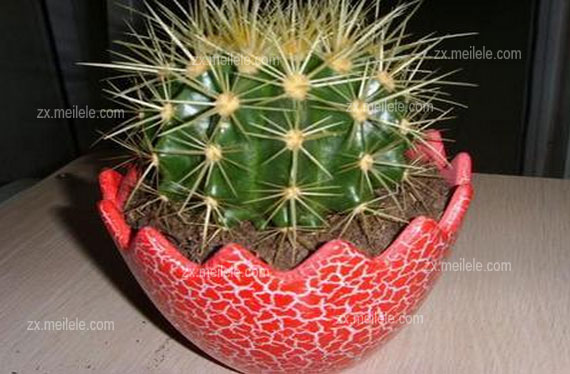
Placement Feng Shui of the Golden Barrel Cactus
Home Placement Feng Shui: There are also many particular rules in feng shui for placing the Golden Barrel Cactus. In feng shui, the cactus is a plant that carries a certain amount of negative energy and should not be placed too close to the body, otherwise it will repel one's own energy field, causing one's fortune to decline and matters to encounter obstacles. Therefore, it is best to place the cactus near the balcony. The Golden Barrel has the symbolism of warding off evil and protecting the home; it symbolizes that when the Golden Barrel guards the home, evil spirits cannot invade. It prevents external attacks on the home, and with its hard outer spines, it can resist all external attacks. It has the function of dissolving negative energy and keeping the home peaceful.
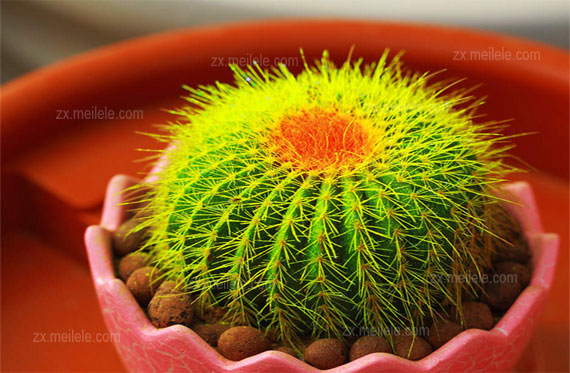
Office Placement Feng Shui: Placed in the office, it has the effect of preventing petty people and gossip and strengthening one's resistance, so in most offices you can see people placing Golden Barrel Cacti. The Golden Barrel Cactus itself has a relatively strong defensive nature. If placed in the bedroom, it affects family and marital harmony, causing frequent quarrels and gossip between the couple. The bedroom is a place of intimacy, so it is not suitable to place this kind of plant there, as it will create a repelling energy field.
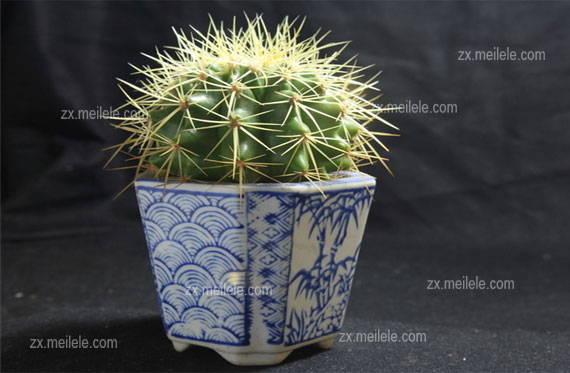
Summary: A small pot of Golden Barrel Cactus actually has great benefits. It can help us improve home air, resist the radiation of daily electronic products, and also have the effect of securing the home and warding off evil. The above is a brief introduction to the feng shui placement of the Golden Barrel Cactus. I hope it can be of some help to everyone regarding placement positions and avoid unnecessary placement feng shui bringing bad fortune to oneself. To learn more about home feng shui knowledge, please stay tuned to home feng shui information.
[You May Be Interested]
☑ Office Feng Shui ☑ Home and Feng Shui ☑ Yellow Crystal Pixiu ☑ Benefits of the Money Tree ☑ Office Flower Placement Feng Shui
☑ Auspicious Days for Moving ☑ Lion Head Goldfish ☑ Mount Tai Stone Pictures ☑ Meaning of Yellow Crystal ☑ Complete Guide to Freshwater Ornamental Fish Types