How to grow Spathiphyllum? Detailed guide to cultivation methods and feng shui meaning
Spathiphyllum is an excellent foliage plant; it can be planted in the ground in southern regions, while in other areas it is mostly grown in pots for ornamental purposes. The benefits of Spathiphyllum go far beyond mere ornamentation. Do not underestimate it: the high transpiration rate of Spathiphyllum can prevent nasal mucosa dryness and greatly reduce the likelihood of illness. Especially in the current dry winter, placing a pot of Spathiphyllum at home can make your body more comfortable. Let's learn about Spathiphyllum cultivation methods.
[Recommended reading] Methods for hydroponic growing of pennywort Methods for growing jasmine Methods for growing aloe
Spathiphyllum cultivation methods and feng shui meaning
——————————————————————————————————————————————
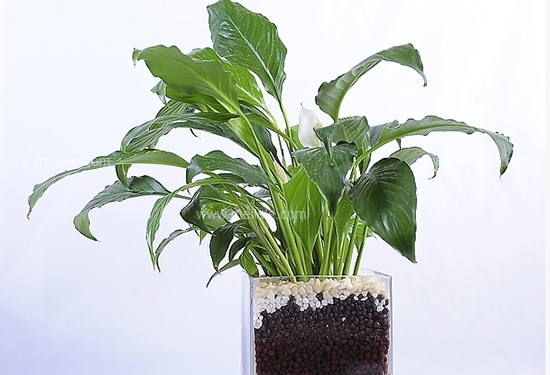
[Plant profile]
——————————————————————————————————————————————
Chinese name: Spathiphyllum (baiheyu)
Scientific name: Spathiphyllum kochii
Aliases: Baojueyu, white sail, Spathiphyllum, Yibing baiheyu, Yinbao yu
Family: Araceae
Genus: Spathiphyllum
Origin and distribution: Spathiphyllum is native to Colombia, growing in tropical rainforests, and is one of the most popular indoor foliage plants in Europe. It is now cultivated in various places.
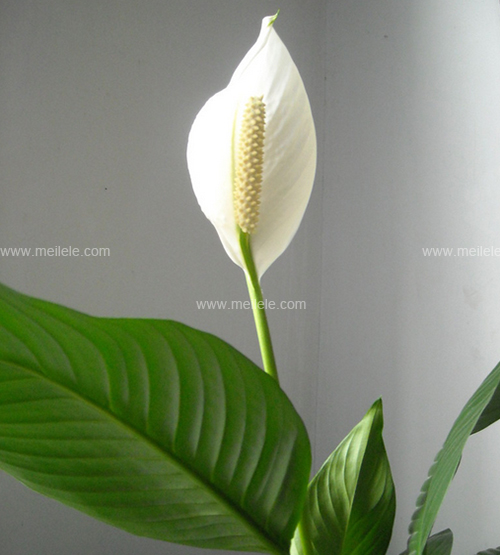
Morphological characteristics: Perennial evergreen herbaceous foliage plant. The plant height is 40-60 cm, leaves are oblong or nearly lanceolate, tapering at both ends. The flower is a spathe, slightly fragrant, leaf-shaped, meaning its flower has no petals but consists of a white bract and a yellow-white spadix, resembling a palm, hence the name "white palm"; its flowers are large and prominent, with long peduncles that rise above the leaves, white or green. Flowering period is May to August.
Spathiphyllum cultivation methods
——————————————————————————————————————————————
Spathiphyllum is relatively shade-tolerant; about 60% scattered light is sufficient to meet its growth needs, so it can be kept year-round indoors in a spot with bright scattered light. In summer, 60%-70% of sunlight can be blocked; avoid direct strong light, otherwise the leaves of Spathiphyllum will turn yellow, and in severe cases sunburn disease may occur. In northern winter greenhouse cultivation, no shading or minimal shading is needed. If the light is too dim for a long time, Spathiphyllum will be difficult to flower.
Spathiphyllum is a high-temperature-loving species and should be cultivated in a high-temperature greenhouse. The minimum nighttime temperature in winter should be 14-16°C, and around 25°C during the day. Prolonged low temperatures can easily cause leaf drop or scorched-yellow appearance in Spathiphyllum.
During the growth period, Spathiphyllum should be kept with moist potting soil, but avoid overwatering, otherwise it can easily cause root rot and plant yellowing. In summer and dry seasons, frequently spray water onto the leaf surface of Spathiphyllum with a fine-nozzle sprayer, and sprinkle water on the ground around the Spathiphyllum plant to keep the air humid. In winter, control watering, keeping the potting soil slightly moist.
Spathiphyllum in pots requires loose soil with good drainage and aeration; heavy clay soil should not be used. Generally, a substrate can be prepared by mixing leaf mold, peat soil with a small amount of perlite; add a small amount of organic fertilizer as base fertilizer when planting. Because Spathiphyllum grows quickly and has a relatively high fertilizer demand, liquid fertilizer must be applied once every 1-2 weeks during the growing season.
The feng shui meaning of Spathiphyllum
——————————————————————————————————————————————
The feng shui meaning of Spathiphyllum mainly comes from the following two characteristics of Spathiphyllum, namely ornamental value and functionality.
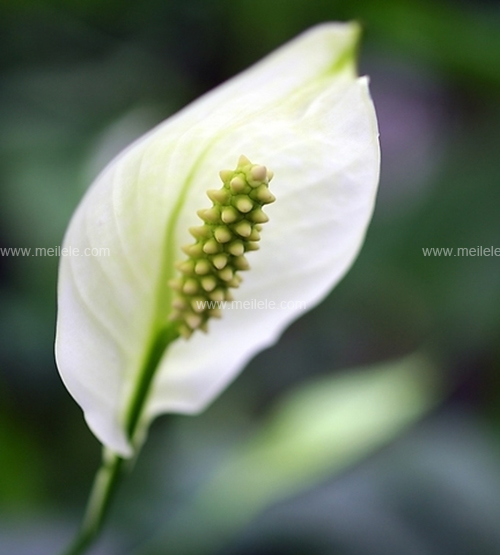
Ornamental value of Spathiphyllum: Because its leaves resemble those of arrowroot and its flowers resemble a crane holding its head up, standing gracefully and pure white, it gives people a sense of "purity, calm, peace and well-being" and is regarded as the "flower of innocence." Because people feel Spathiphyllum carries an auspicious meaning, it is specially named "Spathiphyllum" (meaning smooth sailing) based on the beauty of its flower's appearance.
Functionality of Spathiphyllum: Spathiphyllum is a well-known air-pollution filter. Especially when grown hydroponically, Spathiphyllum can regulate indoor temperature and humidity through transpiration and effectively purify volatile organic compounds in the air, such as: alcohol, acetone, trichloroethylene, benzene, toluene, nitrogen monoxide, ozone, etc. Among these, its purification rate for ozone is particularly high. Placed near the gas stove in the kitchen, it can purify the air and remove cooking odors, oil fumes and volatile substances. This beautiful indoor plant native to the tropical rainforests of Venezuela is undoubtedly a miracle in medicinal biology.
"Conclusion: Because Spathiphyllum has both beautiful flowers and leaves, is light and graceful, grows vigorously, and is shade-tolerant, it is deeply favored by people and is often used for indoor greening and decorative beautification. Have you figured out the cultivation methods and feng shui meaning of Spathiphyllum?
【