Indoor Feng Shui Analysis and Introduction of Potted Plants
Introduction: There are many types of potted plants. Generally, based on the key ornamental aspects of potted plants, they can be classified by tree shape, number of trees, tree height, tree species, ornamental value and style. Feng Shui masters believe that there are quite a few potted plants that can turn things around and bring good luck. Money bamboo, Malabar chestnut, orchids and so on are among the most popular choices.
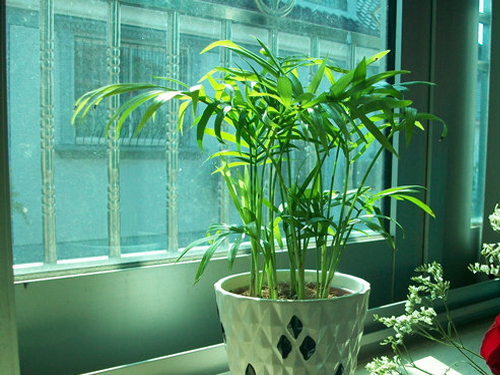
Alocasia amazonica 'Polly' prefers partial shade and must never be exposed to strong direct sunlight. In a partial shade environment, the leaves are tender and glossy, the veins are distinct, and the leaf color is deep green. If the light is too strong, the leaf color tends to become dull, leading to sunburn, with rough leaf surfaces, grayish-white leaf color, blurred veins, and sometimes scorched spots on the leaf surface; however, if the light is too weak, it easily causes leggy growth, and the plant grows thin and tends to lodge.
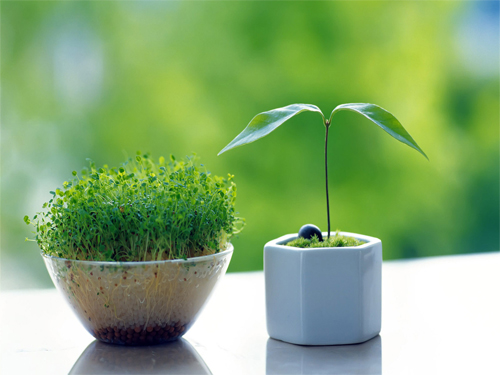
It is naturally robust, prefers moisture, and has strong shade tolerance. It likes high temperature, high humidity, and a semi-shaded environment, fears strong sunlight, is afraid of drought, and is not cold-tolerant; it fears strong sunlight and is afraid of drought. Syngonium podophyllum is not cold-tolerant and should be placed in a sunny spot indoors, with indoor temperature not lower than 10°C, otherwise the leaves will turn yellow. In the dry winter, special attention should be paid to maintaining relatively high humidity in the indoor environment. Its functions include purifying the air, removing pollution, and absorbing formaldehyde.
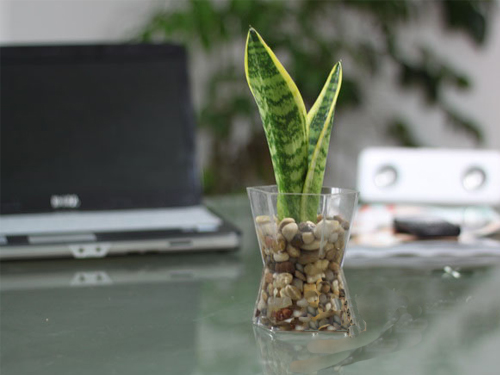
Sansevieria trifasciata has firm, upright leaves with white-and-green tiger-tail-like horizontal banded markings, combining firmness with a touch of novelty. It has strong adaptability to the environment and is a common household potted foliage plant, very suitable for placement in studies, living rooms, bedrooms and other places. When placed in a relatively cramped bathroom, it can not only use its own fresh fragrance to remove odors, but also kill bacteria in the air, benefiting health.
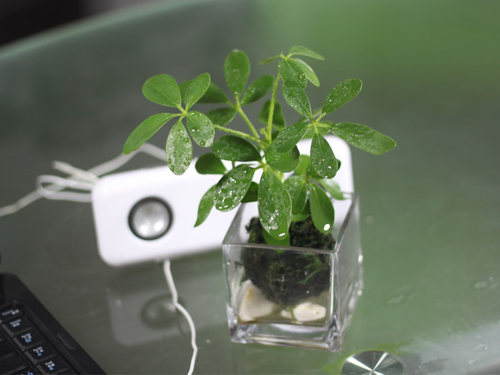
Schefflera arboricola prefers partial shade and can be enjoyed for a relatively long time in a bright and well-ventilated home. If there is about 4 hours of direct light indoors each day, it can grow well. For varieties with yellow or white markings, if the light is too weak or nitrogen fertilizer is applied excessively, the markings will become blurred, thereby losing their original characteristics. Its main functions are purifying the air, removing pollution, absorbing formaldehyde, and resisting radiation.
Recommended reading: Feng Shui considerations for growing succulents | Feng Shui considerations for home plants