What are the effects, benefits, and side effects of the silk tree flower
A tree of green leaves and red flowers, swaying in emerald green, brings a touch of coolness. As you approach her, she happily blushes crimson, like the red lips of a shy maiden parting, and like the blush of a bashful girl, truly delightful to the eyes and heart, instantly dispelling irritation and anger. People of the time praised it: leaves like the sensitive plant, flowers like a brocade ball. At the sight of it, worries vanish; at the scent of it, the heart and spleen are refreshed. Another praise goes: on the night-closing branches there is a special spring, sitting with wind and dew into the early morning, let the bright moon shine as it will, she gathers all her fragrant heart and turns it toward no one.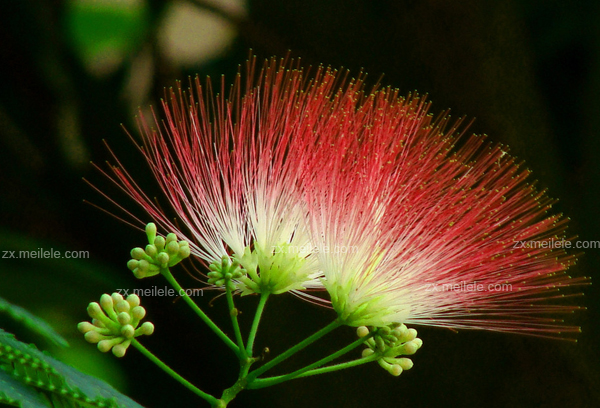
The meaning of the silk tree flower
The silk tree is sensitive to both light and heat. Each time the sun sets in the west, pairs of pinnate compound leaves slowly draw together, and only gradually separate the next morning. On summer afternoons this phenomenon also occurs, but not as tightly pressed together as at night, hence it is also called night-closing.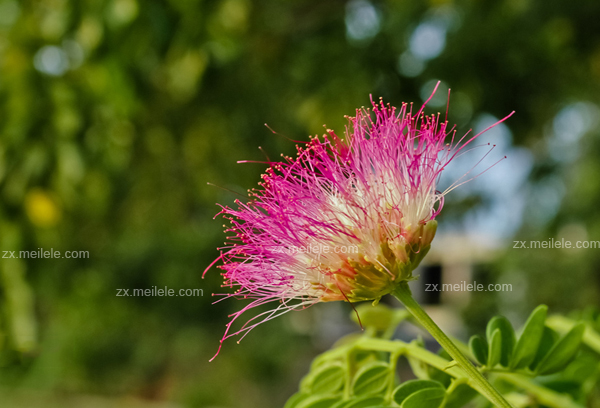
The benefits of the silk tree flower
The silk tree flower contains albizzia saponin and tannins. It relieves depression and calms the spirit, nourishes yin and supplements yang, regulates qi and stimulates the appetite, activates collaterals and relieves pain. It is used for restlessness of the mind and spirit, and for depression and insomnia. It treats stagnation of qi with chest tightness, insomnia, forgetfulness, and wind-fire eye afflictions. It can calm the five viscera, harmonize the mind, and improve complexion. It has relatively good effects in strengthening the body, sedation, calming the spirit, and beautifying the appearance, and is also an excellent remedy for treating neurasthenia. It also has the effects of clearing heat and relieving summer heat, nourishing the complexion, removing spots, and sobering up from alcohol.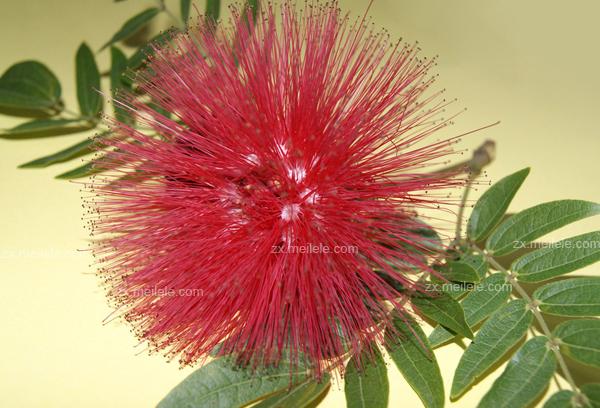
The effects of the silk tree flower
The silk tree flower has a spirit-calming effect, mainly treating stagnation of qi with chest tightness, insomnia and forgetfulness, nourishing yin and supplementing yang, eye diseases, neurasthenia, and other conditions. As an ornamental, in the past there were only small-flowered varieties, but now there are large and beautiful varieties. In the seventh month the heat blazes. A tree of green leaves and red flowers, swaying in emerald green, brings a touch of coolness. As you approach her, she happily blushes crimson, like the red lips of a shy maiden parting, and like the blush of a bashful girl, truly delightful to the eyes and heart, instantly dispelling irritation and anger. People of the time praised it: leaves like the sensitive plant, flowers like a brocade ball. At the sight of it, worries vanish; at the scent of it, the heart and spleen are refreshed. Another praise goes: on the night-closing branches there is a special spring, sitting with wind and dew into the early morning, let the bright moon shine as it will, she gathers all her fragrant heart and turns it toward no one.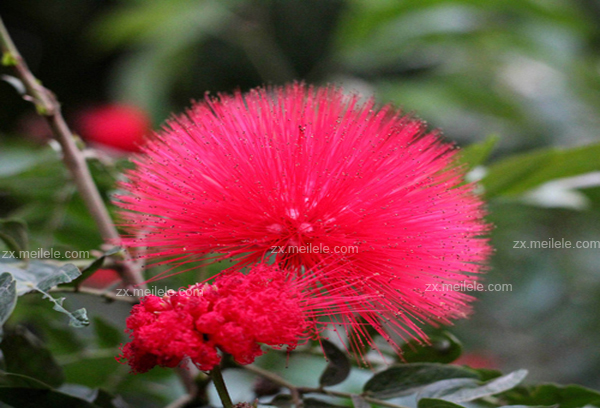
The side effects of the silk tree flower
The silk tree flower is sweet, neutral, and non-toxic, with the effects of relieving depression and calming the spirit, and nourishing yin and supplementing yang. It is used for restlessness of the mind and spirit, depression and insomnia, and other conditions. From a medical perspective, the silk tree bark - the tree bark - is suitable for people with mild insomnia, but it should not be taken over the long term. Long-term use causes relatively great harm to the body.
More information >>>
| What does the white rose represent | Succulent plants | The benefits and effects of jiaogulan | Handmade roses | Geranium |
| What plants protect against computer radiation | Golden spider plant | The benefits and effects of mint | Succulent plant cultivation | Monstera |
| The benefits and effects of honeysuckle | Plant pictures | How to grow the sensitive plant | How to care for succulents | Snake plant |