How to grow Aglaia odorata? Cultivation methods and precautions
Aglaia odorata is a subtropical tree that thrives in a warm and relatively humid environment. Aglaia odorata is an evergreen shrub or small tree of the Meliaceae family, developed from the large-leaf variety of Aglaia odorata. Aglaia odorata can remove indoor harmful substances such as sulfur dioxide, chlorine, diethyl ether, ethylene, carbon monoxide and nitrogen peroxide, and can release oxygen. Placing a pot of Aglaia odorata at home can give you a comfortable and healthy living environment. How to grow Aglaia odorata? What should be noted in the cultivation of Aglaia odorata?
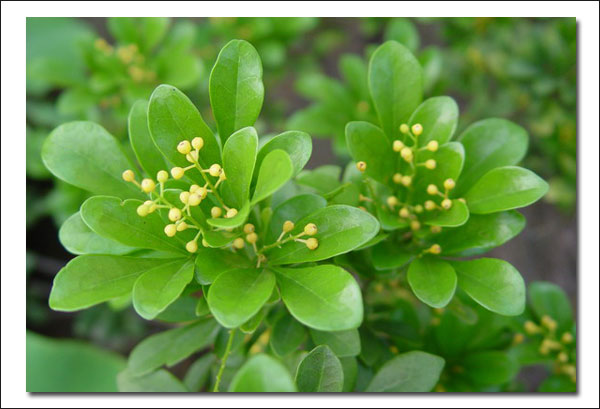
How to grow Aglaia odorata
Aglaia odorata likes a warm climate, humid air and a sunny environment, but it is not cold-tolerant and is slightly shade-tolerant. Loose, fertile, slightly acidic soil is best. In winter the temperature is best kept above 10 degrees. Aglaia odorata likes humidity, but watering should not be excessive, otherwise it will cause root rot. Leaves wither and drop; too much watering during the flowering period will cause buds to drop, and too little watering easily causes the leaves of Aglaia odorata to turn yellow and wither, therefore, when summer temperatures are high, water 1-2 times a day. Spray water on the leaves frequently to keep them moist. Fertilizing Aglaia odorata should also be done appropriately. Aglaia odorata blooms many times within a year, and after each bloom, 2-3 applications of fully decomposed dilute liquid fertilizer should be given in good time, so that it will bloom continuously with a rich fragrance. Aglaia odorata likes acidic soil, and for pot cultivation a growing medium based mainly on leaf mold should be chosen. During the vigorous growth period, spray once a week with 0.2% ferrous sulfate solution, and the leaves will be green and the flowers abundant.
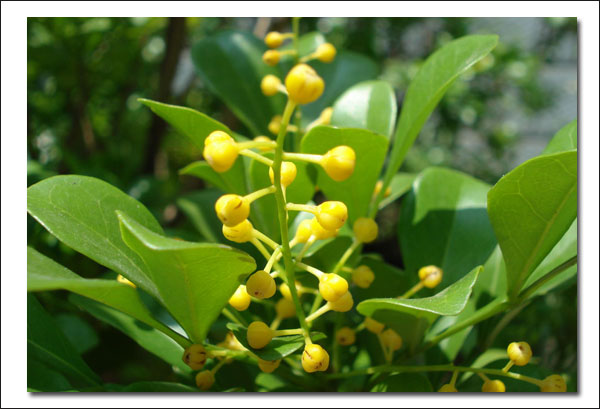
Aglaia odorata should be pruned and shaped starting from the young seedling stage, keeping a section of main trunk 15 cm to 20 cm high. Do not let the main branches grow in a cluster from the soil surface; instead, prune and branch above the 15 cm high main trunk, so that the plant's form becomes full. The lower branches of many-year-old plants often age and die. Therefore, in the north it is advisable to shorten-prune once every other year during the hot season, to encourage adventitious buds on the lower part of the main branches to sprout and grow new side branches, thereby keeping the tree form well balanced, the tree vigorous, and the foliage lush with abundant flowers.
Aglaia odorata likes ample light and high temperatures, is not cold-tolerant and not drought-tolerant. During the growing period, watering should be frequent and fertilizing should also be frequent to ensure that Aglaia odorata grows luxuriantly. It can also grow in partial shade, but it will not bloom or will bloom little, the branches will be weak and prone to drooping. In winter it can only overwinter at 10°C or above. The flowering period of Aglaia odorata is generally from May to September, but with proper care the flowering period will be longer; thus with ample light, fertility and suitable temperature it will bloom
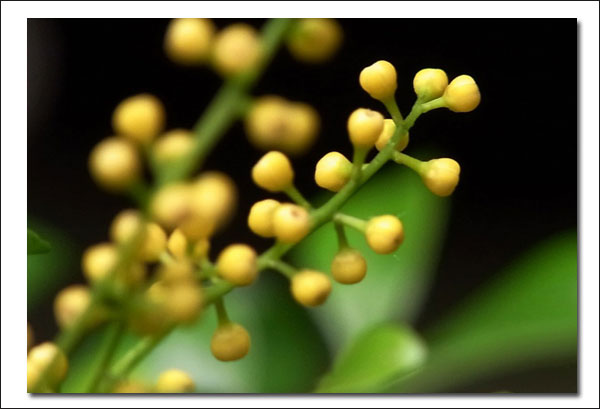
Precautions for cultivating Aglaia odorata
1. Suitable temperature. Aglaia odorata likes warmth, and the higher the temperature, the more fragrant the flowers it produces. Generally speaking, at temperatures above 30°C, under ample sunlight, the flowers produced are strongly fragrant; conversely, in an environment below 30°C, if it is also in a shaded place with insufficient light, the flowers produced are not as fragrant as at high temperatures. To grow Aglaia odorata well, the suitable temperature range is between 20°C and 35°C, and during the period from June to October it can bloom as many as 5 times.
2. Ample light. Aglaia odorata should be placed in a sunny place in all four seasons. If Aglaia odorata is placed in a courtyard or on a balcony with ample light and good ventilation, with more than 8 hours to 12 hours of light per day, the plant's leaves will be deep green, the branches will grow thick and strong, the number of blooms will be greater, the flowers will be bright yellow and the fragrance will also be richer. If Aglaia odorata is kept in an environment with insufficient sunlight and shade, the plant's branches and leaves will grow leggy and weak, the number of blooms will decrease, and the fragrance will be faint.
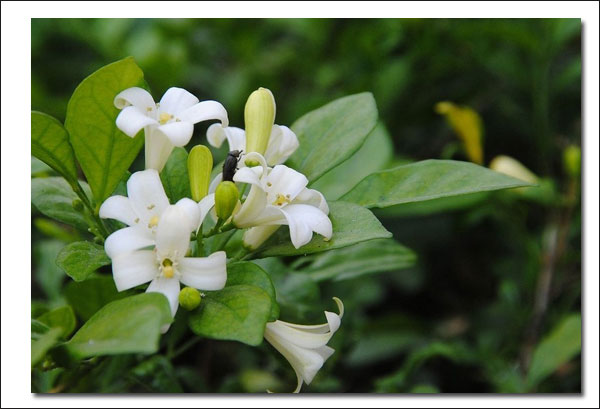
3. Reasonable fertilizing. Aglaia odorata has a strong ability to bloom and blooms many times, so nutrients must be replenished in good time. After each bloom of Aglaia odorata, nutrients should be replenished promptly. Insufficient fertilizer is the main reason why Aglaia odorata only grows leaves without blooming or drops leaves and buds. Therefore, when the temperature rises, Aglaia odorata should be moved outdoors for care, and after a week the soil should be loosened and some dilute nitrogen fertilizer applied; 10% to 20% decomposed cake fertilizer water or human and animal manure urine can both be used, and thereafter a liquid fertilizer should be applied about every 10 days to promote the growth of branches and leaves. From June, Aglaia odorata enters its vigorous growth and flowering period, until mid-October. About every 15 days, a relatively concentrated fertilizer mainly of phosphate fertilizer should be applied, or every 15 days to 20 days spray once with 0.3% potassium dihydrogen phosphate solution, and then the blooming will be even more abundant. Special note: during the flowering period, phosphate fertilizer must be the main type, otherwise the situation of only growing leaves without blooming will occur. During the flowering period from June to October, if fertilization is insufficient, not only will the number of blooms decrease and the flowers be less fragrant, but the flower buds that have already appeared will also wither and fail to open.
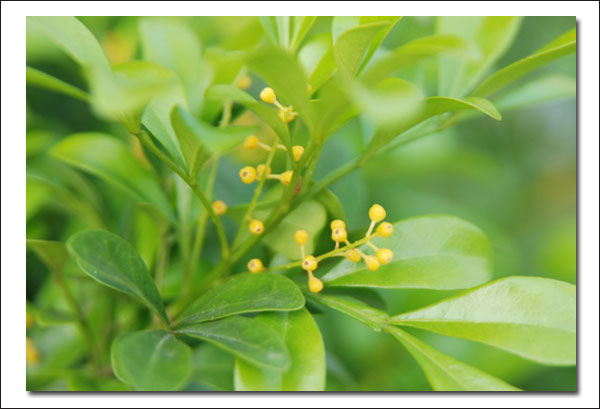
4. Appropriate watering. The amount of watering is determined by the size of the Aglaia odorata plant, changes in climate and the place where it is kept, so as to water at the right time and in the right amount. Applying extra phosphate and potassium fertilizer before Magnolia blooms, together with frequent scattered sunlight and moderate watering, will make its flowers strongly fragrant. Summer is the peak growing season for Aglaia odorata, and its water requirement increases accordingly, generally watering once a day. On hot, clear days, watering once each morning and evening is sufficient. If water is lacking, the leaves will turn yellow and even drop. If there is a shower, after the rain tilt the pot to drain the water to prevent root rot.
If fertilization is insufficient, not only will the number of blooms decrease and the flowers be less fragrant, but the flower buds that have already appeared will also wither and fail to open.
4. Appropriate watering. The amount of watering is determined by the size of the Aglaia odorata plant, changes in climate and the place where it is kept, so as to water at the right time and in the right amount. Applying extra phosphate and potassium fertilizer before Magnolia blooms, together with frequent scattered sunlight and moderate watering, will make its flowers strongly fragrant. Summer is the peak growing season for Aglaia odorata, and its water requirement increases accordingly, generally watering once a day. On hot, clear days, watering once each morning and evening is sufficient. If water is lacking, the leaves will turn yellow and even drop. If there is a shower, after the rain tilt the pot to drain the water to prevent root rot.