Is Cuban oregano (Plectranthus amboinicus) toxic? A complete guide to growing it
Cuban oregano is a shrub-like herbaceous plant. When you touch it, it automatically releases an apple-scented fragrance, very pleasant, giving an unforgettable feeling of relaxation, so it is often grown in offices and similar places. Decorative and practical.
Cuban oregano is a herbaceous plant with brown stems and branches, while the young stems are green and even tinged with a bit of red. The leaves are ovate or obovate, very smooth, with sparse teeth along the edges, and the flowers are umbel-like. It is a perennial herbaceous plant, much branched and the whole plant is covered with fine white fuzz. It feels fuzzy and springy to the touch. The fleshy leaves are green, arranged in opposite pairs, and ovate.

1. How to grow Cuban oregano:
Cuban oregano is very easy to cultivate. This plant is relatively drought-tolerant, so water it sparingly. But it likes a sunny environment. To make it grow more robustly and encourage branching, it can be pruned appropriately. In winter the temperature must not be too low, at least 5 degrees; the plant does not tolerate dampness, and excessive moisture easily leads to root rot. Its propagation methods include seeding, cuttings and division. It is very suitable for pot culture, and is best placed in a high spot or hung indoors; it can also serve as an accent piece on a small table or desk.
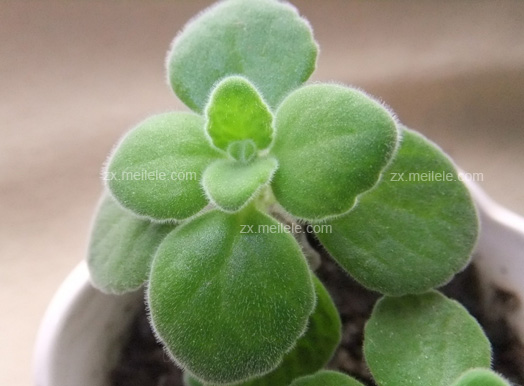
2. Cuban oregano propagation and cultivation methods
Propagation by cuttings is the simplest method. After taking a cutting of the plant, it will root in about 20 days; once rooted, it can be transplanted into a small flower pot. It survives easily in pots and has a high survival rate; it is drought-tolerant, so avoid long-term waterlogging. Plenty of sunlight. With moderate pruning, it grows robustly.
3. Cuban oregano growth habits
It likes sunlight, but is also fairly shade-tolerant. It fears cold and needs to be cultivated in a greenhouse. It does not tolerate waterlogging. It likes loose, well-drained soil. It likes warmth and does not tolerate cold. In winter it needs a temperature of 5°C-10°C. It does not tolerate dampness; excessive moisture easily causes root rot and death.
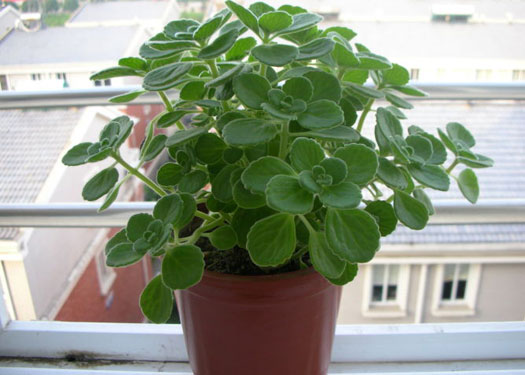
4. Main uses of Cuban oregano
Cuban oregano gets its name because when it is struck or touched by the outside world it releases an apple-scented fragrance, rich and aromatic, and smelling it makes one feel comfortable, so it is very popular on the market. It is suitable for pot culture, and is best placed in a high spot or hung indoors; it can also serve as an accent piece on a small table or desk. The leaves can be brewed in tea or wine, with a wondrously alluring fragrance. It refreshes the mind, clears heat and relieves summer heat, and repels mosquitoes and insects.
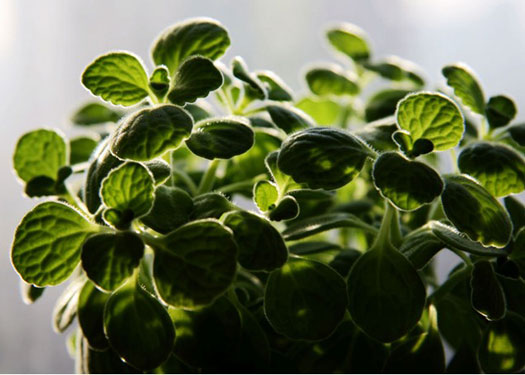
5. Is Cuban oregano toxic?
Is Cuban oregano toxic? This is the last thing everyone cares about. Although the fragrance it gives off is aromatic, everyone worries about whether it is toxic like some other plants. Here we tell everyone that the reason Cuban oregano gives off fragrance is similar to the principle behind the mimosa's "shyness": when it is stimulated by outside touch, the water within its cells acts, and the turgor pressure of the pulvinus changes. The only difference from the mimosa is that under the effect of turgor pressure it does not contract; instead, the stomata used for internal air exchange expand, and a volatile substance with an apple fragrance diffuses through the stomata into the air. The fragrance of Cuban oregano is a green substance of the plant's own cells, non-toxic and harmless. Cuban oregano is not toxic.