How to grow pothos in water? Home hydroponic plant growing methods
Everyone wants fresh air and a vibrant atmosphere at home, and growing pothos hydroponically indoors is a good choice. Its green foliage is always full of vitality and brings fresh, natural air into the room. How to grow hydroponic plants at home and the growing methods for hydroponic pothos will open up a whole new way of growing plants for you.
How do you grow hydroponic plants at home?
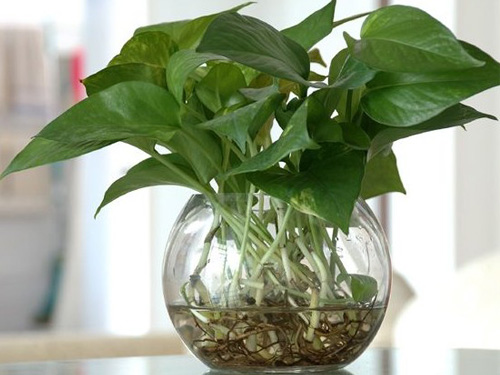
Hydroponic plants are not only clean and hygienic and rarely troubled by pests and diseases, but also show no change in the plant's own characteristics, so they have gradually gained people's recognition. To grow hydroponic plants at home, there are two methods: one is to buy hydroponic plants directly from the market and then grow them at home; the other is to DIY hydroponic plants yourself, which is a bit more troublesome. The specific methods are as follows.
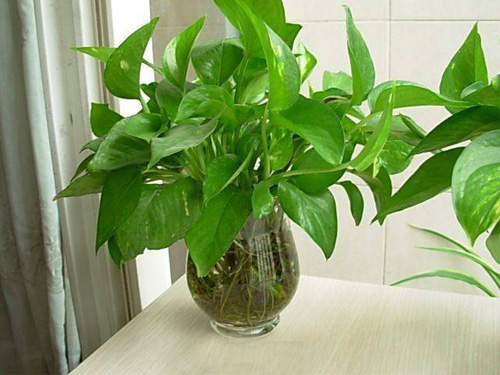
First, buy a pot of a plant you like that can be grown hydroponically. After bringing it home, carefully take the plant out of the soil; this process can easily damage the plant's roots, so extra care is needed. Then, wash the plant's roots clean without damaging the root system. After placing it in a container, the water level should not be too high, otherwise it will affect the plant's breathing.
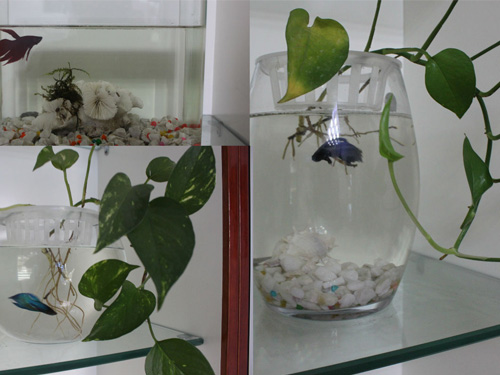
For plants that have just been started in hydroponics, because the roots are not yet adapted after first being placed in water, they will produce a large amount of mucus that affects water quality, so the water should be changed every day. Once the water poured off is no longer cloudy, you can change the water about once a week, or you can simply add water to it. Plants just placed in water need an adaptation period, during which symptoms such as root rot and yellow leaves will appear; these are all normal phenomena. Remove the rotten roots promptly and change the water. Once new roots grow, you can move into normal care. At this time you can apply some nutrient solution; there are many kinds on the market, but do not make it too concentrated, otherwise it will harm the roots.
Growing methods for hydroponic pothos
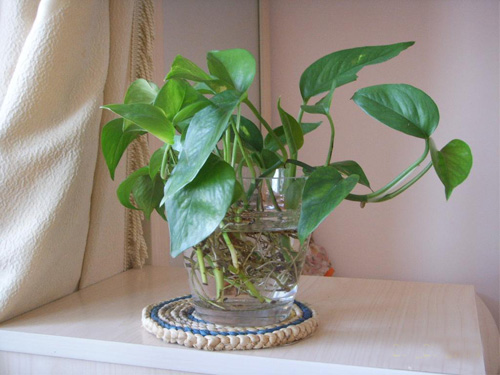
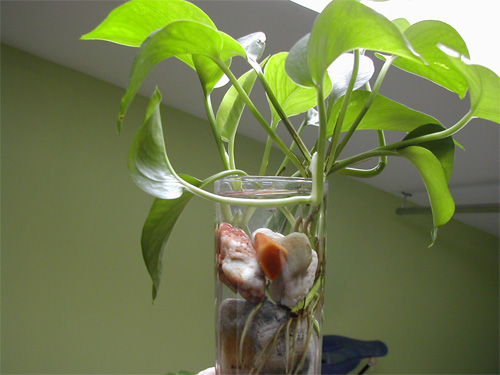
Pothos is very suitable for hydroponic cultivation, and ideal cultivated plants are easily obtained by either water cuttings or the root-washing method. Hydroponic pothos likes a warm, humid environment and requires loose, fertile soil with good drainage. Hydroponic pothos is extremely shade-tolerant and can be placed indoors in a sunny spot in all four seasons.
The specific growing methods for hydroponic pothos are as follows:
1. Choose good pothos stems and branches. Only healthy, strong stems and branches with aerial roots are good material for hydroponics. After cutting off stems and branches with aerial roots and placing them in clean water, they can quickly adapt to the hydroponic environment, and within 15 to 20 days they will grow water roots;
2. Put the aerial roots into the water as well; aerial roots can also serve the function of nutritional roots, absorbing water and nutrients;
3. During the growth period, dilute special hydroponic fertilizer and spray it on the leaf surface, which will make the leaves more vivid;
4. Pothos vines are soft and graceful, with mottled leaf colors. Small plants can also be grown in wall-mounted containers, allowed to tilt and hang down like a green decorative curtain, fresh and elegant;
5. Just like potted pothos, hydroponic pothos also needs frequent pruning. Cut off overly long and tangled stems and branches to maintain a well-spaced, orderly appearance.
Hydroponic plants are a new type of soilless plant cultivation method. Hydroponic plants like hydroponic pothos, which previously existed only in laboratories or enterprises, have gradually entered thousands of households. Here we have introduced how to grow hydroponic plants at home and the growing methods for hydroponic pothos, offering a little bit of guidance for people who dare to try or like to DIY hydroponic pothos and other hydroponic plants themselves.
Editor's recommendations: Radiation-proof flowers, which flowers can protect against radiation; there are particular feng shui considerations for growing succulents