How to grow spider plant 'Variegatum', teaching you how to care for spider plants
Spider plants are not only beautiful and attractive, they can also purify the air and bring a lovely freshness indoors. They are especially suitable for growing in pots at home and in the office. How do you grow spider plants? Among spider plants, spider plant 'Variegatum' is the most popular. How do you grow spider plant 'Variegatum'? What is the method for growing spider plant 'Variegatum'?
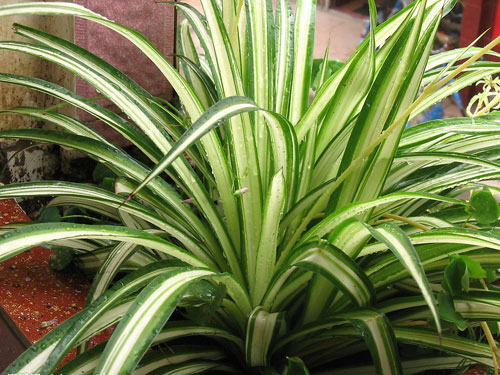
Spider plants can absorb more than 80% of indoor harmful gases and have a very strong ability to absorb formaldehyde. One pot of spider plant can purify harmful substances in 8-10 sq m, equivalent to an air purifier. Generally, placing 1-2 pots of spider plants in a room can kill eighty percent of the harmful substances in the room within 24 hours. It absorbs 86% of formaldehyde; it can completely absorb the carbon monoxide and nitrogen peroxide given off by stoves, electrical appliances and plastic products, so the spider plant also has the reputation of being a "green purifier."
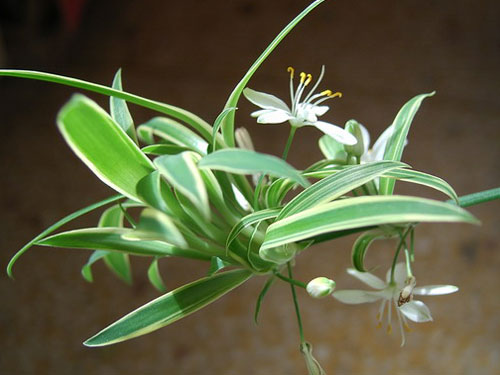
How to grow spider plants
The spider plant is a perennial evergreen herbaceous flower with fibrous roots. It has a graceful form and is also highly shade-tolerant and easy to manage. It is often used as a hanging potted plant for indoor decoration or garden landscaping. When growing spider plants, the following points should be mastered:
1. Temperature control. Spider plants like a warm, humid climate and are not cold-tolerant. They grow fastest at 20-24°C. Above 30°C, growth stops and the leaves tend to turn yellow with dry tips.
2. Light regulation. When grown outdoors in summer, pay attention to shading so the light is not too strong, otherwise sunscald can easily occur.
3. Water and fertilizer regulation. During the peak growing seasons of spring and autumn, watering should be sufficient. The potting soil should be kept moist regularly, and the branches and leaves should often be sprayed with clean water close to room temperature to prevent dry tips, but waterlogging must be avoided.
4. Pruning and repotting. As the plant grows larger, to maintain a good plant shape, old leaves at the base should be pruned frequently.
5. Pest control. The spider plant's clumps are dense and poorly ventilated, making it susceptible to scale insect damage, so prevention should be the main approach.
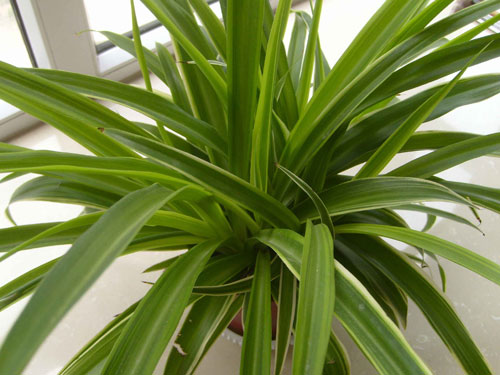
Spider plant propagation methods:
Spider plant propagation methods include cuttings, division and sowing. The propagation season can be either spring or autumn. Spider plants have a high survival rate and strong adaptability, and are very easy to plant and propagate. When taking cuttings, simply insert the new shoots 5-10 cm into the soil. The rooting period is one week. After that, wait about another 15 days before transplanting into a pot, water thoroughly and place in a cool place for care.
Editor's recommendation: What features do European-style lamps have? Which manufacturer's ceiling lamps have the best quality?