What to Do When Clivia Leaves Turn Yellow? Causes and Solutions
Clivia has very high ornamental value. However, clivia can also run into trouble during its growth, and sometimes its leaves turn yellow. Let's take a look below.
Introduction to Clivia
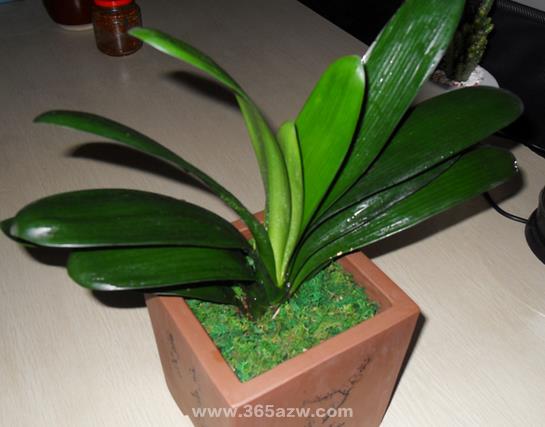
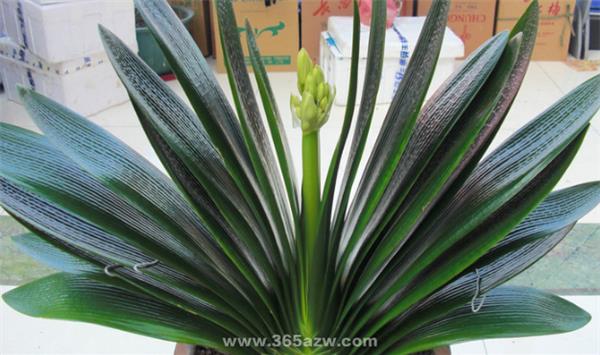
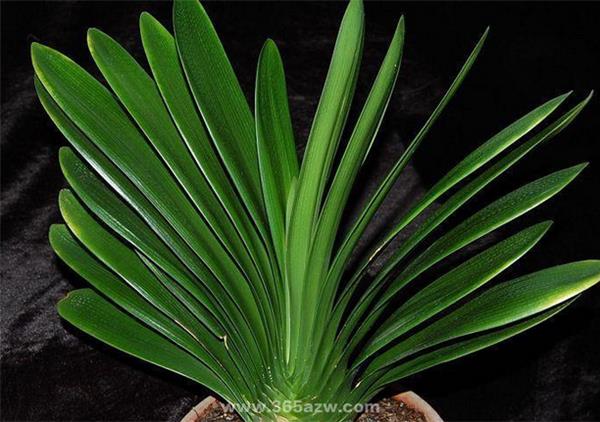
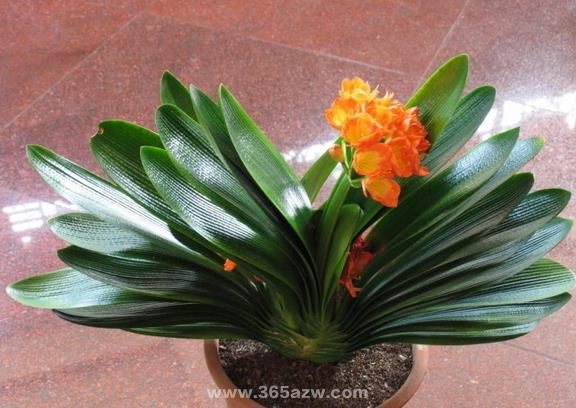
Among plants there is one with a lovely name and a beautiful appearance; it is called clivia, and the large-flowered clivia (Clivia miniata) is a perennial herbaceous plant. Its fleshy roots are white and unbranched. The basal leaves are numerous, leathery, alternate, neatly arranged in a fan shape, and evergreen. The stem is a shortened stem. Through artificial hybridization, many precious clivia cultivars have been bred and selected. Clivia cultivars are distinguished by plant size, leaf length, length-to-width ratio, leaf tip shape, whether the veins are visible or hidden, flower color, fruit shape, and so on. Its main propagation methods are seed sowing and division, and at the same time its care requirements are relatively high.
Causes of Yellowing Clivia Leaves
Temperature
The suitable temperature for clivia growth is 15-25°C. A day-night temperature difference of 8-12°C is most suitable for clivia growth. When the temperature exceeds 30°C for a long time in summer, it enters semi-dormancy. At this time, if the air humidity is below 60%, the clivia leaves will become lighter in color, turn yellow, and even wilt; if the humidity is above 90%, the stems and leaves will grow long.
Humidity
Clivia is a moisture-loving plant and has relatively high requirements for the humidity of its growing environment. Its most suitable relative humidity range is 70%-80%. In this humidity environment, clivia leaves are tender green, the veins are clear, and the leaves are short, wide, and neat, with high ornamental value. If the potting soil is too dry for a long time and the temperature is also high, the leaves are prone to turning yellow. But long-term overwatering can easily lead to oxygen deficiency, hindering the plant's normal respiration and causing clivia roots to rot or even die.
Soil and Fertilizer
Clivia prefers loose, fertile sandy soil. Compacted soil and insufficient fertilizer supply will cause the leaves to turn yellow and affect flowering. Generally, fertilizing once in spring and once in autumn within a year is enough. Rot-resistant tree leaves must be fermented before use; if not fermented, they can easily burn the roots. Clivia must have its soil changed once a year.
Solutions for Yellowing Clivia Leaves
All Clivia Leaves Turn Yellow
Solution: When all leaves turn yellow, it is often a symptom of sunscald. Solution: shade it immediately and cut off the yellow leaves.
Clivia Leaves Withered, Yellow, and Drooping
Solution: Withered, yellow, or drooping leaves are a symptom of water deficiency. For watering, follow the principle of not watering until the soil is dry and not allowing water to accumulate in the pot.
Clivia Leaves Partially Turn Yellow
Solution: Partial yellowing is very likely caused by scorching heat, cold wind, hot water, or acid or alkaline damage. Simply remove the external cause in time. Sometimes, a lack of nitrogen fertilizer can cause the plant to suffer from chlorosis. The reduction of chlorophyll causes the leaves to turn yellow. In this case, apply more fermented cake fertilizer water. (The cultivation method also differs depending on the season.)
Clivia Leaves Wrinkle and Develop Yellow Spots
Solution: Excessive fertilizing causes root burn. The soil should be changed immediately, and the roots should be soaked in a 0.1% potassium permanganate aqueous solution for 20-30 minutes, then rinsed with clean water. After drying, cut off the rotten roots, apply plant ash to the wounds, and replant.
The above is an introduction to what to do when clivia leaves turn yellow. I hope you enjoy it.