How to grow a cactus? Mastering the correct watering method is key
Nowadays, cacti can be seen in homes, offices and other places. Because they are extremely easy to grow and also have a certain ornamental value, they have always been favored by people. However, when we grow them, we still need to pay attention to the watering of cacti. Let's take a look below at the question of how to water a cactus.
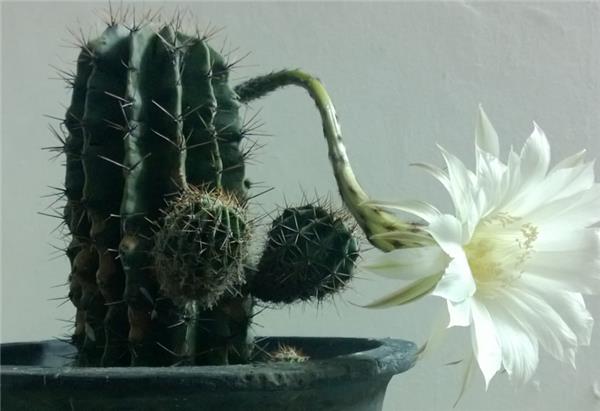
How to water a cactus
1. Water quality
How to water a cactus? Before that, a prerequisite you need to solve is water quality. It is not recommended to use tap water directly for watering flowers; instead, it should be left in the sun for several days. This is to make the water react with chlorine gas to generate hypochlorous acid, which has a bactericidal effect.
If conditions permit, mountain spring water can also be used. Mountain spring water contains some water-soluble salts, which undergo hydrolysis, making the pH weakly acidic and the water relatively soft, so it is not prone to producing scale. Alternatively, adding a little white vinegar to the water also works.
2. Watering time
The second difficulty in watering is the watering time. Summer is the growing period for cacti, with high temperatures and a large water requirement. They must be watered thoroughly, and it is best done in the early morning or evening when temperatures are low. At noon, when it is hot, watering can easily cause scorching of the body of the cactus. During the hot and rainy plum season, watering should also be appropriately moderated. For cacti with a sunken top, be careful not to pour water into the depression, so as to avoid causing rot. This is even more important to note when watering in the evening.
During winter dormancy, watering should be moderated, and it is appropriate to keep the potting soil from becoming excessively dry. The lower the temperature, the more the potting soil should be kept dry. Mature large cacti are more drought-tolerant than small seedlings. Watering in winter should be done on a sunny morning. As the temperature rises, the plant will gradually come out of dormancy, and only then can the frequency and amount of watering gradually increase.
3. Watering method
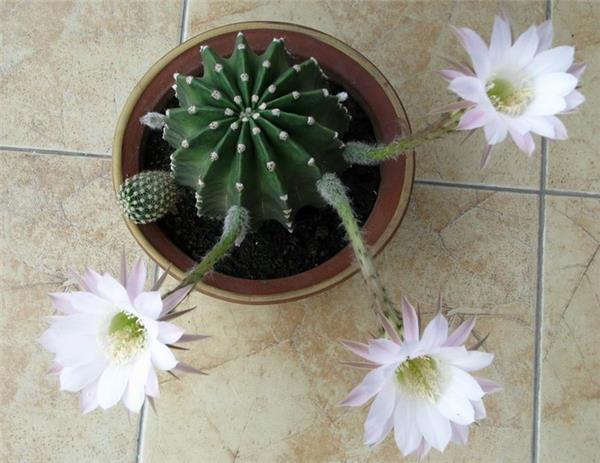
As for the watering method, many people like the soaking method. Although soaking can use siphon action to evenly draw water up to the top, it can also clog the gaps in the soil. Prolonged soaking is unfavorable to the root system, because the lack of air gaps causes oxygen deprivation in the plant's roots and produces alcohol.
Once problems arise in the roots, problems will also arise in the plant body above, forming a vicious cycle. Watering should be poured slowly along the edge of the pot until water flows out from the bottom of the pot. Basically, follow the principle of "spray water for small seedlings, water for mature plants."
4. Watering principles
If the soil is not dry, do not water; when watering, water thoroughly. Do not water in winter; water less in summer.
Do not water a cactus just bought home, do not water a cactus that has just been in the sun, do not water a cactus in early spring, and do not water a cactus that has just been repotted or newly propagated by cuttings.
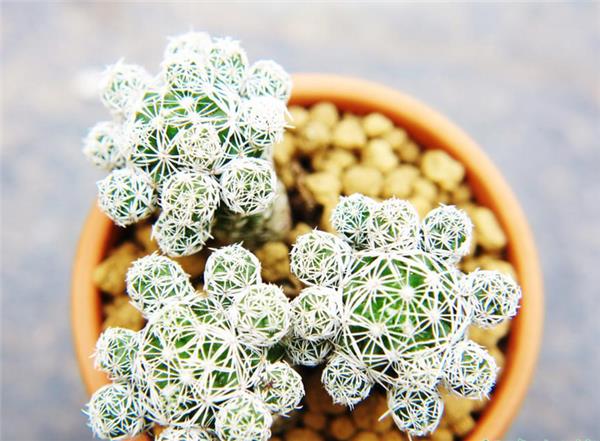
Finally, let's take a look at how to grow a cactus.
Cacti like places with plenty of sunlight, but exposure to blazing sun will slow their growth rate. So if you want your cactus to grow well and fast, you can choose a shady place for it when the sunlight is too intense. Cacti originally grow in relatively arid desert areas, and their root systems have a very strong water-absorbing capacity. Therefore, when growing cacti, do not water too much, as too much water will cause the roots of the cactus to rot. Generally, large cacti will not die even if they are not watered for one or two years.
When growing cacti, sandy soil should be used, because sandy soil is relatively loose. The way to prepare sandy soil for cacti is to place a layer of soil beneath the sand, with the sand on top and the soil below. This helps retain moisture. When applying phosphorus fertilizer to cacti, do not apply too much at one time. Too much phosphorus fertilizer will make the concentration of the soil solution greater than the concentration of the root cells of the cactus, causing water to flow outward and resulting in dehydration of the cactus.
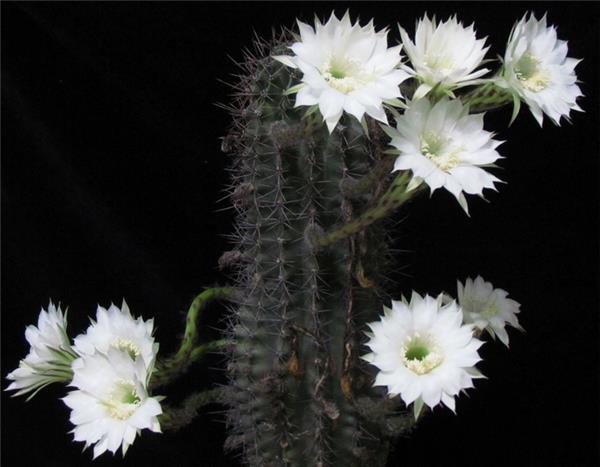
The cactus is a plant that does not fear a lack of water but fears too much water. Too much water will cause the root cells of the cactus to die from lack of oxygen. Therefore, during the growing process, be careful not to let the cactus be exposed to rain, and even if it does get rained on, drain the water away promptly. The optimal growing temperature for cacti is 20-35 degrees. Most types of cacti prefer a large day-night temperature difference. Growing under conditions of 35 degrees during the day and around 20 degrees at night is favorable for the production and accumulation of organic matter, thereby promoting vigorous growth of the cactus.