Is the cactus ball poisonous? This article teaches you to correctly understand the cactus ball
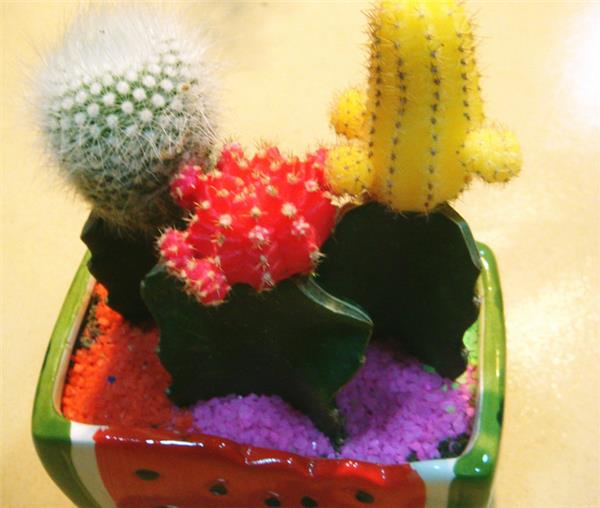
Many netizens report that after being pricked by a cactus ball, their skin shows symptoms such as redness, swelling, pain and itching, so everyone thinks these are symptoms of poisoning. So is the cactus ball poisonous? Below we will teach everyone to correctly understand the cactus ball.
Is the cactus ball poisonous
After placing a cactus ball indoors, it needs to be cared for, and during this process people are easily pricked by the cactus ball's sharp spines, and some people develop symptoms such as red, swollen, painful and itchy skin. This is an allergic phenomenon and one cannot arbitrarily conclude that the cactus ball is poisonous.
In fact, the cactus ball also has ornamental, health-care, environmental-protection and medicinal value. It can not only resist radiation, purify the air and has high ornamental value, but can also treat many diseases. There are many varieties of cactus balls, and some varieties can even be eaten; the flesh of edible cactus balls has the effect of clearing heat and detoxifying.
However, the spines of some cactus balls contain toxins, and after being pricked the human body will show the above skin allergy symptoms, which must be treated promptly. The simplest method is to first pull out the spines; then disinfect with alcohol and apply some ointment such as Piyanping. It generally gets better after 2-3 days. If it does not work or the condition worsens, it is advisable to seek medical attention promptly.
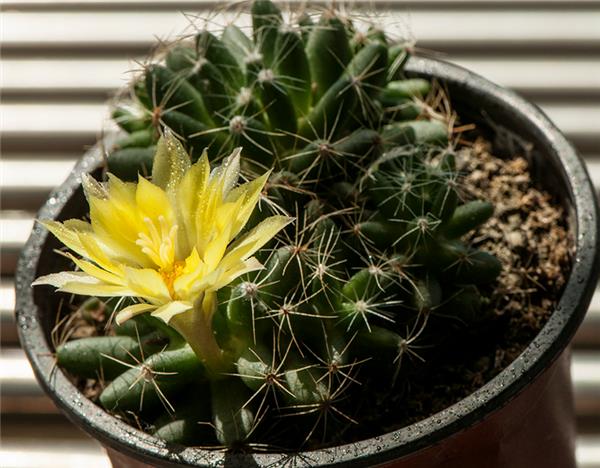
At present, many colorful cactus balls have appeared on the market. They are slightly more expensive, but are very popular with consumers. In fact, the bright colors of these cactus balls are mostly dyed on later with chemical agents. If you buy them and place them indoors, they will release toxic gases, which are harmful to human health, and their lifespan is not long either, so it is very uneconomical.
It can thus be seen that, on the whole, the cactus ball is not poisonous; it is only that the spines of some varieties of cactus balls contain a certain toxicity, but the toxicity is not great and at most only causes skin allergies, with little impact on the keeper.
Next we will teach everyone to correctly understand the cactus ball.
The cactus ball is a general term for plants of the cactus family with a spherical shape, and there are many varieties. Their native habitat is mostly desert regions, and they like high temperatures and arid climates. The stem is spherical or oval, green, and the flowers grow among the spines on the vertical ribs. Cactus balls generally bloom in the early morning or evening. Flower colors include white, red, yellow, orange, green and many other colors, and the flower shape is similar to a long morning glory. It lasts from a few hours to one day. The cactus ball is a plant with high ornamental value in its spherical stem, spines and flowers.
The cactus ball (scientific name: Echinopsistubiflora), commonly known as grass ball, also called Changsheng ball, is native to South America and generally grows in hot, dry and fertile land. In desert regions with little rain. It likes dryness and is drought-tolerant, with strong vitality, and is deeply loved by everyone. The main growing period of the cactus ball is summer, which is also its peak flowering period.
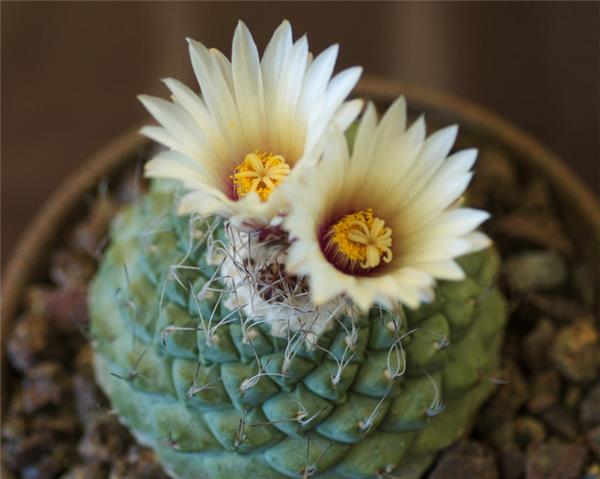
In the horticultural field, the spherical varieties among cactus plants are customarily called cactus balls; the cactus ball is a plant with high ornamental value in its stem, leaves and flowers. Traditional cactus balls are planted in deserts, while hydroponic cactus balls cultivated through plant hydroponic mutation technology allow you to appreciate both its tender white root system and the lovely small fish swimming among the roots, which is truly pleasing to the eye. It is an artistic masterpiece of hydroponic flowers.
Summer is the growing period of the cactus ball, and also its flowering period. Cactus balls generally bloom in the early morning or evening, lasting from a few hours to one day. Cactus balls are generally cultivated for 3-4 years, and when the ball diameter reaches 8-20 cm they should be able to bloom. To make the cactus ball bloom, the following points should be noted: 1. Sunlight. The cactus ball requires sufficient sunlight. If the cactus ball is placed indoors for a relatively long time and lacks sunlight, it will not bloom. Temperature. The cactus ball needs relatively warm environmental conditions. If the ambient temperature cannot reach above 20 degrees, it will not bloom. 2. Watering. Never water too much, do not let the potting soil become too wet, but rather it is better to be dry than wet. Especially in the dormant periods of winter and summer, watering should be controlled even more. 3. Fertilizing. Although the cactus ball is tolerant of barren soil and drought, it is not easy for it to bloom under conditions of both drought and lack of fertilizer. Therefore, appropriate water and fertilizer should be given during cultivation, and in the growing season a thin, fully decomposed cake fertilizer should be applied once every 10 days to half a month. Fertilizing should also not be excessive, as excess will also lead to failure to bloom.