How Often to Water a Cactus? Master the Correct Watering Frequency
The cactus is one of the most well-known ornamental flowers, with strong vitality and easy care, making it the first choice for many flower enthusiasts just starting out. So how often should you water a cactus?
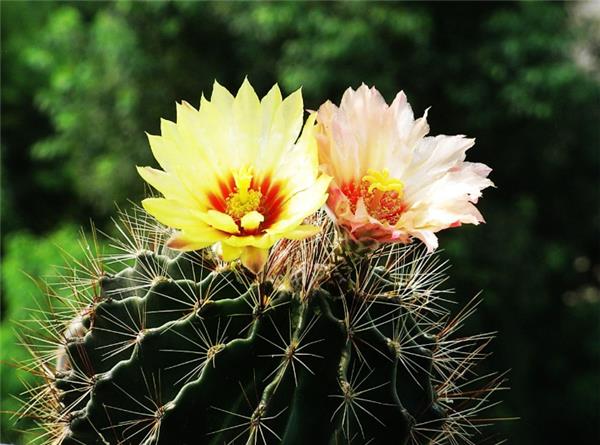
How Often to Water a Cactus
In spring and autumn, a cactus is usually watered once every two weeks, because spring weather is clear and the climate is warm, but the moisture content in the air is still fairly high. A cactus can absorb moisture and nutrients from the air through its leaves (spines), so watering once every two weeks is enough; too much will drown it.
In summer the weather is hot, the climate is dry, and there is little moisture in the air, so it is generally watered once a week; where the climate is very dry, it can be watered once every 5-6 days. If it is an office potted cactus growing in an air-conditioned environment, it is best to water it about once every 10 days.
In winter, the weather is cold and the air is filled with mist, so at this time the cactus does not lack water, but the soil will still lose moisture through evaporation. To ensure the roots have enough water, it is generally watered once every 2 months; watering twice in a winter is about enough. A special reminder: in winter, pay attention to keeping the cactus warm and protected from the cold. It is a plant that fears cold but not heat!
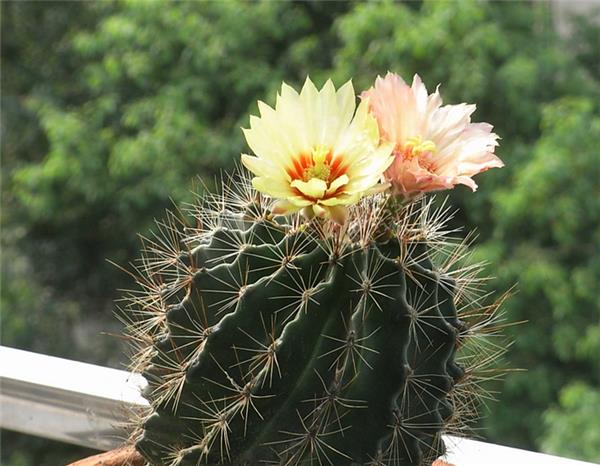
In short, when watering a cactus, follow these principles:
1. If the soil is not dry, do not water; when you do water, water thoroughly;
2. Do not water in winter; water less in summer;
3. Do not water a cactus just bought and brought home; do not water a cactus that has just been in the sun; do not water a cactus in early spring; do not water a cactus that has just been repotted or newly propagated from cuttings.
Through effective water control, the cactus builds up its constitution, gets sick less, grows healthily, and produces beautiful flowers.
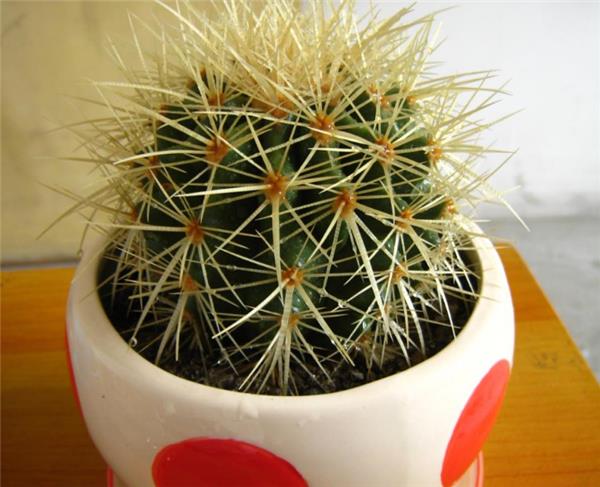
Points to Note When Watering a Cactus
The cactus belongs to the Cactaceae family, commonly known as the hedgehog cactus, grows in desert regions, and likes a hot and arid climate. The cactus originated in the grasslands of South America. The cactus is also a plant that blooms, and its flowers come in three colors: white, red and yellow. Watering a cactus properly helps it bloom. The cactus flowering season is in summer. Summer weather is relatively dry and hot; to encourage the cactus to bloom profusely in summer, water it more in summer, generally once a week, and each time just water until the soil around the cactus is moist.
A cactus needs watering in all four seasons. When watering a cactus in spring and autumn, you only need to water once every half a month, because the weather in these two seasons is relatively warm and the air also carries moisture; the cactus can absorb moisture from the air through its spines to maintain its water and nutrients. In winter, a cactus does not need watering, because winter weather is relatively cold and the air is filled with mist, so at this time the cactus does not lack water. In the relatively cold winter weather, the cactus is a plant that fears cold and not heat, so in winter you must protect the cactus from the cold.
A cactus likes places with plenty of sunlight, but scorching exposure will slow its growth rate. So if you want your cactus to grow well and fast, you can choose a shady spot for it when the sun is too intense. The cactus originally grew in relatively arid desert regions, and its root system has a very strong ability to absorb water, so when growing a cactus do not water it too much; too much water will cause its roots to rot. Generally, a large cactus will not die even if it is not watered for one or two years.
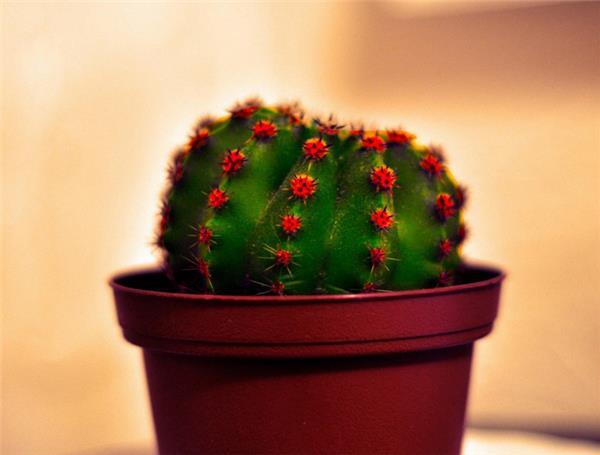
When growing a cactus, use sandy soil, because sandy soil is relatively loose. To make sandy soil for a cactus, place a layer of soil beneath the sand, with the sand on top and the soil below. This helps retain moisture. When applying phosphorus fertilizer to a cactus, do not apply too much at one time; too much phosphorus fertilizer will make the concentration of the soil solution greater than the concentration of the cells in the cactus roots, causing water to flow outward and dehydrating the cactus.
A cactus is a plant that does not fear a lack of water but fears too much water; too much water will cause the root cells of the cactus to die from lack of oxygen, so during cultivation, be careful not to let the cactus be rained on, and even if it does get rained on, drain the water away promptly. The optimal growing temperature for a cactus is 20-35 degrees. Most types of cactus prefer a large day-night temperature difference, growing at 35 degrees during the day and around 20 degrees at night; this is conducive to the production and accumulation of organic matter, thereby promoting vigorous growth of the cactus.
The cactus originated in the desert and gobi of arid regions, a place short of water. The cactus belongs to the Cactaceae family; it initially had leaves, but the harsh environment forced cacti to evolve, and only by shrinking their leaves into needle shapes could they effectively reduce water evaporation, while their thick, fleshy stems store water. To adapt to desert life, we cannot change its living environment. Watering should be done with care.
Even if it does get rained on, drain the water away from the cactus promptly. The optimal growing temperature for a cactus is 20-35 degrees. Most types of cactus prefer a large day-night temperature difference, growing at 35 degrees during the day and around 20 degrees at night; this is conducive to the production and accumulation of organic matter, thereby promoting vigorous growth of the cactus.The cactus originated in the desert and gobi of arid regions, a place short of water. The cactus belongs to the Cactaceae family; it initially had leaves, but the harsh environment forced cacti to evolve, and only by shrinking their leaves into needle shapes could they effectively reduce water evaporation, while their thick, fleshy stems store water. To adapt to desert life, we cannot change its living environment. Watering should be done with care.