What are the uses of cactus? A comprehensive guide in one article
Everyone knows that cactus has an anti-radiation effect, so besides that, what other uses does cactus have?
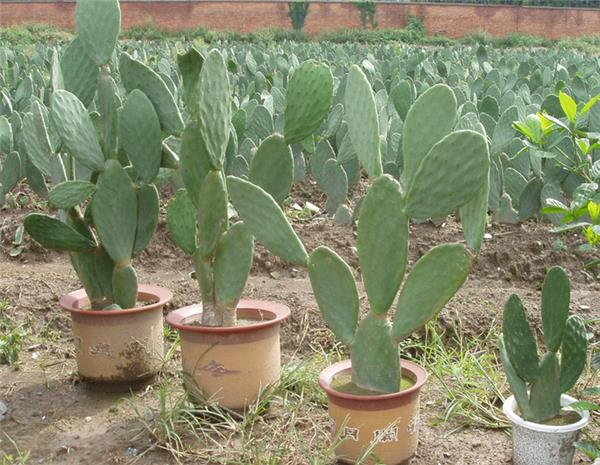
What are the uses of cactus
Cactus has many uses and makes a great contribution in the medicinal field. The whole plant is used as medicine (except the spines). It can be collected in all four seasons. It can be used fresh or sliced and dried in the sun. It has effects such as clearing heat and detoxifying, relaxing muscles and activating collaterals, dispersing blood stasis and reducing swelling, removing intestinal toxins, cooling blood and relieving pain, moistening the intestines and stopping bleeding, strengthening the stomach and relieving pain, and suppressing cough. It is used for gastric and duodenal ulcers, hemorrhoids, acute dysentery, and cough; externally it is used to treat mumps, mastitis, carbuncles and boils, external hemorrhoids, snake bites, and burns and scalds.
As a vegetable, it is also one of the uses of cactus. Cactus has traditionally been a food in the Americas and is an indispensable specialty vegetable and fruit in people's daily lives. People wash and chop cactus and cook it in soup, or roast it over a stove, or make it into pie filling, or directly pickle fresh cactus, and some even use cactus to brew alcohol (tequila). Edible cactus is known to be one of the vegetables with the highest content of vitamin B2 and soluble fiber, and cactus is high in potassium, low in sodium, and low in sugar, with a sugar content even lower than that of lettuce and cucumber.
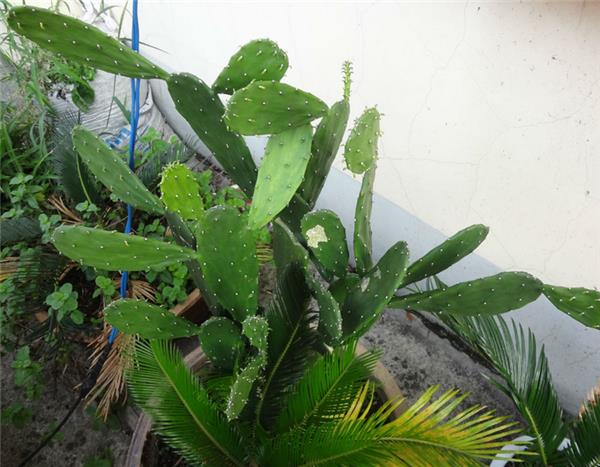
The simplest use of cactus is as an indoor green plant. Known as a nighttime "oxygen bar," cactus respiration mostly takes place at night when it is cooler and more humid. During respiration, it inhales carbon dioxide and releases oxygen. A master at absorbing dust. Do not underestimate cactus, it is also a master at absorbing dust! On antimony stars, placing a cactus indoors, especially a hydroponic cactus (because hydroponic cactus is cleaner and more environmentally friendly), can play a role in purifying the environment.
The uses of cactus also extend to many aspects such as beauty care and water storage. Use a knife to cut open the cactus and apply its juice to the face, then wash it off with water after 15 minutes, which has a whitening and moisturizing effect; the surface of cactus has a waxy layer, and the leaves have also evolved into needle shapes, reducing the external surface area and thereby reducing water transpiration; cactus contains toxic alkaloids, which after consumption can act on the central nervous system and cause various hallucinations. From the 1st to 7th century AD, it was an important plant used by local people in Peru to establish contact with the spirit world.
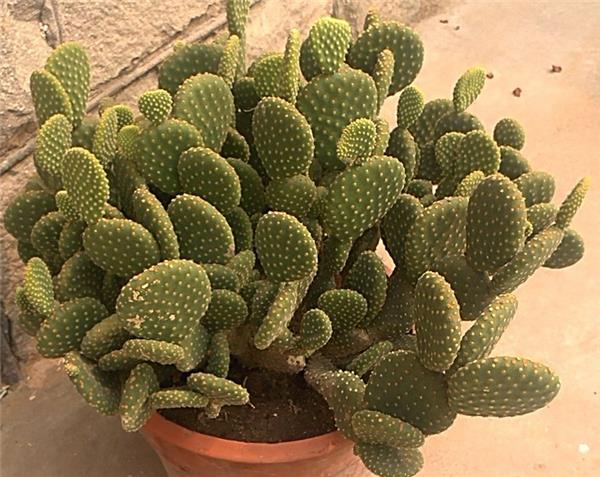
How to eat cactus
If edible cactus is rich in vitamin B1, B2, carotene, and trace elements such as calcium, magnesium, and iron, as well as multiple amino acids, it has effects such as clearing heat and detoxifying, discharging pus and promoting tissue regeneration, and promoting qi circulation and blood flow. At the same time, cactus contains more cellulose, and after consumption it can inhibit the absorption of cholesterol and fat, slow the body's uptake of glucose from the blood, and also supplement the crude fiber necessary for the human body. It is a new type of health vegetable.
The surface of edible cactus has a small number of short spines. Before eating, gently scrape off the soft spines and areoles on the surface with a kitchen knife. For older stem pads, use a fruit peeler to remove the skin on both sides, leaving the stem flesh, then soak it in 1% salt water or sugar water for 5-10 minutes, then rinse with clean water to remove some of the sour taste and improve the texture. The tender stems of edible cactus can be used as a dish and can be eaten fresh, pickled, or processed into other foods.
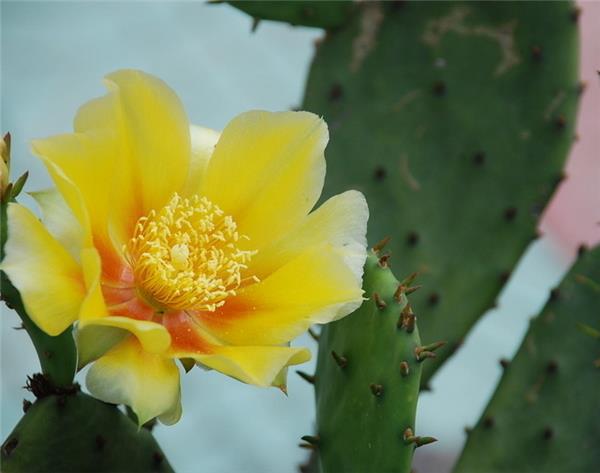
1. Make a cold dish: Cut cactus into the desired shape, blanch it in boiling water, and then mix it cold with a variety of foods. According to different tastes, add different seasonings, and it can be made into cold dishes with shredded carrot, vermicelli, jellyfish skin, and so on. It can also be made into salad with other vegetables and fruits.
2. Make cooked dishes: It can be cut into chunks, slices, shreds, strips, cubes, and other shapes, and can be pan-fried, stir-fried, deep-fried, or boiled. Examples include scrambled eggs with cactus, braised diced chicken, stir-fried shredded pork, stewed pork ribs, and stewed chicken soup. It can also be cut into small pieces and made into an appetizing soup with sweet corn, shrimp, and so on.
3. Pickled dishes: The whole stem pad can be placed into a pickling jar, or it can be cut into pieces before pickling. Made into pickles, the taste is very good.
4. Deep-fried (pan-fried) cactus: Sprinkle some dry starch and seasonings on cactus with the skin removed, then place the whole pad into an oil pot or frying pan and deep-fry or pan-fry until golden brown, for a unique flavor.
5. Process into other foods: Chop cactus and mix it with cornmeal, flour, and rice flour to make cactus cakes. Cactus can also be juiced to make a beverage, which is cool and thirst-quenching.