What are the functions and benefits of asparagus fern? Learn all about it in one article
Asparagus fern (Asparagus setaceus) is one of the houseplant potted flowers that many plant lovers adore, so the cultivation methods of asparagus fern and the home care and management methods for asparagus fern are also topics that plant lovers delight in discussing. Below, we will introduce the cultivation methods of asparagus fern and the home care and management methods for asparagus fern. To grow asparagus fern well, becoming familiar with its growth habits is also crucial. Asparagus fern originates from southern Africa. It likes warm, humid, semi-shaded environments. It is not cold-tolerant and not drought-tolerant. It likes fertile, loose, well-drained sandy loam. Asparagus fern likes shade and is mostly used for indoor desk display. Asparagus fern likes moisture and fears drought, and avoids excessive moisture and waterlogging. It has relatively strict requirements for soil and moisture, and mastering the appropriate pot soil moisture is a major key to the daily care of asparagus fern.
Asparagus fern has the meaning of "elegant bamboo". Although it is called "bamboo", asparagus fern is not bamboo. It is called asparagus fern because of its elegant posture, beautiful leaf shape, and stem nodes like bamboo. Since ancient times, asparagus fern has been deeply loved by people and has always been a common plant for indoor decoration.
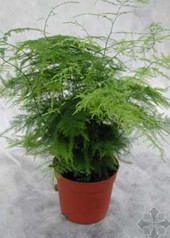
Methods/Steps
1. Asparagus fern likes a warm environment and grows best at around 20 degrees. In winter, the temperature should preferably be kept above 10 degrees. If the temperature is too low, frost damage may occur. When it is too cold in winter, some anti-freezing measures should be provided. In addition, the higher the air humidity, the better. In hot weather, water can often be sprayed around the plant on the ground, branches, and leaves to increase air humidity.
2. Do not expose it to direct sunlight. Asparagus fern likes a semi-shaded environment and is best placed indoors with diffused light. Except in winter, it should not be placed in direct sunlight in the other seasons, especially in summer, because the sunlight is relatively harsh and will scorch the branches and leaves. Generally speaking, in spring, summer, and autumn, if it is to be placed in sunlight, 60 percent shading should be provided.
3. The soil should be loose and fertile. Asparagus fern has relatively high requirements for drainage. It is best to choose loose, well-drained soil such as humus soil and peat soil rich in humus. A little base fertilizer can be added to the soil, which will help the plant grow.
4. Watering should follow the principle of "water thoroughly when dry." Each watering should be thorough, and half-watering should not be done, so that the roots and stems do not fail to absorb water and die. The amount of watering should not be too much or too little and should be reasonably controlled. When the pot soil is slightly dry, water it promptly. In winter, due to the weather, the amount of watering should be reduced to avoid freezing the roots and stems. Water can be sprayed on the leaves.
5. Fertilize once every half month. During the growing season, fertilize once every half month. Liquid fertilizer can be applied together with watering, but during the dormant periods of high summer temperatures and low winter temperatures, fertilization should be stopped. After the plant takes shape, the amount of fertilization should also be reduced to avoid excessive growth of the plant and affecting the beauty of the plant shape.
If there is pollution in home decoration, the adverse effects on health include: long-term colds, skin allergies, hair loss, chronic pharyngitis, etc. Severe pollution can even cause leukemia in children, decreased immunity in the elderly, unexplained miscarriage in pregnant women, unexplained death of pets, etc.
Environmentally friendly decoration has become an important issue that cannot be avoided in the decoration process. At present, the status quo of home decoration environmental protection is not optimistic. Many newly decorated houses have varying degrees of pollution. When a decoration company is hired for decoration, its promise of "environmental quality" is limited to the part they do. After later-stage kitchen cabinets, laminate flooring, non-solid wood furniture, and other "major pollution sources" formally enter the home, whether "environmental quality" meets the standard can be imagined. And the "environmental quality" of those "roadside guerrilla" decorators is even more frightening.
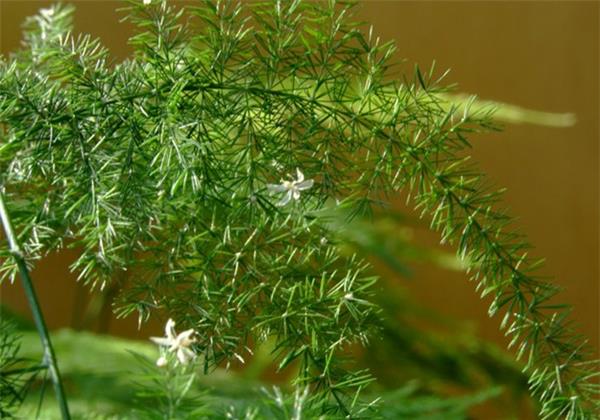
What should be done to achieve truly environmentally friendly home decoration? Designers should make an "environmental design overall plan" for the materials used in the entire decoration process, and should not blindly make the order larger. Decoration companies should put forward the concept of "environmental overall planning design" to designers.
Relevant data shows that in houses with relatively good conditions in terms of ventilation and lighting, within 100 sq m of usable space, E1-grade boards, on the basis of sealed production, should not exceed 70 sheets, (including furniture and laminate flooring purchased by the owner); E2-grade boards, on the basis of sealed production, should not exceed 50 sheets, (including furniture and laminate flooring purchased by the owner); boards that do not reach E2 grade should never be used, because the formaldehyde emission limit value of E1-grade boards is less than 1.5mg/L, and the formaldehyde emission limit value of E2-grade boards is less than 5mg/L. That is to say, using one sheet of E2-grade board is equivalent to using several or even more than ten sheets of E1-grade board, so using one sheet of substandard E2-grade board is also equivalent to using several sheets of substandard E1-grade board. A house decorated with substandard boards is basically a "poison hole," which is very harmful to the health of residents.
If a renovation owner wants to test the environmental protection situation of their home decoration, they can place asparagus fern in different positions in the home. Its vitality is the most fragile among plants. If the asparagus fern grows healthily, it indicates that the home decoration is not polluted. If the asparagus fern withers, it indicates that the home decoration is polluted. Different degrees of withering indicate different degrees of pollution.
Renovation diary