How to Grow Cacti? A Detailed Guide to Cultivation Methods
Cacti can block dust and purify the environment, and they are easy to grow, which makes them very popular. However, we also need to pay extra attention when growing them, so that cacti can grow better. Let's take a look at how to grow cacti below!
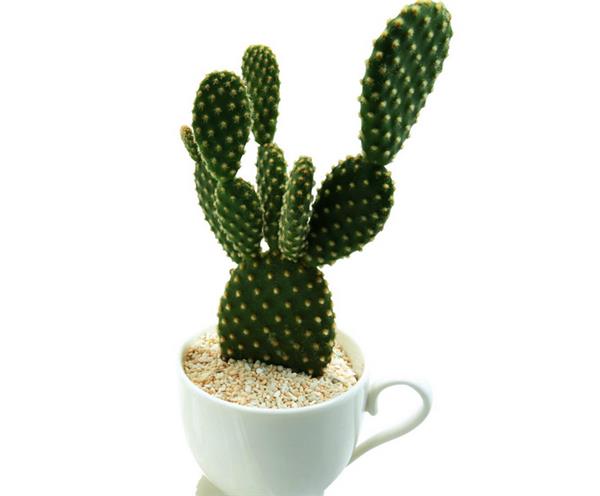
How to Grow Cacti
I. Environmental Conditions
The natural growing conditions of cacti are mostly quite harsh, but to achieve high yields when cultivating cacti, you also need to pay corresponding attention to their requirements for temperature, water, light, ventilation, soil and other conditions.
1. Temperature Requirements
Temperature is a limiting factor for the natural distribution of cacti. Their growth requires 15-40°C, with 20-30°C being the optimal range. In northern regions, protected cultivation methods such as covering with plastic film can be used to ensure healthy growth.
2. Requirements for Water, Light, Ventilation and Soil
Cacti are drought-tolerant and afraid of waterlogging. Therefore, on the one hand, care should be taken to ensure the soil is loose and well-aerated; on the other hand, when watering, water thoroughly (so it soaks into the soil) rather than causing waterlogging. Cacti are highly adaptable to soil and can be grown in black chernozem, red loam, loess and so on.
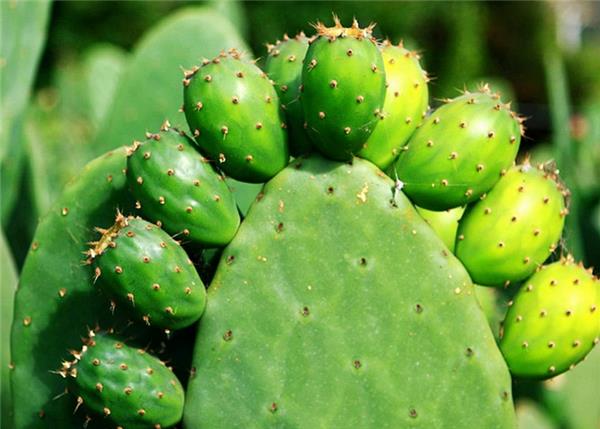
II. Potted Management
The journey of cacti from the wild to being widely moved indoors for cultivation reflects a trend among urban residents in choosing potted flower varieties. Because apartment space is limited and the air is relatively dry, large or delicate potted flowers often do not grow well, so it is most suitable to choose varieties that are small, drought-tolerant, easy to manage and yet highly ornamental. Cacti happen to meet all these requirements.
For indoor potted cacti, it is advisable to choose small, globe-shaped types with abundant flowers. During cultivation, do not assume that because these plants are drought-tolerant you can neglect normal watering and fertilizing. For indoor cultivation, you can use wire and plastic film on a windowsill to create a sealed space with high temperature and high humidity; under such conditions, most cacti not only grow quickly but also develop a crystalline luster.
The potting soil should be well-drained and well-aerated sandy soil or sandy loam containing lime. Newly planted cacti should not be watered at first; simply mist them several times a day. Only after half a month can a small amount of water be given, and only after one month, when new roots have grown, can normal watering begin. In winter, when temperatures are low and the plants enter dormancy, watering should be restricted. After spring begins, as temperatures rise, the plants gradually come out of dormancy and watering can be gradually increased. Apply a dilute, fully fermented liquid fertilizer once every 10 days to half a month; do not fertilize in winter.
Under ordinary residential conditions, by making full use of space, it is not difficult to grow dozens of pots of various cacti and set up a small "cactus garden." At the turn of spring and summer, when the assorted cacti on the windowsill burst into a dazzling array of flowers, resting under such conditions after work can not only relieve fatigue but also be a way to enjoy the beauty of nature.
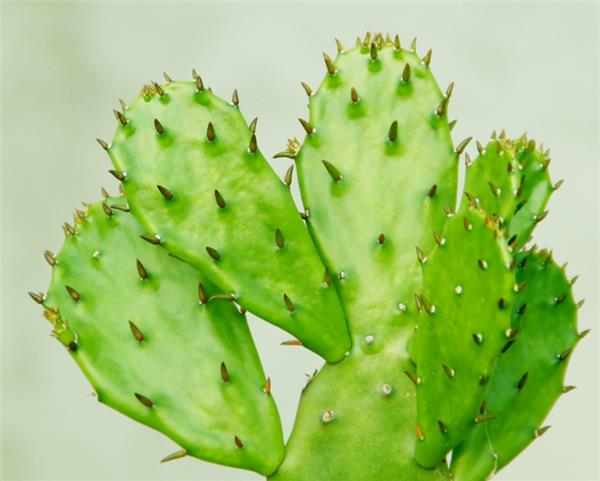
III. Care and Management
1. Fertilizing
There are two ways to fertilize cacti, namely base fertilizer and top dressing. Base fertilizer is applied into the soil during land preparation. Top dressing is applied in stages: one is the seedling-strengthening fertilizer, applied when the buds on the planting pads have grown to about 6 cm; the other is the post-harvest fertilizer, applied after harvest to promote continued budding of the cacti. Do not apply any fertilizer during the dormant period.
2. Watering
After cacti are first planted, they should not be watered; wait until they have taken root and sprouted before watering, and water thoroughly each time. Normally, do not water too much, and avoid waterlogging in the planting area. Generally, when the soil below 15 cm has dried enough that a handful of soil cannot be squeezed into a ball, water should be replenished promptly.
3. Weeding
Weed frequently to prevent weeds from competing with the plants for water and nutrients; it also helps loosen the soil and improve aeration.
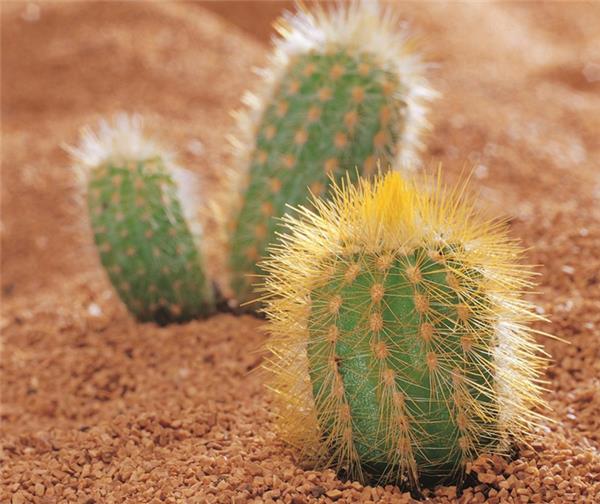
4. Harvesting
(1) Harvesting of vegetable pads: The best time to harvest vegetable pads is within one month after budding, when there are no obvious wounds or disease spots and the areoles on the second or third segment have dropped off. The older the stem pads, the higher the acidity; harvesting too early will affect yield and quality.
(2) Harvesting of planting pads: For use as planting pads, the growth period should reach more than 3-4 months, with all areoles on the stem pads shed, and the pads plump, robust and free of wounds and disease spots. After harvesting, dry them in a shady, cool place for 3-5 days until the wounds are slightly dry, or soak the cut surfaces in Bordeaux mixture, and then they can be planted or sold.
5. Earthing Up
During the growth and development of cacti, as the weight of the aboveground part increases, soil should be earthed up promptly to prevent the plants from lodging.